Where to Start Decluttering When You Have Too Much Stuff
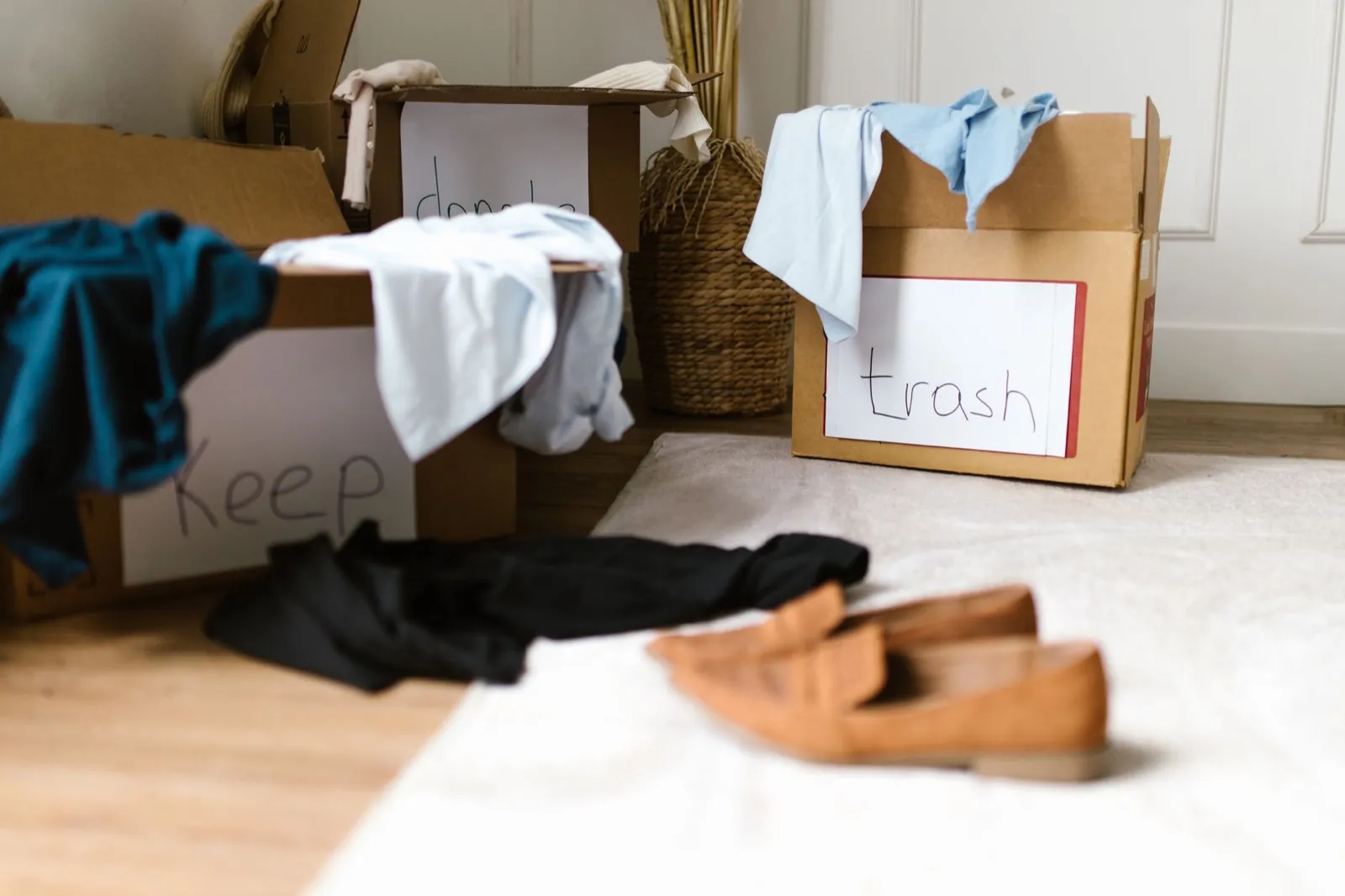
Image Credit: Pexels / RDNE Stock project
When you have too much stuff, start with the area that will make today easier, not the area that looks worst. Clear a safe path, the sink, a chair, your bed or the place where you prepare food. Then choose one tiny category within that area. Beginning with a whole room creates a project with no clear edge; beginning with one drawer creates a task you can finish.
Feeling stuck does not mean you are lazy or incapable. A full home can represent postponed decisions, changing circumstances, illness, grief, children growing, a move, limited storage or simply a busy life. You do not have to explain every item before you are allowed to begin. You only need a starting point that asks a manageable number of questions.
Choose the problem you want to solve first
Look around and ask: what is making ordinary life harder this week? It might be not finding clean clothes, having nowhere to put a meal down, tripping over bags, missing post or being unable to open a cupboard. Pick one answer.
The best first area is often functional rather than photogenic. A clear bedside table can make sleep easier. A working kitchen counter can make lunch possible. A basket for post can stop papers spreading. You are not choosing the most impressive transformation; you are choosing the next useful improvement.
If there are hazards such as blocked exits, spoiled food, pests, sharp objects or unstable piles, address those carefully first. Do not lift heavy bags alone or put yourself at risk to make fast progress.
Use the easiest-first sequence
Start with decisions that require the least reflection. Move through the following sequence only for the area in front of you:
- Collect obvious rubbish and recycling.
- Put dirty laundry together and dishes in the kitchen.
- Return items that have an obvious home.
- Group similar items, such as pens, toiletries or charging cables.
- Decide what to keep, pass on, recycle or review later.
This sequence prevents every object from becoming a big question immediately. It also gives you visible space in which to make the later decisions. Keep a rubbish bag, recycling bag, donation bag and “later” box close by so you do not keep walking away from the task.
Start with one category, not your identity
People often begin with books, photographs or clothes because they feel personal. These can be difficult first categories. Try expired toiletries, empty boxes, old receipts, chipped mugs, duplicate utensils or clothes that are clearly damaged beyond repair instead.
Give yourself a small number: five items, one shelf or fifteen minutes. If you finish and still feel steady, choose another small round. If you do not, stop. Stopping while the task still feels possible makes returning more likely than pushing until you resent it.
Create a temporary sorting station
You need enough room to see what you are deciding about, not a perfectly clear floor. A table, made bed or cleared patch of carpet can work. Label four containers: keep, elsewhere, leave home and not today.
The “not today” container is important. It is not a secret route for avoiding every decision. It is a boundary for objects that involve paperwork, another person, money, grief or uncertainty. Write a review date on it. Until then, you can continue with decisions that are clearer.
Avoid putting everything from multiple rooms into one giant sorting pile. Mixed piles multiply the mental work. Finish or contain one area before opening another.
Make fast decisions safer
For an ordinary household item, use a short set of questions: would I notice if this disappeared? Do I have another one that does the same job? Does it work? Would I choose to bring it into my home today? Is there a named person or use for it in the next few months?
You do not have to justify keeping useful or loved belongings. The questions are there to loosen the grip of “just in case” when that phrase is applying to everything. If an item is expensive, potentially valuable or legally important, place it in a research tray rather than making a rushed choice.
Keep papers until you have checked whether they are needed. Store important documents together and shred personal information before disposal when appropriate. Financial, tenancy, immigration, legal and medical papers can have different retention needs, so seek relevant advice rather than relying on a generic decluttering rule.
Let things leave in a responsible way
Decide the route at the same time as the item. Usable donations need an organisation that accepts them. Friends need to say yes before you save a bag for them. Recycle Now and your council can help identify recycling routes. Never put electrical items in a normal bin; use a suitable collection or recycling point. Check recalls before selling, donating or using an electrical product.
Make donation practical: keep the bag by the door, put a date in your calendar or arrange collection if it is available. If leaving the house is difficult, aim first to contain the outgoing items safely. A bag ready to go is a completed step, not a moral obligation.
Work with your capacity
Decluttering can be physically and emotionally tiring. Sit for sorting, use a timer, drink water and take a break before you reach the point of exhaustion. If you have pain, fatigue, mobility needs or a health condition, choose lighter categories and ask for help with lifting, carrying and disposal.
Body doubling can be useful: a friend can sit quietly, join a video call or help you keep the task small. Be clear whether you want company, practical lifting or help deciding. No one should pressure you to discard possessions you are not ready to let go of.
What to do when you cannot start
Make the first action smaller than you think it needs to be. Put one bag in the room. Pick up five pieces of rubbish. Clear only the space needed to open the curtains. Then decide whether to continue. NHS advice on tackling a to-do list recommends breaking tasks down and focusing on manageable steps; that principle is useful when clutter is making the task feel endless.
If shame is stopping you from inviting help, start with a person who can be kind and practical. You can say, “I do not need comments about the mess. I need help filling one donation bag.” The right support makes the job less isolating.
Frequently asked questions
Should I declutter room by room or category by category?
Use whichever keeps the task contained. One drawer or one shelf is often easier than a whole category spread through the house. A category can work later when you know where its items are stored.
What if I have no storage?
Reduce what is clearly unused first, then reserve the available storage for items you use regularly. Prioritise safe walkways, food preparation, sleep and hygiene over making every room look tidy.
What if everything feels important?
Begin with rubbish, expired items and obvious duplicates. Use a review box for the rest. It may take time to understand what you need, and that is allowed.
When to get professional advice
Talk to a GP or mental-health professional if the amount of possessions is causing significant distress, preventing rooms being used as intended, creating risks, or making everyday care difficult. The NHS explains that hoarding disorder can need compassionate specialist support. Seek emergency help through 999 or A&E if there is immediate danger.
Related reading
- How to Declutter Your Home Without Getting Overwhelmed
- Things to Get Rid of When Decluttering Your Home
- How to Organise Your Life When Everything Feels Chaotic