Yoga during pregnancy
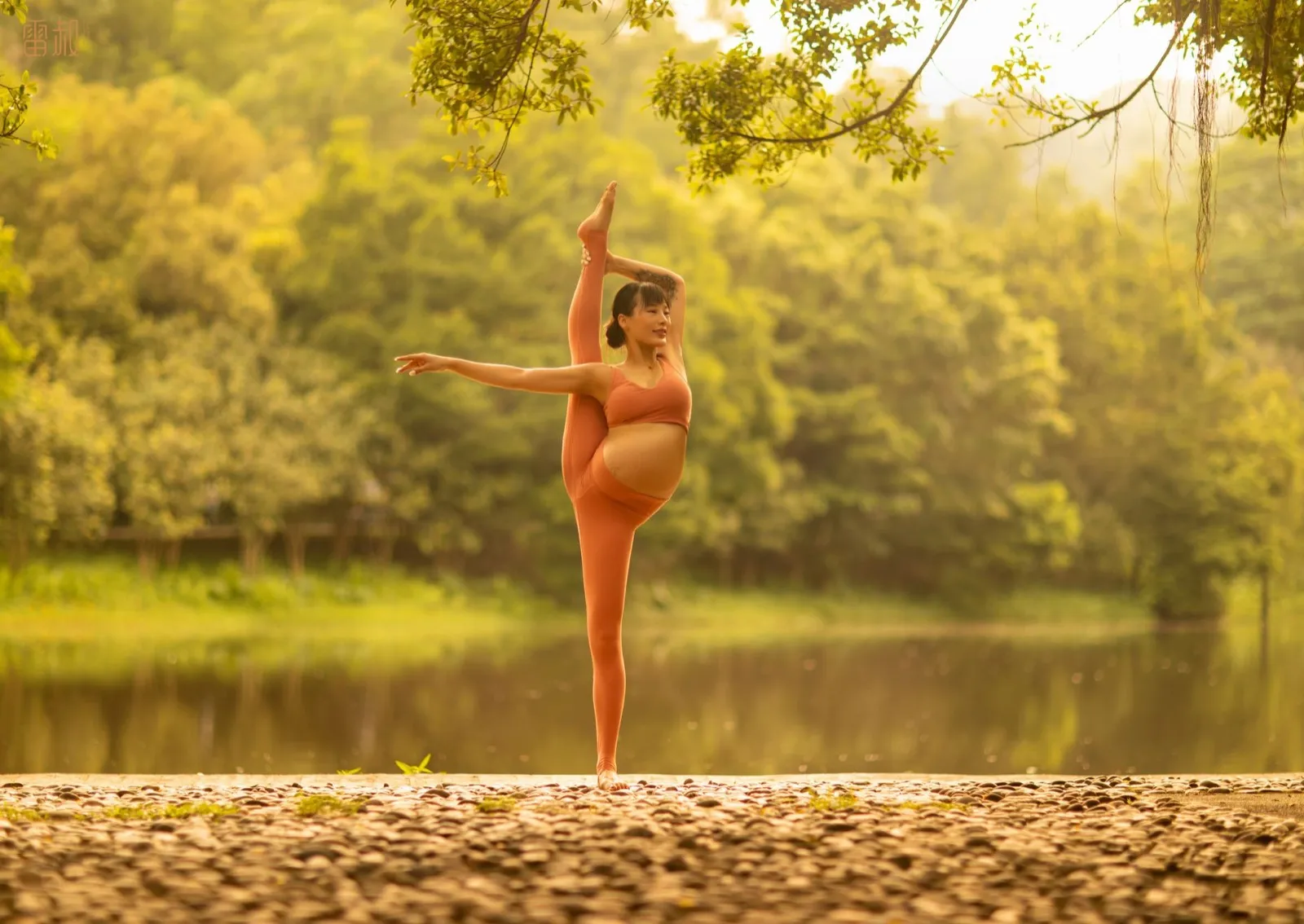
Image Credit: Pexels / RAY LEI
Yoga can be a gentle way to stay active during pregnancy, and many people can continue practising it if their pregnancy is uncomplicated. Pregnancy yoga usually combines adapted postures with breathing and relaxation, with movements adjusted as your body changes.
You do not need to have practised yoga before becoming pregnant. If you are new to it, choosing a class designed specifically for pregnancy can help you start gently. If yoga was already part of your routine, you may be able to continue, but some poses and styles need adapting or avoiding.
How yoga feels can change throughout pregnancy. Your comfort, balance and energy matter more than keeping up with a previous routine or achieving a particular pose.
Is yoga safe during pregnancy?
Yoga is one of the types of physical activity that can be suitable during an uncomplicated pregnancy. Tommy’s advises that people who already practise yoga can generally continue, while making appropriate adjustments.
If you are starting for the first time, a pregnancy-specific class is a sensible option. Tell the instructor that you are pregnant and, if relevant, that you are new to yoga.
Pregnancy is not the time to push towards more advanced poses or test how far you can stretch. Tommy’s recommends sticking to movements that feel comfortable and focusing on technique rather than progression.
If you have a medical condition, pregnancy complication, previous pregnancy problem or any uncertainty about exercising, speak to your midwife or doctor for individual advice.
What is pregnancy yoga?
Pregnancy yoga, sometimes called prenatal yoga, uses yoga postures and breathing exercises adapted for pregnancy.
Classes may include gentle movement, strength work, stretching, breathing and relaxation. The exact format varies between teachers, so it is worth checking that the instructor has experience of teaching pregnant people.
A pregnancy-specific class can also make adaptations easier. As your bump grows and your balance changes, some positions that once felt straightforward may become awkward or uncomfortable.
You do not have to attend a class if you prefer practising at home, but online sessions should still be designed for pregnancy and led by an appropriately qualified instructor.
Can you start yoga while pregnant?
You can start yoga during pregnancy even if you did not practise it before, but begin gently.
Tommy’s recommends looking for a pregnancy yoga class if you are new to yoga and telling the instructor about your experience level. A teacher who works with pregnant people should be able to suggest suitable modifications.
Avoid treating pregnancy as a time to begin difficult or advanced yoga practice. Gentle, controlled movement is a more appropriate starting point.
If you have not exercised for some time or have a health condition, discuss starting exercise with your GP, midwife or maternity team first.
If you already practised yoga before pregnancy
Finding out you are pregnant does not automatically mean giving up yoga.
If your pregnancy is uncomplicated and you feel well, you may be able to continue your existing practice with adjustments. Tell your teacher that you are pregnant, even in the early stages, so they can suggest appropriate alternatives.
Your usual practice may change as pregnancy progresses. Poses involving balance may feel different because your centre of gravity changes, and you may prefer using a wall, chair or other support.
Tommy’s also advises avoiding new or advanced poses during pregnancy. This is a time to adapt your practice rather than chase flexibility or performance.
Yoga positions and practices to avoid
Some aspects of yoga need particular care during pregnancy.
The NHS advises avoiding exercise that involves lying flat on your back for long periods, particularly after 16 weeks of pregnancy. The weight of the bump can press on a major blood vessel and may make you feel faint.
Tommy’s also advises avoiding jumping in and out of poses, holding your breath and pushing into stretches. Move slowly and keep breathing normally.
Your balance can change as pregnancy progresses, so use support where needed and avoid movements that make you feel unstable.
If a pose hurts or makes you feel dizzy, uncomfortable or unusually breathless, stop rather than trying to complete it.
What about hot yoga?
Hot yoga, including Bikram-style classes, is not recommended during pregnancy.
Both NHS and Tommy’s guidance advises avoiding strenuous exercise in very hot conditions, and Tommy’s specifically recommends avoiding yoga styles that involve heat.
If you usually attend heated classes, look for an unheated pregnancy yoga class or ask your instructor about a suitable alternative.
Staying hydrated and avoiding overheating are also part of general pregnancy exercise guidance.
How hard should pregnancy yoga feel?
Pregnancy exercise should not leave you struggling to speak.
The NHS recommends using the conversation test during physical activity. You should be able to hold a conversation while exercising. If you become breathless when you talk, reduce the intensity.
Yoga does not have to feel demanding to be worthwhile. A slower practice may suit you better as your pregnancy changes.
There may also be days when you prefer a shorter session or decide not to practise. Pregnancy symptoms and energy levels can vary, and adapting your routine is reasonable.
Stretching during pregnancy
Yoga can involve considerable stretching, but pregnancy is not the time to force yourself further into a pose.
Tommy’s advises taking care not to overstretch or push yourself too hard. Controlled, comfortable movement is a better guide than trying to recreate the depth of a pose you could manage before pregnancy.
If a stretch feels painful or unstable, come out of it.
An experienced pregnancy yoga instructor can help you modify poses so that you can continue participating without feeling pressure to match anyone else’s range of movement.
Choosing a pregnancy yoga class
Look for an instructor who is qualified and experienced in teaching pregnant people.
Tell the instructor that you are pregnant before the session starts. If you have any pain, mobility difficulties or advice from your maternity team that affects exercise, let the instructor know so they can suggest appropriate alternatives.
A good pregnancy class should make room for different bodies, experience levels and stages of pregnancy. You should not feel expected to perform every pose.
If a teacher cannot confidently adapt the class for pregnancy, consider finding someone with specific pregnancy experience.
Yoga and pelvic girdle pain
If you develop pelvic girdle pain, some yoga positions may not feel comfortable and may aggravate symptoms.
Tommy’s notes that movements involving taking the legs far apart may not be suitable for someone experiencing pelvic girdle pain. Rather than trying to work through pain, speak to your midwife, GP or maternity physiotherapist about what movement is appropriate for you.
A pregnancy yoga teacher should also be told about any pain so that they can avoid unsuitable positions.
When to get professional advice
Speak to your midwife, GP or maternity team before exercising if you have a medical condition, pregnancy complication, a history that may affect exercise, or concerns about whether yoga is suitable for you.
Stop practising if you feel unwell, develop pain, feel dizzy, become unusually breathless or experience symptoms that concern you. Seek advice from your maternity team rather than assuming a symptom is simply part of exercise.
Vaginal bleeding during pregnancy needs medical advice. If you experience bleeding or another urgent pregnancy concern, contact your maternity unit or the healthcare service you have been advised to use.
NHS 111 can help with urgent medical concerns when you are unsure where to seek care. Call 999 for a life-threatening emergency.