Acne Skincare Guide: Causes, Treatments and a Simple Routine
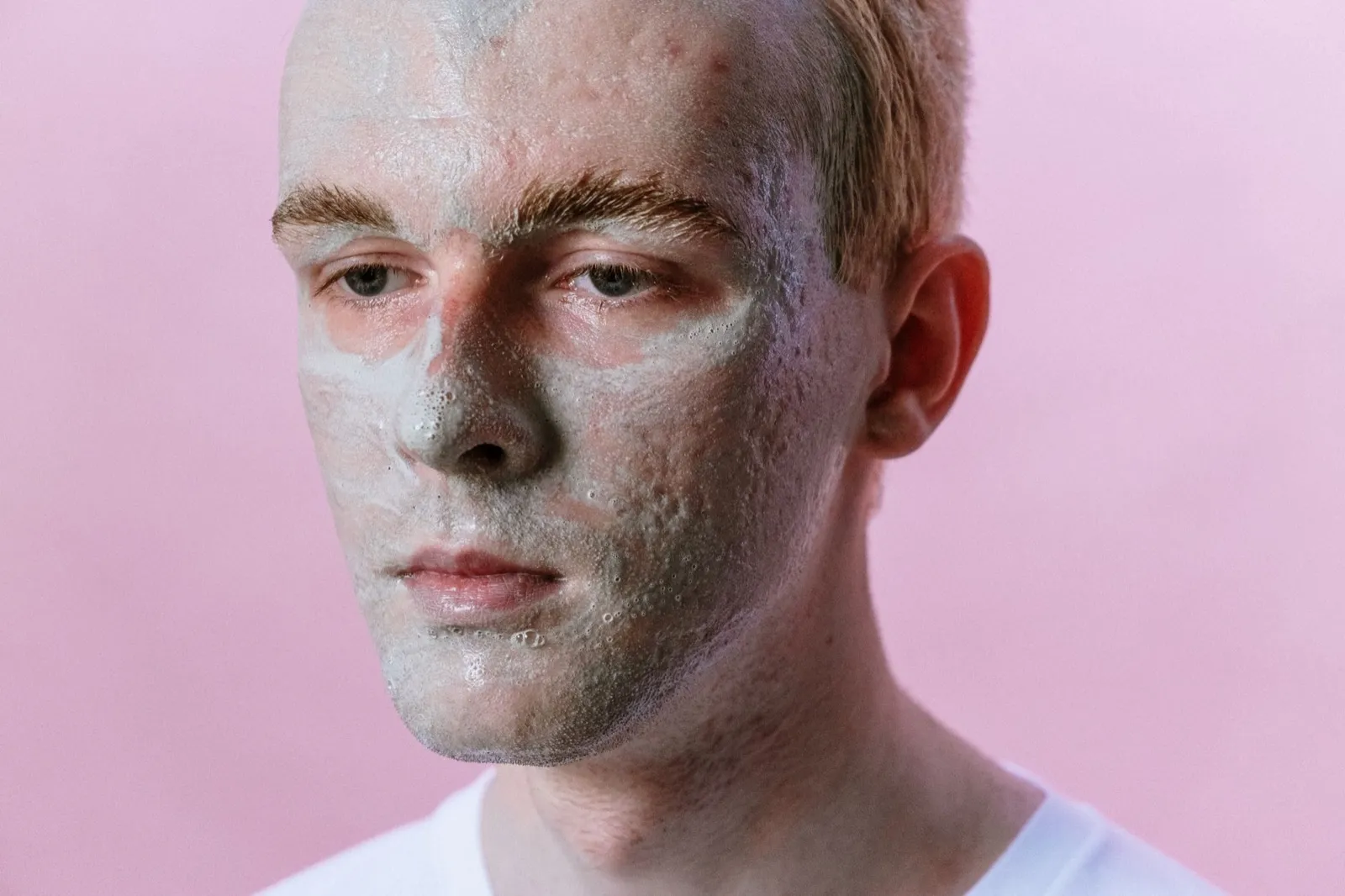
Image Credit: Pexels / cottonbro studio
A helpful acne skincare routine usually includes a gentle cleanser, a suitable acne treatment, a lightweight moisturiser and sunscreen. Ingredients such as benzoyl peroxide, salicylic acid, azelaic acid and topical retinoids may help, but the right choice depends on the type and severity of your acne.
Acne is not caused by having dirty skin, and scrubbing harder will not clear it faster. Gentle, consistent treatment is more useful than changing products every few days.
Mild acne can often be discussed with a pharmacist. Speak to a GP if your acne is moderate or severe, painful, causing scars or affecting your mental health. Acne treatments can take several weeks or months to produce a noticeable improvement.
This article provides general information and does not replace individual medical advice. Some acne treatments are unsuitable during pregnancy, while breastfeeding or alongside certain medicines.
What is acne?
Acne is a common skin condition that can cause:
- Blackheads
- Whiteheads
- Red bumps
- Pus-filled spots
- Deep painful lumps
- Cysts
- Oily skin
- Post-blemish marks
- Scarring
It most often affects areas with many oil-producing glands, including the face, chest, upper back, shoulders and neck. You can have more than one type of acne spot at the same time.
Acne is especially common during adolescence and early adulthood, but it can begin or continue at any age.
What causes acne?
Acne develops when hair follicles become blocked by oil and dead skin cells. Sebum helps protect the skin, but excess oil can combine with dead cells and block the follicle. Bacteria that normally live on the skin can then contribute to inflammation.
Several factors may influence this process.
Hormonal changes
Hormonal changes can increase sebum production. Acne may become more noticeable during puberty, menstrual cycles, pregnancy, perimenopause or other times of hormonal change.
Sudden acne alongside irregular periods, increased facial or body hair or other hormonal symptoms may need assessment by a GP.
Genetics
Acne can run in families. Having a parent or sibling who experienced significant acne may increase your likelihood of developing it.
Cosmetics and skincare
Some heavy or oily products may contribute to clogged pores in people who are prone to acne. Look for descriptions such as non-comedogenic, oil-free, non-acnegenic or suitable for acne-prone skin.
These labels can be useful, but they do not guarantee that a product will suit everyone. Irritating skincare may also make spots look redder and make treatment harder to tolerate.
Hair products
Conditioner, styling creams, oils and pomades can transfer onto the forehead, temples, neck and back. If spots appear mainly around the hairline, keep hair products away from the face and rinse conditioner thoroughly.
Friction and pressure
Helmets, tight collars, face coverings, sports equipment and repeatedly touching the skin may contribute to irritation and breakouts. Clean equipment that rests against your skin and avoid rubbing spots.
Medicines and stress
Some medicines may cause or worsen acne-like breakouts. Do not stop prescribed medication without medical advice.
Stress does not necessarily create acne on its own, but it may make existing acne worse for some people and can affect sleep, picking habits and routine consistency.
What does not cause acne?
Acne is not simply caused by poor hygiene. Washing repeatedly, using strong soap or scrubbing until your skin feels tight will not remove acne from beneath the skin. It may cause irritation and make treatment more difficult to tolerate.
Acne is not evidence that someone is lazy, unhealthy or failing to care for themselves.
Types of acne spots
Blackheads
Blackheads are open blocked follicles. Their dark colour is caused by material inside the pore reacting with air, not trapped dirt. Salicylic acid and topical retinoids may help prevent and clear this congestion.
Whiteheads
Whiteheads are closed blocked follicles that form small bumps beneath the skin’s surface. They should not be squeezed because pressure may cause inflammation or damage.
Papules and pustules
Papules are small, raised, inflamed bumps without a visible head. Pustules are inflamed spots containing visible pus. Picking either can increase inflammation and the risk of marks or scars.
Nodules and cysts
Nodules are large, firm and painful lumps deeper within the skin. Cysts are deep, painful, pus-filled lesions. Both have a greater risk of scarring and should be assessed by a GP or dermatologist.
Mild, moderate and severe acne
Acne severity is not based only on the number of spots. Type, distribution, pain, scarring and emotional impact also matter.
Broadly:
- Mild acne is mostly blackheads and whiteheads with a few inflamed spots
- Moderate acne is more widespread blackheads, whiteheads, papules and pustules
- Severe acne includes many large, painful spots, nodules or cysts, sometimes with scarring
A pharmacist can advise about mild acne. Moderate or severe acne should be discussed with a GP.
A simple skincare routine for acne
Acne-prone skin does not need a ten-step routine. Start with four basic steps:
- Gentle cleanser
- One suitable acne treatment
- Lightweight moisturiser
- Broad-spectrum sunscreen in the morning
Introduce treatments gradually. Changing several products at once makes it difficult to identify what helps or causes irritation.
Morning acne routine
Step 1. Cleanse gently
Wash your face with a mild cleanser and lukewarm water. Use your fingertips rather than a rough cloth, scrub or cleansing brush. Washing twice daily and after heavy sweating is usually enough.
Choose a cleanser that removes oil and residue without leaving your skin painful or tight.
Step 2. Apply your treatment
Your morning treatment might include benzoyl peroxide, azelaic acid, salicylic acid or a prescribed topical treatment. Follow the product instructions or advice from your pharmacist or prescriber.
Do not layer every acne ingredient together.
Step 3. Moisturise
Apply a lightweight moisturiser. Look for non-comedogenic, oil-free, fragrance-free, gel cream, lightweight lotion or suitable-for-acne-prone-skin descriptions.
Acne treatments can cause dryness. Moisturiser may help your skin tolerate them more comfortably.
Step 4. Apply sunscreen
Finish with broad-spectrum sunscreen offering at least SPF 30 and strong UVA protection. Choose a non-comedogenic fluid, gel or lightweight lotion if rich sunscreens feel uncomfortable.
Evening acne routine
Step 1. Remove makeup and sunscreen
Use micellar water, cleansing oil or cleansing balm if your ordinary cleanser does not remove everything. Choose a non-comedogenic product and avoid rubbing inflamed spots.
Step 2. Cleanse
Follow with a gentle facial cleanser. Pat your skin dry rather than rubbing it with a towel.
Step 3. Apply your acne treatment
Depending on your treatment plan, this may include benzoyl peroxide, adapalene or another topical retinoid, salicylic acid, azelaic acid or a prescribed combination treatment.
Apply a thin layer according to the directions. Some products are intended for the full acne-prone area rather than individual visible spots.
Step 4. Moisturise
Apply moisturiser after treatment unless you have been told to use a different order. If a topical retinoid causes irritation, moisturiser before and after it may help, but follow the medicine instructions.
Skincare ingredients that may help acne
Benzoyl peroxide
Benzoyl peroxide is a common treatment for mild to moderate acne. It works as an antiseptic, reducing acne-associated bacteria, and may reduce inflammation and blocked follicles.
It is available in cleansers, gels, creams and combination prescription treatments. Possible side effects include dryness, peeling, redness, stinging, burning and irritation.
Benzoyl peroxide can bleach hair, towels, pillowcases and clothing. Wash your hands after applying it and use pale fabrics cautiously. Do not apply it to broken or sunburnt skin.
Salicylic acid
Salicylic acid is a beta hydroxy acid that can help clear clogged pores and exfoliate the skin. It may be useful for blackheads, whiteheads, oily skin, mild spots and surface congestion.
It is available in cleansers and leave-on products. Possible side effects include dryness, flaking and irritation.
Start with one salicylic acid product rather than using it in your cleanser, toner and serum at the same time.
Azelaic acid
Azelaic acid may help with mild to moderate acne, inflamed spots, clogged pores, redness and post-blemish pigmentation.
Possible side effects include tingling, mild burning, dryness, itching and redness. It can be a useful alternative when benzoyl peroxide or topical retinoids are unsuitable or difficult to tolerate.
Topical retinoids
Topical retinoids include adapalene and tretinoin. They help prevent follicles becoming blocked and may reduce blackheads, whiteheads and inflamed spots.
Possible side effects include dryness, peeling, redness, stinging and increased sensitivity. Begin according to your pharmacist’s or prescriber’s instructions. Applying more will not clear acne faster.
Topical retinoids must not be used during pregnancy or while planning a pregnancy. Cosmetic retinol is related to prescription retinoids, but it should not be treated as a direct replacement for proven acne medicine.
Topical and oral antibiotics
Topical antibiotics may be prescribed for inflammatory acne and are commonly combined with another treatment, such as benzoyl peroxide, rather than used alone. Use them for the prescribed length of time.
A GP may prescribe oral antibiotics for moderate to severe inflammatory acne. They are generally combined with a topical non-antibiotic treatment, and some are unsuitable during pregnancy.
Hormonal treatments
Some women may be offered hormonal treatment, such as a suitable combined oral contraceptive, when hormones contribute to acne. This is not appropriate for everyone, so a GP will consider medical history and other medicines.
Oral isotretinoin
Oral isotretinoin is a specialist medicine for severe acne or acne at serious risk of permanent scarring when other treatments have not worked. It is not the same as cosmetic retinol.
Isotretinoin can cause significant side effects and requires specialist supervision, monitoring and strict pregnancy prevention. Never buy or take it without appropriate medical care.
How long does acne treatment take to work?
You may need several weeks before noticing an improvement, and fuller results can take two to three months or longer.
Do not change products after a few days unless you develop a significant reaction. Use treatment as directed, including on days when your skin looks clearer. Stopping as soon as the first spots settle may allow acne to return.
Does acne get worse before it gets better?
Some treatments, particularly topical retinoids, may initially cause irritation or a temporary increase in visible spots. However, not every worsening breakout is a useful adjustment.
The product may instead be irritating your skin, too strong, used too frequently, combined with too many active ingredients, causing contact dermatitis, unsuitable for your skin or unrelated to the acne flare.
Painful burning, significant swelling, blistering or a widespread itchy rash is not purging. Stop the product and seek advice if you are concerned.
Moisturiser and sunscreen for acne-prone skin
Moisturiser does not automatically cause acne. A suitable product can reduce dryness from acne treatments and support the skin barrier.
Choose a product described as non-comedogenic, oil-free, fragrance-free, lightweight, suitable for sensitive skin or suitable for acne-prone skin. Useful ingredients may include glycerin, ceramides, hyaluronic acid, niacinamide, squalane and dimethicone.
Sunscreen will not treat acne directly, but it can help prevent marks becoming more persistent and protect skin made sensitive by treatment. Look for oil-free, non-comedogenic, lightweight fluid, gel, matte or fragrance-free descriptions.
Makeup and acne patches
You can wear makeup if you have acne. Choose non-comedogenic or oil-free products and remove them gently before bed.
Wash brushes and reusable sponges regularly. Do not share makeup or applicators, and avoid applying makeup over open, weeping skin.
Hydrocolloid patches may protect small surface spots from touching and picking. They are less helpful for blackheads, deep nodules, cysts or large areas of acne. Apply them to clean, dry skin and follow the instructions.
Should you squeeze spots?
It is best not to squeeze, pick or scratch acne. Picking can push inflammation deeper, damage surrounding skin, delay healing, increase post-blemish marks and increase the risk of scars.
Can diet, water, toothpaste or sunlight clear acne?
The relationship between food and acne is not identical for everyone. Some research has explored high-glycaemic diets or dairy, but diet is not the only cause. Do not remove major food groups without a clear reason or professional guidance.
Drinking enough fluid supports general health, but extra water is not a direct acne treatment.
Do not apply toothpaste to acne. It is designed for teeth and may cause burning, dryness, irritation, contact dermatitis and pigmentation.
Sun exposure may temporarily dry spots but does not safely treat acne. Ultraviolet radiation can damage skin, worsen pigmentation, increase skin cancer risk and irritate skin using acne treatments.
Acne on the back and chest
Body acne can be treated using similar ingredients, including benzoyl peroxide or salicylic acid washes.
Helpful habits include showering after sweating, changing out of damp exercise clothing, wearing breathable fabrics, rinsing conditioner from the back, avoiding tight straps and washing sports equipment regularly.
Allow a medicated wash to remain on the skin for the time stated in the instructions. Remember that benzoyl peroxide can bleach fabric.
Acne around the jaw and chin
Acne around the lower face may be influenced by hormones, friction, cosmetics or hair removal.
Speak to a GP if jawline acne is persistent or occurs alongside irregular periods, increased facial or body hair, hair thinning, difficulty conceiving or sudden unexplained weight changes.
Acne during pregnancy and breastfeeding
Do not use topical retinoids, cosmetic retinol or oral retinoids during pregnancy. Some oral antibiotics are also unsuitable.
Ask a pharmacist, midwife or GP before beginning acne treatment. Check every ingredient list because combination products may contain a retinoid. If you become pregnant while using one, stop and contact a healthcare professional.
During breastfeeding, choices depend on the medicine, concentration, area of application and your baby’s health. Do not apply acne medicine to the nipple, breast or skin that may contact the baby’s mouth. Ask a pharmacist or GP before using a retinoid, oral antibiotic or medicated product.
Acne and mental health
Acne can affect confidence, relationships, work, education and daily life. The emotional impact matters even if someone else describes your acne as mild.
Speak to a GP if you feel self-conscious, anxious, low in mood, reluctant to socialise, distressed about scarring or preoccupied with mirrors or skin picking.
Acne scars and post-blemish marks
A flat mark left after a spot is not always a permanent scar. Pink, red or purple marks may fade gradually, while brown or grey post-inflammatory pigmentation can be more persistent, particularly in medium and deep skin tones.
Sunscreen, gentle skincare and ingredients such as azelaic acid may help. Avoid picking.
Indented scars include ice-pick, boxcar and rolling scars. Skincare products cannot fully remove them, and a dermatologist may discuss procedures once active acne is controlled. Raised or thickened scars need professional assessment.
Common acne skincare mistakes
Avoid:
- Changing treatment too quickly
- Using several active ingredients at once
- Scrubbing spots
- Drying out the skin
- Treating only visible spots when the product is intended for the whole area
- Picking and squeezing
- Unregulated home remedies such as toothpaste, lemon juice or undiluted essential oils
- Skipping sunscreen
- Assuming every breakout is acne
Painful or scarring acne may need prescription treatment. Rosacea, folliculitis and perioral dermatitis can resemble acne and need different care.
A beginner acne routine
Morning
- Gentle cleanser
- One acne treatment, if directed for morning use
- Lightweight moisturiser
- Broad-spectrum sunscreen
- Non-comedogenic makeup, if desired
Evening
- Makeup remover, if needed
- Gentle cleanser
- One acne treatment
- Moisturiser
Recovery evenings with only gentle cleansing and moisturiser can help if active treatments cause dryness.
When to get professional help
Speak to a pharmacist about mild acne with a few blackheads, whiteheads or inflamed spots.
Make an appointment with a GP if your acne is moderate or severe, you have painful nodules or cysts, spots are leaving scars, pharmacy treatment has not helped, acne covers your chest or back extensively, it began suddenly in adulthood, you have possible hormonal symptoms or it is affecting your mood or daily life.
Ask for treatment advice if you are pregnant, planning pregnancy or breastfeeding. Seek prompt advice if a treatment causes extensive blistering, severe swelling, weeping skin or significant eye irritation.
Seek urgent medical help if a product causes difficulty breathing or swelling of your lips, mouth, tongue or throat. Contact your GP urgently or seek immediate mental health support if acne contributes to thoughts of harming yourself or feeling unable to stay safe.
Related reading
- Skincare Cleansers: How to Choose the Right Cleanser for Your Skin
- Skincare Moisturisers: How to Choose the Right Moisturiser for Your Skin
- Skincare Acids Guide: AHA, BHA, PHA and How to Use Them Safely
- Niacinamide Skincare Guide: Benefits, Strengths and How to Use It