Skincare Moisturisers: How to Choose the Right Moisturiser for Your Skin
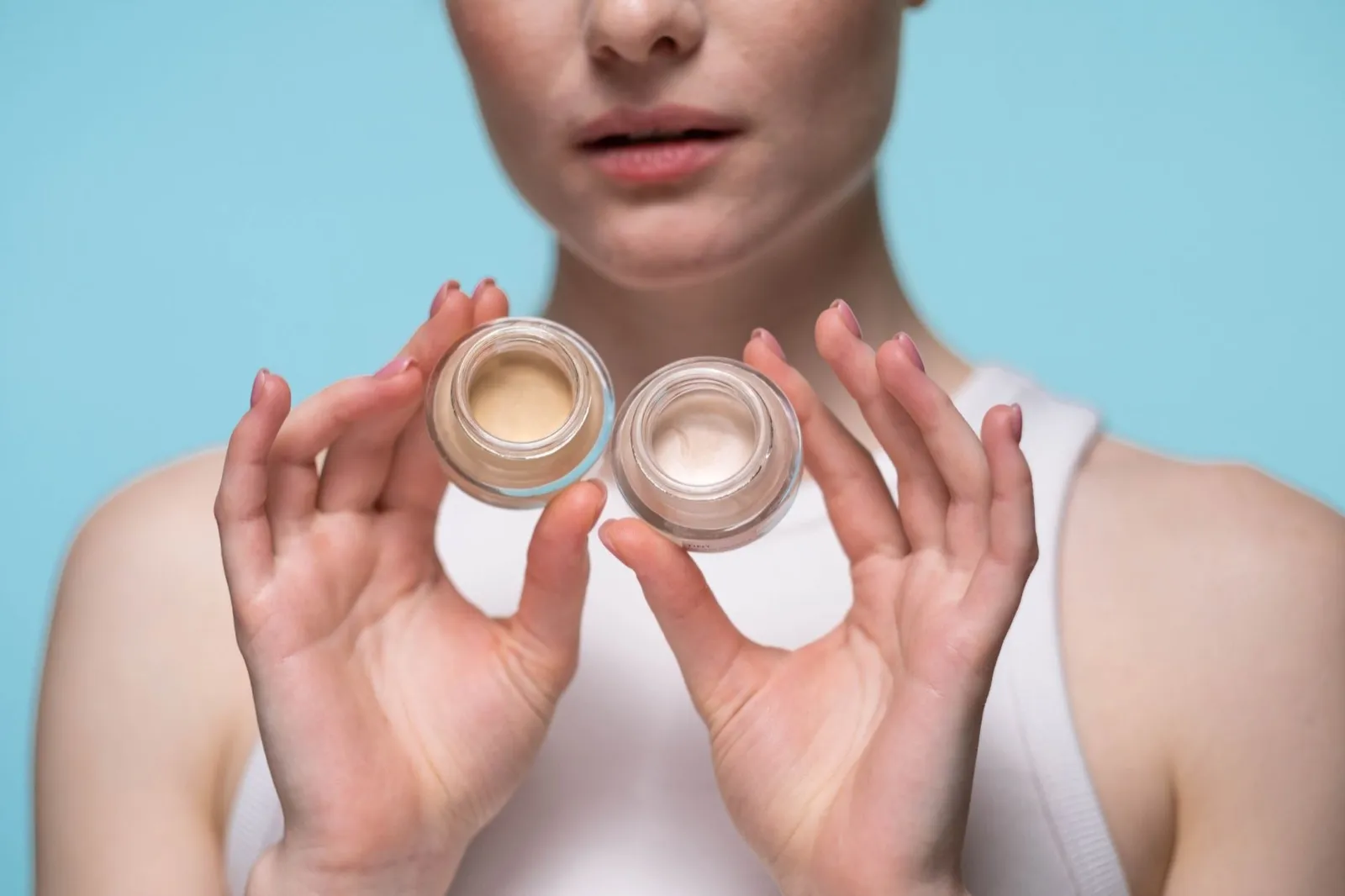
Image Credit: Pexels / Ron Lach
A moisturiser helps keep water in your skin and supports its protective outer layer. The right one should leave your face feeling comfortable, soft and hydrated without causing persistent stinging, congestion or excessive greasiness.
Lightweight lotions and gels often suit oily or combination skin, while creams and ointments can provide more support for dry skin. Sensitive skin may benefit from a simple, fragrance-free formula.
You do not need an expensive moisturiser or a long ingredient list. A basic product that suits your skin and that you can use consistently is often the best choice.
What is a moisturiser?
A moisturiser is a skincare product designed to reduce water loss and improve the way dry or dehydrated skin feels.
Facial moisturisers are available as:
- Gels
- Gel creams
- Lotions
- Creams
- Balms
- Ointments
- Facial oils
- Moisturisers with sunscreen
The texture usually affects how light or rich the product feels. Gels and lotions tend to be lighter, while creams, balms and ointments create a more substantial layer over the skin.
An emollient is a moisturising treatment that soothes and hydrates the skin. The NHS explains that emollients form a protective film that helps trap moisture. They are often used for dry, itchy or scaly skin conditions, although everyday cosmetic moisturisers can also contain emollient ingredients.
What does moisturiser do?
A good moisturiser can help:
- Reduce water loss from the skin
- Relieve dryness and tightness
- Soften rough or flaky areas
- Support the skin’s protective barrier
- Improve comfort after cleansing
- Create a smoother base beneath makeup
- Protect exposed skin from dry indoor air and cold weather
Moisturiser does not permanently change your skin type. It supports the skin while the product is being used.
It also cannot replace treatment for eczema, acne, rosacea, psoriasis or another persistent skin condition. However, an appropriate moisturiser may form part of a treatment plan recommended by a healthcare professional.
How do moisturisers work?
Moisturisers often combine three broad groups of ingredients: humectants, emollients and occlusives. A product may contain ingredients from all three groups.
Humectants
Humectants attract and hold water within the upper layers of the skin.
Common examples include:
- Glycerin
- Hyaluronic acid
- Urea
- Panthenol
- Lactic acid
- Sodium PCA
Humectants are often found in hydrating serums, lotions and gel creams. They work best as part of a complete formula. Applying a humectant serum without moisturiser may not feel sufficient if your skin is very dry.
Emollients
Emollients soften the surface of the skin and help fill the spaces between dry skin cells.
Examples include:
- Ceramides
- Squalane
- Fatty acids
- Shea butter
- Plant-derived oils
- Cholesterol
- Esters
These ingredients can make rough skin feel smoother and more flexible.
Occlusives
Occlusive ingredients form a layer over the skin that reduces water loss.
Examples include:
- Petrolatum
- Mineral oil
- Dimethicone
- Lanolin
- Waxes
Rich creams, balms and ointments tend to contain more occlusive ingredients than lightweight gels. Occlusives can be especially helpful for very dry areas, although some people find them too heavy for the whole face.
What is the difference between dry and dehydrated skin?
Dry skin is a skin type that produces less natural oil. It may feel rough, flaky or tight and often benefits from richer moisturising products.
Dehydrated skin lacks water. It can affect any skin type, including oily skin.
Dehydrated skin may:
- Feel tight after cleansing
- Look dull
- Show fine surface lines
- Feel oily and tight at the same time
- Become uncomfortable in heated or air-conditioned rooms
An oily complexion can still need moisturiser. Using a light formula may help provide hydration without creating a heavy finish.
Types of facial moisturisers
Gel moisturisers
Gel moisturisers have a light, water-rich texture that absorbs quickly.
They may suit:
- Oily skin
- Combination skin
- Hot or humid weather
- People who dislike a heavy finish
- Morning use beneath makeup
Some gels contain very little oil, while others are gel creams with a more balanced mixture of water and emollient ingredients. A gel may not feel rich enough for very dry skin, particularly during winter.
Lotion moisturisers
Lotions are fluid and usually lighter than creams. They spread easily and may suit:
- Normal skin
- Oily skin
- Combination skin
- Mild dryness
- Daytime use
A lotion can provide more comfort than a gel without feeling as heavy as a thick cream.
Cream moisturisers
Creams contain a richer balance of water, oils and barrier-supporting ingredients. They may suit:
- Dry skin
- Mature skin
- Normal skin in cold weather
- Skin using drying treatments
- Night-time routines
A cream does not have to feel greasy. Many modern formulas absorb well while leaving a protective layer behind.
Balm moisturisers
Balms are thick and contain less water than ordinary creams. They can be useful on:
- Very dry patches
- Irritated areas
- Chapped skin
- Areas exposed to cold weather
- Skin around the nose after frequent tissue use
A balm may feel too heavy across an oily face, so apply it only where needed.
Ointments
Ointments are usually the richest and most occlusive moisturising products. They can help reduce water loss from very dry skin and are often used as medical emollients.
Ointments may feel greasy and can take longer to absorb. They are often more practical for night-time use or targeted areas than beneath daytime makeup.
Some paraffin-based emollients can build up in clothing, bedding or dressings and increase fire risk. Keep treated fabrics away from cigarettes, naked flames and other ignition sources, and follow the safety information supplied with the product.
Facial oils
Facial oils can soften the skin and reduce water loss, but they do not always provide enough hydration on their own.
You can apply a few drops:
- Over moisturiser
- Mixed into a compatible cream
- On dry areas only
- As the final step of an evening routine
Oils vary in texture and may not suit everyone. Stop using one if you notice persistent irritation or congestion.
How to choose a moisturiser for your skin type
Your moisturiser should match how your skin feels and behaves now.
Skin needs can change with the season, hormones, medication, skincare treatments and age. You may prefer a light lotion in summer and a richer cream during winter.
Moisturiser for dry skin
Dry skin often benefits from a cream, balm or ointment that combines humectants with emollient and occlusive ingredients.
Look for ingredients such as:
- Glycerin
- Ceramides
- Petrolatum
- Dimethicone
- Squalane
- Shea butter
- Hyaluronic acid
- Urea
- Fatty acids
Apply moisturiser after cleansing while your skin is still slightly damp. This can help trap some of the remaining water.
If one layer is not enough, you can apply a richer product to the driest areas rather than covering the entire face with a thick ointment. Avoid heavily fragranced formulas if your dry skin is also sensitive or irritated.
Moisturiser for oily skin
Oily skin still needs hydration.
Look for a moisturiser described as:
- Lightweight
- Oil-free
- Water-based
- Gel
- Gel cream
- Non-comedogenic
- Suitable for oily skin
Non-comedogenic means the product is intended to be less likely to block pores. It does not guarantee that it will suit every person.
Apply a thin layer rather than skipping moisturiser completely. If your face feels greasy after application, try using less product or moving to a lighter texture. You may also use different amounts across the face. The cheeks might need more than the forehead, nose and chin.
Moisturiser for combination skin
Combination skin may be oily through the centre of the face and drier around the cheeks. A lightweight lotion or gel cream can provide a useful starting point.
You can:
- Apply a thin layer across the whole face
- Add a second layer to dry areas
- Use a richer cream only on the cheeks
- Apply less around the nose and forehead
- Change textures according to the season
You do not necessarily need two completely separate routines. Adjusting the amount and placement may be enough.
Moisturiser for sensitive skin
Sensitive skin may sting, itch or become red after using certain products.
Look for:
- Fragrance-free formulas
- Shorter ingredient lists
- Products designed for sensitive skin
- Barrier-supporting creams
- Gentle lotions
- Products without strong exfoliating ingredients
Fragrance-free is usually more useful than unscented. An unscented product may contain ingredients added to mask its natural smell.
Descriptions such as hypoallergenic or dermatologist tested do not guarantee that a product cannot cause a reaction. Introduce one new moisturiser at a time. Patch testing may help identify obvious irritation before you apply it across your whole face.
Moisturiser for acne-prone skin
Acne-prone skin may be oily, dry, sensitive or combination. A lightweight, non-comedogenic moisturiser can help relieve dryness caused by cleansers or acne treatments.
Look for:
- Oil-free formulas
- Non-comedogenic products
- Fragrance-free options
- Gel creams
- Lightweight lotions
- Ceramides
- Glycerin
- Hyaluronic acid
Avoid applying several new products at once. If breakouts worsen, it can be difficult to identify the cause.
Some acne treatments can dry or irritate the skin. A suitable moisturiser may make the routine more comfortable, but it should not replace advice about severe or persistent acne.
Moisturiser for mature skin
Mature skin may become drier and lose moisture more easily, although this varies between people. Creams containing humectants, emollients and occlusives can support comfort and softness.
Useful ingredients may include:
- Glycerin
- Ceramides
- Hyaluronic acid
- Squalane
- Peptides
- Dimethicone
- Petrolatum
- Shea butter
A rich moisturiser cannot remove wrinkles or reverse ageing. It can temporarily soften dry surface lines by improving hydration.
Choose the texture according to your actual skin type rather than age alone. Mature skin can still be oily or acne-prone.
Moisturiser for normal skin
Normal or balanced skin may tolerate a broad range of products. A lotion or medium-weight cream is often enough.
Choose according to:
- The season
- How the product feels beneath makeup
- Whether your skin becomes dry at night
- How much sunscreen you wear
- Your preferred finish
There is no need to use the richest option if a simple lotion keeps your skin comfortable.
Moisturiser for eczema-prone skin
Eczema-prone skin often benefits from regular use of fragrance-free emollients. Creams and ointments are generally richer than lotions and may provide more support for very dry areas.
Apply the product gently in the direction of hair growth rather than rubbing it vigorously. Reapply whenever the skin feels dry, following advice from your pharmacist, GP or dermatologist.
If you use both an emollient and a prescribed topical treatment, follow the timing instructions provided by a healthcare professional.
Which moisturiser ingredients should you look for?
The best ingredient list depends on your skin rather than one ingredient being essential for everyone.
Ceramides
Ceramides are lipids found naturally within the skin’s outer layer. Moisturisers containing ceramides are often marketed for dry, sensitive or barrier-compromised skin. They may be combined with cholesterol and fatty acids in barrier-supporting formulas.
Glycerin
Glycerin is a widely used humectant that helps attract and retain water. It appears in gels, lotions, creams and cleansers. It can suit most skin types, depending on the rest of the formula.
Hyaluronic acid
Hyaluronic acid is a humectant that helps hold water in the upper layers of the skin. It can provide a hydrated, plumper appearance, but the effect is temporary.
A hyaluronic acid serum does not always replace moisturiser. Dry skin may still need a cream or lotion over it to reduce water loss.
Squalane
Squalane is a lightweight emollient that softens the skin. It is often included in creams, facial oils and barrier products. Its texture may suit people who want softness without a very heavy finish.
Urea
Urea helps attract water and soften rough skin. Lower-strength products are used for hydration, while stronger formulas may also help loosen thick, scaly skin. Check the product instructions. Urea can sting on cracked, inflamed or freshly shaved skin.
Niacinamide
Niacinamide is a form of vitamin B3 found in many moisturisers. It may support the skin barrier and is often included in products for oily, dry or uneven-looking skin.
Higher percentages are not always better. Some people find strongly concentrated formulas irritating.
Petrolatum
Petrolatum is an occlusive ingredient that reduces water loss. It is useful for very dry areas and is commonly found in ointments and balms. It may feel too heavy for some facial routines, so use a small amount or apply it only to dry patches.
Dimethicone
Dimethicone is a silicone-based ingredient that can reduce water loss and create a smooth feel. It is used in moisturisers, primers and barrier creams. It can help makeup apply more smoothly over dry or uneven-feeling skin.
Peptides
Peptides are short chains of amino acids included in some moisturisers marketed for ageing skin. The benefits depend on the specific peptide and complete formula. A peptide cream should still provide basic hydration and comfort.
Do not assume that a product is more effective simply because it contains a long list of peptides.
Shea butter
Shea butter is a rich emollient used in creams and balms. It may suit dry skin but can feel heavy on oily complexions. As with any botanical ingredient, it can still cause irritation in some people.
Do you need a separate day and night moisturiser?
Not necessarily.
You can use the same moisturiser in the morning and evening if it suits your skin.
A separate daytime product may be helpful if you prefer:
- A lighter texture beneath makeup
- A moisturiser containing sunscreen
- Less shine during the day
- A product that absorbs quickly
A separate night cream may suit you if you want:
- A richer texture
- More support for dry skin
- An occlusive layer over other products
- A formula without sunscreen
Night creams are not automatically stronger or more effective. The main difference is often their texture and added ingredients.
When should you apply moisturiser?
Apply moisturiser after cleansing and any lightweight treatments.
A simple order might be:
- Cleanser
- Treatment or serum, if used
- Moisturiser
- Sunscreen in the morning
Apply it while the skin is slightly damp if this feels comfortable. You do not need to leave your face dripping wet. Allow the moisturiser to settle before applying sunscreen or makeup.
How much moisturiser should you use?
There is no single exact amount that works for every product and face.
Start with a small amount and spread it across:
- Forehead
- Cheeks
- Nose
- Chin
- Jaw
- Neck, if suitable
Add more only where the skin still feels dry.
Using too much may cause pilling, shine or a heavy feeling. Using too little may leave dry areas uncomfortable. Follow the product instructions, especially if the moisturiser contains sunscreen or active ingredients.
How to apply moisturiser properly
Step 1. Cleanse gently
Wash your face using a cleanser suited to your skin. Pat away excess water without drying the skin completely.
Step 2. Apply treatment products
Use any prescribed treatment or serum according to its instructions. Allow it to settle if necessary.
Step 3. Apply moisturiser
Place small dots across the face. Spread the product gently using clean fingertips. Avoid pulling hard around the eyes.
Step 4. Add more to dry areas
Apply a second thin layer to areas that need it, such as:
- Cheeks
- Around the mouth
- Sides of the nose
- Dry patches
- Jaw
Step 5. Allow it to absorb
Wait before applying sunscreen or makeup. If products begin to roll into small flakes, reduce the number or amount of layers rather than rubbing harder.
Should moisturiser go before or after sunscreen?
Moisturiser usually goes before sunscreen.
Apply your moisturiser, allow it to settle, then use a suitable broad-spectrum sunscreen as the final step of your morning skincare routine.
A moisturiser containing SPF can provide sun protection only when it is applied generously and evenly according to the sunscreen instructions. Do not assume that a small amount mixed into foundation provides sufficient protection.
Can you use moisturiser under makeup?
Yes. Moisturiser can help foundation apply more evenly, particularly if the skin is dry. Allow it to absorb before beginning your makeup.
If foundation slips or pills:
- Use less moisturiser
- Wait longer before applying makeup
- Reduce the number of skincare layers
- Try a lighter daytime formula
- Press foundation onto the skin instead of rubbing
- Test the foundation without primer
Do not assume the moisturiser and foundation are incompatible until you have tried adjusting the amount and timing.
Why does moisturiser sting?
A moisturiser may sting because:
- Your skin barrier is irritated
- The product contains fragrance
- It includes exfoliating ingredients
- Your skin is cracked or inflamed
- You recently used a strong treatment
- You are reacting to an ingredient
Brief mild tingling may occur with some active formulas, but persistent burning is not something to ignore. Remove the product if it feels painful and stop using it. Seek advice if the irritation continues.
Why does moisturiser pill?
Pilling happens when products roll into small flakes or balls on the skin.
Possible causes include:
- Applying too much product
- Layering several silicone-rich formulas
- Not allowing earlier steps to absorb
- Rubbing repeatedly
- Combining products that form films
- Applying makeup too soon
- Using skincare over flaky skin
Try reducing each amount and waiting between layers. Change only one step at a time so you can identify what is causing the problem.
Why does moisturiser make skin look oily?
The formula may be too rich, or you may be applying more than your skin needs.
Try:
- Using a smaller amount
- Switching from cream to lotion
- Choosing a gel cream
- Applying richer product only to the cheeks
- Allowing more time for absorption
- Using a lighter morning moisturiser
Some shine can also come from sunscreen or makeup applied afterwards.
Can moisturiser cause spots?
Any skincare product may contribute to breakouts or irritation in some people.
A new moisturiser may be involved if spots appear after you introduce it, particularly in areas where you do not usually break out.
However, breakouts can also be affected by:
- Hormones
- Stress
- Other skincare products
- Makeup
- Hair products
- Medication
- Menstrual changes
Stop the new product if you suspect it is causing a problem and return to a simple routine. Introduce alternatives one at a time.
Can oily skin skip moisturiser?
Oily skin can use moisturiser, especially if it feels tight after cleansing or becomes irritated by acne treatments. Choose a lightweight formula and apply a thin layer.
Skipping moisturiser does not stop the skin from producing oil. The goal is to provide enough hydration without using a texture that feels uncomfortable.
Can you use body lotion on your face?
Body lotions are designed for larger areas and may contain fragrance or richer ingredients that do not suit facial skin. Some simple body moisturisers may be suitable for the face, but check the label first.
Choose a facial moisturiser if you are acne-prone, highly sensitive or applying the product close to the eyes.
Is expensive moisturiser better?
Not necessarily.
An effective moisturiser needs to hydrate the skin, reduce discomfort and fit your routine. Affordable formulas can perform these basic functions very well.
Higher prices may reflect:
- Packaging
- Fragrance
- Branding
- Texture
- Marketing
- Added active ingredients
Judge a moisturiser by how your skin responds rather than its price.
Do natural moisturisers work better?
Natural does not automatically mean gentler or safer.
Plant extracts, essential oils and fragrances can cause irritation or allergic contact dermatitis in some people. Synthetic ingredients can also cause reactions, but they are not inherently worse because they were created or refined in a laboratory.
Focus on the complete formula and your skin’s response.
Should you change moisturiser with the seasons?
You may find it helpful.
In cold weather, low humidity and indoor heating can make skin feel drier. A cream or richer lotion may provide more comfort. During warm or humid weather, a gel or lightweight lotion may feel better.
You can also keep the same moisturiser and adjust the amount. Use more on dry days and less when your skin feels balanced.
How often should you moisturise?
Many people apply facial moisturiser once or twice daily.
Use it:
- After cleansing
- When the skin feels dry
- Before sunscreen in the morning
- After treatments that cause dryness, if advised
- After bathing on dry areas of the body
People using medical emollients may need to apply them more frequently. Follow the instructions from your healthcare professional or product leaflet.
Common moisturiser mistakes
Choosing only by skin type labels
A product labelled for dry skin may still irritate sensitive skin. A moisturiser for oily skin may feel too light during winter.
Use the label as a starting point, then consider texture, ingredients and comfort.
Applying too much
More moisturiser does not always mean more hydration. Excess product may sit on the surface, pill beneath makeup or feel greasy.
Applying it to completely dry skin
Moisturiser can be applied to dry skin, but using it while the skin is slightly damp may help trap additional water.
Using active ingredients in every step
A cleanser, serum and moisturiser that all contain exfoliating acids may overwhelm sensitive skin. Keep at least one step simple.
Assuming stinging means the product is working
Persistent burning or pain may signal irritation. Remove the product and stop using it.
Forgetting the neck
If the product is suitable, extend a small amount down the neck. Avoid applying a cosmetic moisturiser to broken or inflamed skin unless directed.
Expecting moisturiser to replace sunscreen
Hydration and sun protection are different functions. Use a suitable sunscreen in the morning unless your moisturiser provides adequate labelled protection and is applied correctly.
Changing several products at once
Introduce one new product at a time. This makes it easier to identify the cause if irritation or breakouts develop.
How to tell if your moisturiser is working
A suitable moisturiser should help your skin feel:
- Comfortable
- Softer
- Less tight
- Less flaky
- Flexible rather than greasy
- Ready for sunscreen or makeup
It should not repeatedly cause:
- Burning
- Significant itching
- Swelling
- Persistent redness
- Painful spots
- A worsening rash
Give a basic moisturiser enough time to assess comfort and hydration, but stop immediately if you develop a significant reaction.
When to get professional help
Speak to a pharmacist, GP or dermatologist if your skin remains persistently dry, painful, cracked, inflamed or itchy despite using a gentle moisturiser.
Seek advice if you have a recurring rash, severe acne, suspected eczema, widespread flaking or symptoms that interfere with sleep or daily life.
Stop using a moisturiser if it causes persistent burning, swelling, blistering or a worsening rash.
Seek urgent medical help if you develop difficulty breathing or swelling of your lips, mouth, tongue or throat after applying a skincare product.
Related reading
- Skincare Cleansers: How to Choose the Right Cleanser for Your Skin
- How to Remove Makeup Properly: A Gentle Step by Step Guide
- Makeup by Skin Type: How to Choose and Apply the Right Products
- Face Makeup Guide for Beginners: Products, Order and Easy Application Tips