Skincare Acids Guide: AHA, BHA, PHA and How to Use Them Safely
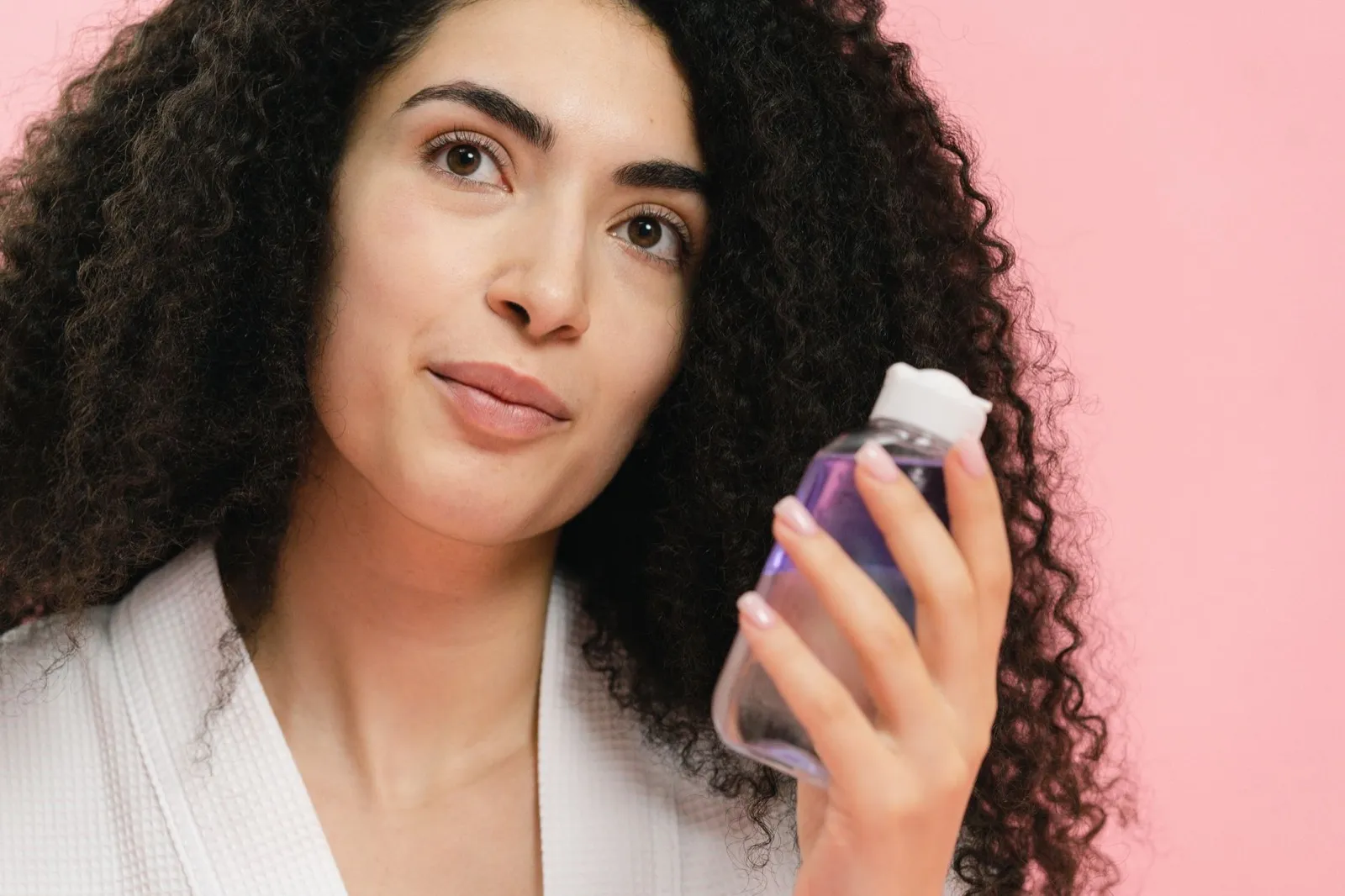
Image Credit: Pexels / SHVETS production
Skincare acids are ingredients used to exfoliate the skin, clear congested pores and improve the appearance of texture, dullness, blemishes and uneven pigmentation. The main types are alpha hydroxy acids, beta hydroxy acids and polyhydroxy acids, usually shortened to AHA, BHA and PHA.
AHA products generally work at the skin’s surface, while salicylic acid, the most common BHA, can be useful for oily and congested skin. PHA products tend to exfoliate more gently and may suit people who find stronger acids irritating.
Start with one low-strength acid once a week. Use moisturiser, avoid combining several exfoliants and protect your skin from the sun. Persistent burning, swelling, blistering or painful peeling is not a desirable sign that an acid is working.
This article covers cosmetic skincare products rather than professional chemical peels. Strong peels should be selected and applied by an appropriately qualified professional.
What are skincare acids?
Skincare acids can help loosen the bonds between dead cells on the skin’s surface, allowing those cells to shed more evenly.
Depending on the acid, formula and concentration, they may help with:
- Dull-looking skin
- Rough texture
- Clogged pores
- Blackheads
- Whiteheads
- Mild blemishes
- Post-blemish marks
- Uneven-looking pigmentation
- Fine surface lines
- Keratosis pilaris
- Dry, flaky skin
The word acid can sound alarming, but cosmetic acids are formulated at controlled concentrations and acidity levels. They can still irritate or injure skin when they are too strong, used too frequently or combined with several active products.
Skincare acids are not essential. A routine containing a gentle cleanser, moisturiser and suitable sunscreen may be enough for many people.
What is chemical exfoliation?
Chemical exfoliation uses ingredients such as glycolic, lactic or salicylic acid to loosen and remove dead surface cells. This differs from physical exfoliation, which relies on friction from scrubs, brushes, textured cloths, exfoliating gloves or granular particles.
Chemical exfoliation may create a more even result because it does not depend on scrubbing pressure, but it is not automatically gentler. A strong acid used every night may be much more irritating than a soft cloth used occasionally.
The main types of skincare acids
The three common exfoliating groups are:
- AHA
- BHA
- PHA
Azelaic acid is also widely used in skincare, although it does not fit neatly into these exfoliating categories. Other ingredients with acid in their name, such as hyaluronic acid, do not work as exfoliants.
What are AHAs?
AHA stands for alpha hydroxy acid. AHAs are water-soluble ingredients that mainly exfoliate the surface of the skin. They are often used for dryness, rough texture, dullness, fine lines and uneven-looking pigmentation.
Common AHAs include glycolic acid, lactic acid, mandelic acid, citric acid, malic acid and tartaric acid.
Glycolic acid
Glycolic acid has a relatively small molecular size, allowing it to act efficiently within the upper layers of the skin. It may help improve dullness, rough texture, fine lines, post-blemish marks, uneven pigmentation and surface congestion.
Because it can penetrate readily, glycolic acid may also cause more irritation than some gentler acids. Beginners may prefer a low-strength product used once a week rather than a strong daily toner.
Lactic acid
Lactic acid may suit people concerned about dryness, dullness, mild texture, fine surface lines and uneven-looking tone. It also has humectant properties, which means it can help attract water within the upper layers of the skin.
This does not make every lactic acid product gentle. Concentration, formula and acidity still matter.
Mandelic acid
Mandelic acid has a larger molecular structure than glycolic acid and is often described as a gentler AHA. It may be considered for sensitive skin, mild blemishes, uneven pigmentation, rough texture and gradual exfoliation.
It can still cause dryness or stinging. Begin slowly and avoid applying it to irritated skin.
Citric, malic and tartaric acids
These AHAs may appear in blended exfoliating products. They can help adjust a formula’s acidity and may contribute to exfoliation.
A product containing several acids is not necessarily more effective or suitable than one containing a single acid. Multiple exfoliating ingredients may increase irritation.
What are BHAs?
BHA stands for beta hydroxy acid. In cosmetic skincare, BHA usually means salicylic acid.
Salicylic acid is oil-soluble, allowing it to work within oily pores as well as on the skin’s surface. It is commonly used for oily skin, blackheads, whiteheads, clogged pores, mild acne, visible congestion and rough or bumpy skin.
Salicylic acid
Salicylic acid is available in cleansers, toners, serums, spot treatments, masks, body lotions, scalp products and treatments for rough skin.
Facial products often contain relatively low concentrations, commonly up to 2%, although the amount and legal classification vary between products and countries.
A salicylic acid cleanser is rinsed away and may feel gentler than a leave-on serum, although it may have less time to act. A leave-on product provides more sustained contact but may be more likely to cause dryness or irritation.
What are PHAs?
PHA stands for polyhydroxy acid. Common PHAs include gluconolactone, lactobionic acid and galactose.
PHA molecules are generally larger than common AHAs. They tend to act more gradually at the surface and are often marketed as a gentler option.
PHA products may suit sensitive skin, dry skin, beginners, people who do not tolerate glycolic acid and people wanting mild surface exfoliation.
PHAs can also have humectant properties. Gentler does not mean irritation is impossible: a concentrated PHA product or one combined with other acids can still cause redness, dryness or stinging.
What is azelaic acid?
Azelaic acid is a naturally occurring dicarboxylic acid used in both cosmetic products and medicines. It is not an AHA, BHA or PHA.
It may be used for mild to moderate acne, post-inflammatory pigmentation, melasma, redness associated with rosacea and uneven-looking skin tone.
It can cause tingling, dryness, mild burning, itching or redness. Ask a pharmacist, GP or dermatologist for advice if you have persistent acne, rosacea or significant pigmentation.
Is hyaluronic acid an exfoliating acid?
No. Despite its name, hyaluronic acid is not an exfoliant. It is a humectant that helps hold water within the upper layers of the skin.
It can often be used alongside exfoliating acids to support hydration, followed by moisturiser.
Is ascorbic acid an exfoliating acid?
Ascorbic acid is vitamin C. Some vitamin C serums are acidic and may sting sensitive skin, but vitamin C is mainly used as an antioxidant and brightening ingredient rather than a traditional exfoliant.
Using vitamin C with an AHA or BHA may increase irritation, particularly if both products are strong.
Which skincare acid should you choose?
Choose an acid according to your main concern and skin tolerance.
For dullness and rough texture
Consider glycolic acid, lactic acid, mandelic acid or PHA. Glycolic acid may provide more noticeable exfoliation, while lactic, mandelic and PHA products may feel gentler.
For blackheads and clogged pores
Consider salicylic acid. It is oil-soluble and may help loosen material inside congested pores.
For oily skin
Salicylic acid may be a practical starting point. Choose a cleanser or low-strength leave-on product and begin slowly. Oily skin can still become dehydrated and irritated, so use moisturiser too.
For dry or sensitive skin
Consider lactic acid, PHA or a low-strength mandelic acid product. Follow with moisturiser containing ingredients such as glycerin, ceramides, squalane or dimethicone.
Sensitive skin does not have to be exfoliated. Skip acids if your skin remains more comfortable without them.
For acne-prone skin
Salicylic acid may help mild clogged pores and blemishes. Azelaic acid may also be useful for acne and post-blemish marks.
Moderate, severe, painful or scarring acne may require medical treatment. Cosmetic acids should not delay professional advice.
For post-blemish marks
Options may include glycolic, lactic, mandelic, azelaic or polyhydroxy acids. Use sunscreen consistently, and avoid over-exfoliating because irritation can create further discolouration.
For fine lines
AHAs such as glycolic and lactic acid may smooth the appearance of fine surface lines. They cannot remove deep wrinkles, restore lost volume or lift sagging skin.
For keratosis pilaris
Body products containing lactic acid, salicylic acid, glycolic acid or urea may help soften rough bumps. Apply according to the instructions and avoid using acids immediately after shaving or on scratched, inflamed or broken skin.
What acid strength should beginners use?
There is no universal percentage that suits everyone. Product strength depends on the acid, concentration, pH, whether it is rinsed away, how long it stays on the skin, other ingredients, your skin’s condition and how often it is applied.
A low-strength product can still irritate if used every day. Strong home peels carry more risk.
Beginners should usually choose one mild product with clear instructions rather than combining several acid toners, masks and serums.
How often should you use skincare acids?
Begin once a week. If your skin remains comfortable for several weeks, you may increase to twice a week.
Some people eventually tolerate more frequent use, but daily exfoliation is not necessary for most routines. Reduce or stop if you notice:
- Persistent tightness
- Stinging when applying moisturiser
- Redness
- Flaking
- Unusual shininess
- Increased sensitivity
- Burning
- Painful breakouts
- Darkening after irritation
Allow your skin time to respond before increasing strength or frequency.
How to use skincare acids step by step
Step 1. Choose one acid
Do not begin glycolic acid, salicylic acid and a peel at the same time. Choose the ingredient most relevant to your main concern.
Step 2. Patch test the product
Apply it to a small area according to the instructions before using it widely. Patch testing cannot predict every delayed reaction, but it may identify obvious irritation.
Step 3. Cleanse gently
Use a mild cleanser and lukewarm water. Avoid scrubbing or using an exfoliating cleansing brush on the same evening.
Step 4. Dry your skin
Many leave-on acid products are applied to dry skin. Damp skin may increase penetration and make some acids feel more irritating. Follow the individual product instructions.
Step 5. Apply a small amount
Use only the amount directed. Avoid the eyelids, lips, corners of the nose, broken skin, active eczema, sunburn and recently waxed areas.
Step 6. Apply moisturiser
Follow with a gentle moisturiser unless the product instructions say otherwise. A moisturiser can reduce dryness and support the barrier, but it cannot make excessive acid use safe.
Step 7. Use sunscreen
Apply suitable broad-spectrum sunscreen during the day. Exfoliating routines can leave irritated skin more vulnerable to sun exposure, and ultraviolet radiation can worsen pigmentation.
Should acids be used in the morning or evening?
Many people use exfoliating acids in the evening. This makes it easier to keep the routine simple, separate acids from vitamin C, avoid several active products and observe irritation before applying makeup.
Some products are designed for morning use. Follow the instructions and always use suitable sun protection.
Where do acids go in a skincare routine?
A simple acid evening may look like:
- Makeup remover, if needed
- Gentle cleanser
- Acid treatment
- Moisturiser
A simple morning routine may include a gentle cleanser, moisturiser, broad-spectrum sunscreen and makeup if desired.
You do not need a toner, essence and several serums around the acid.
Can you combine skincare acids with other ingredients?
AHA and BHA
Some products contain both AHA and BHA and are formulated to be used together. Using separate strong products during one routine may increase irritation.
Beginners should choose one. If your skin eventually tolerates both, use AHA once a week and BHA on a different evening with recovery nights between them.
Retinol
Acids and retinol can both cause dryness, peeling and irritation. Avoid applying them together when you are new to either ingredient.
A gentler schedule might be one acid evening, a recovery routine, retinol on another evening and further moisturiser-only nights. Do not use topical retinoids during pregnancy or while planning a pregnancy.
Vitamin C
Vitamin C and exfoliating acids can be included in the same overall routine, but layering them may sting or irritate sensitive skin. A simple approach is vitamin C in the morning and acid on selected evenings.
Niacinamide
Niacinamide can generally be used alongside AHA, BHA or PHA products. You could apply cleanser, acid, niacinamide serum and moisturiser.
A niacinamide moisturiser used after the acid may be simpler than adding another serum.
Hyaluronic acid
Hyaluronic acid is hydrating rather than exfoliating. A possible routine is cleanser, exfoliating acid, hyaluronic acid serum and moisturiser.
Benzoyl peroxide
Salicylic acid and benzoyl peroxide may both help acne, but using them together may cause dryness and irritation. Separate them by using one in the morning and one at night, or use them on alternate days.
Follow advice from a pharmacist, GP or dermatologist if you are treating acne.
Azelaic acid
Azelaic acid may be used alongside other acids, but the combination can irritate sensitive skin. Introduce them separately, and follow prescribed treatment instructions.
Facial scrubs
It is usually unnecessary to use a scrub and chemical exfoliant during the same routine. Combining chemical and physical exfoliation may create too much irritation.
Can you use acids after shaving or waxing?
Shaving can temporarily make skin more sensitive. Applying glycolic, lactic or salicylic acid immediately afterwards may cause intense stinging.
Acids can also make skin more vulnerable to irritation from waxing. Tell the beauty professional which products you use before your appointment. Do not apply an acid to skin that is red, tender or damaged after waxing.
Can you use acids before a facial or professional peel?
Tell the practitioner about every active product you use, including glycolic acid, salicylic acid, lactic acid, retinol, prescription retinoids, benzoyl peroxide, azelaic acid and exfoliating masks.
You may need to stop some products before a peel, laser treatment, microneedling or dermaplaning. A professional treatment should not be layered onto an already irritated home routine.
Are skincare acids safe during pregnancy or breastfeeding?
Pregnancy skincare requires attention to the exact ingredient, concentration, application area and product type. Do not assume every product labelled an acid carries the same advice.
Azelaic acid is commonly considered an option for acne or pigmentation during pregnancy, but a pharmacist, midwife or GP can advise about the specific product. Limited, low-strength cosmetic use of some AHAs may be acceptable, but strong home peels should be avoided without professional advice.
Salicylic acid requires more caution, particularly in high concentrations, over large areas or beneath occlusion. Ask a pharmacist, midwife or GP before using a leave-on product during pregnancy.
Always check the full formula because a product may also contain retinoids, which should not be used during pregnancy.
While breastfeeding, advice depends on the acid, concentration and treatment area. Avoid applying active skincare to the nipple, breast or anywhere likely to contact the baby’s skin or mouth.
Do skincare acids cause purging?
Some people notice increased blemishes after starting salicylic acid or an AHA. However, not every breakout is a temporary adjustment.
The product may instead be irritating your skin, too strong, used too frequently, combined with too many active ingredients, too rich, causing contact dermatitis or unrelated to the breakout.
Purging should not involve severe itching, swelling, blistering or a widespread rash. Stop the product and seek advice if your skin becomes painful or significantly inflamed.
What does over-exfoliated skin look like?
Possible signs include persistent redness, burning, stinging, tightness, peeling, unusual shininess, increased oiliness, roughness, sensitivity to water, moisturiser suddenly stinging, small irritated bumps, worsening pigmentation or cracked skin.
Over-exfoliated skin may be mistaken for skin that needs even more exfoliation. Do not use another acid to remove flakes.
How to repair skin after over-exfoliating
Stop the acid and simplify your routine. Use a gentle cleanser, lukewarm water, fragrance-free moisturiser, suitable sunscreen and minimal makeup if the skin feels sore.
Avoid retinol, scrubs, vitamin C if it stings, benzoyl peroxide, strong acne treatments unless prescribed, fragranced products, waxing, professional peels and picking at flakes.
Allow the skin to recover before considering another exfoliant. Seek professional advice if the reaction is painful, blistered, weeping or not improving.
Why does acid skincare sting?
A mild, brief tingling sensation may occur with some acidic products. Persistent burning may indicate that the product is too strong, your barrier is irritated, you applied it to damp skin, used too much, combined it with another active, applied it after shaving, have contact dermatitis or applied it to a cut.
Do not assume stronger stinging means better exfoliation. Remove the product if it feels painful and rinse according to its safety instructions.
Can acids make pigmentation worse?
Yes, if they cause inflammation or make sun protection more difficult. Post-inflammatory pigmentation can develop after irritation, particularly in medium and deep skin tones.
Reduce this risk by starting slowly, avoiding strong home peels, using one exfoliant, applying sunscreen, stopping if the skin burns and avoiding acids on damaged skin.
Do acids make skin sensitive to the sun?
Exfoliation can leave irritated or newly exposed surface skin more vulnerable to sunlight. Some AHAs are particularly associated with increased sun sensitivity.
Use broad-spectrum sunscreen with suitable UVA protection, seek shade and wear protective clothing. Do not rely on sunscreen to compensate for an acid routine that leaves your skin raw.
Can you use skincare acids every day?
Some low-strength products are marketed for daily use, but daily exfoliation is not necessary for everyone. More frequent use may increase dryness, redness, sensitivity, barrier disruption and post-inflammatory pigmentation.
Begin once a week, then adjust according to your skin and the product instructions. Your ideal frequency may remain once or twice weekly.
Are stronger home peels better?
No. High-strength home peels carry a greater risk of chemical burns, blistering, scarring, prolonged redness, pigmentation changes, eye injury and infection following skin damage.
Do not combine peels, leave them on longer than directed or apply extra layers. Professional chemical peels should be selected according to your skin type, medical history and pigmentation risk.
Can acids permanently shrink pores or remove acne scars?
No. Pore size is influenced by genetics, oil production, age and skin structure. Salicylic acid may clear material from pores, making them look less obvious, while AHAs may improve surrounding texture.
Acids may improve mild surface texture and post-blemish pigmentation, but they are unlikely to remove deep ice-pick, boxcar, rolling or raised scars. Strong DIY peels can worsen scarring and pigmentation.
Can acids help dark underarms or ingrown hairs?
Acids are sometimes used to improve rough texture or uneven-looking colour beneath the arms, but dark underarms can have several causes, including friction, shaving, irritation, contact dermatitis, post-inflammatory pigmentation or insulin resistance.
Begin with a gentle product and do not use it immediately after shaving. Seek medical advice if the skin becomes thick, velvety, rapidly darker or changes elsewhere.
Salicylic, glycolic or lactic acid may help reduce dead skin around hair follicles. Do not apply them to infected, broken or freshly shaved skin, and do not dig out an ingrown hair with a sharp tool.
How to choose an acid product
Look for:
- A clearly named active ingredient
- A stated concentration where appropriate
- Straightforward instructions
- Protective packaging
- A formula suited to your skin type
- No unnecessary fragrance if you are sensitive
- A realistic frequency recommendation
- A reputable manufacturer
Be cautious with products that do not identify their acids, recommend daily use immediately, promise dramatic peeling, encourage burning as proof of effectiveness, suggest leaving the product on longer or combine many strong actives without clear guidance.
Common skincare acid mistakes
Avoid starting with several acids, exfoliating every day, leaving a peel on for longer, applying acids to damp or broken skin, skipping moisturiser or sunscreen, combining acids with retinol immediately, treating severe acne with cosmetic acids and assuming visible peeling means success.
Painful shedding may mean the product is too strong. Choose one product, begin once a week and follow the instructions precisely.
A simple beginner acid routine
Acid evening
- Gentle cleanser
- Low-strength acid product
- Fragrance-free moisturiser
Recovery evening
- Gentle cleanser
- Hydrating serum, if desired
- Moisturiser
Morning
- Gentle cleanser or water rinse
- Moisturiser
- Broad-spectrum sunscreen
- Makeup, if desired
Begin with one acid evening per week.
When to get professional help
Stop using the acid and speak to a pharmacist, GP or dermatologist if you develop persistent burning, severe redness, swelling, blistering, weeping skin or a painful rash.
Seek advice if acne is deep, painful, scarring or not improving with appropriate pharmacy treatments. A dermatologist can also assess persistent pigmentation, unexplained redness, recurrent dermatitis or texture that does not respond to gentle skincare.
Rinse the affected area promptly if a peel causes intense pain or enters your eyes. Seek urgent medical advice for eye pain, vision changes, a serious chemical burn or extensive blistering.
Seek urgent medical help if a skincare reaction causes difficulty breathing or swelling of your lips, mouth, tongue or throat.
Related reading
- Skincare Cleansers: How to Choose the Right Cleanser for Your Skin
- Skincare Moisturisers: How to Choose the Right Moisturiser for Your Skin
- Skincare SPF Guide: How to Choose and Apply Sunscreen Properly
- Retinol Skincare Guide: Benefits, Side Effects and How to Use It Safely