Anti-Ageing Skincare Guide: A Simple Routine for Healthy, Supported Skin
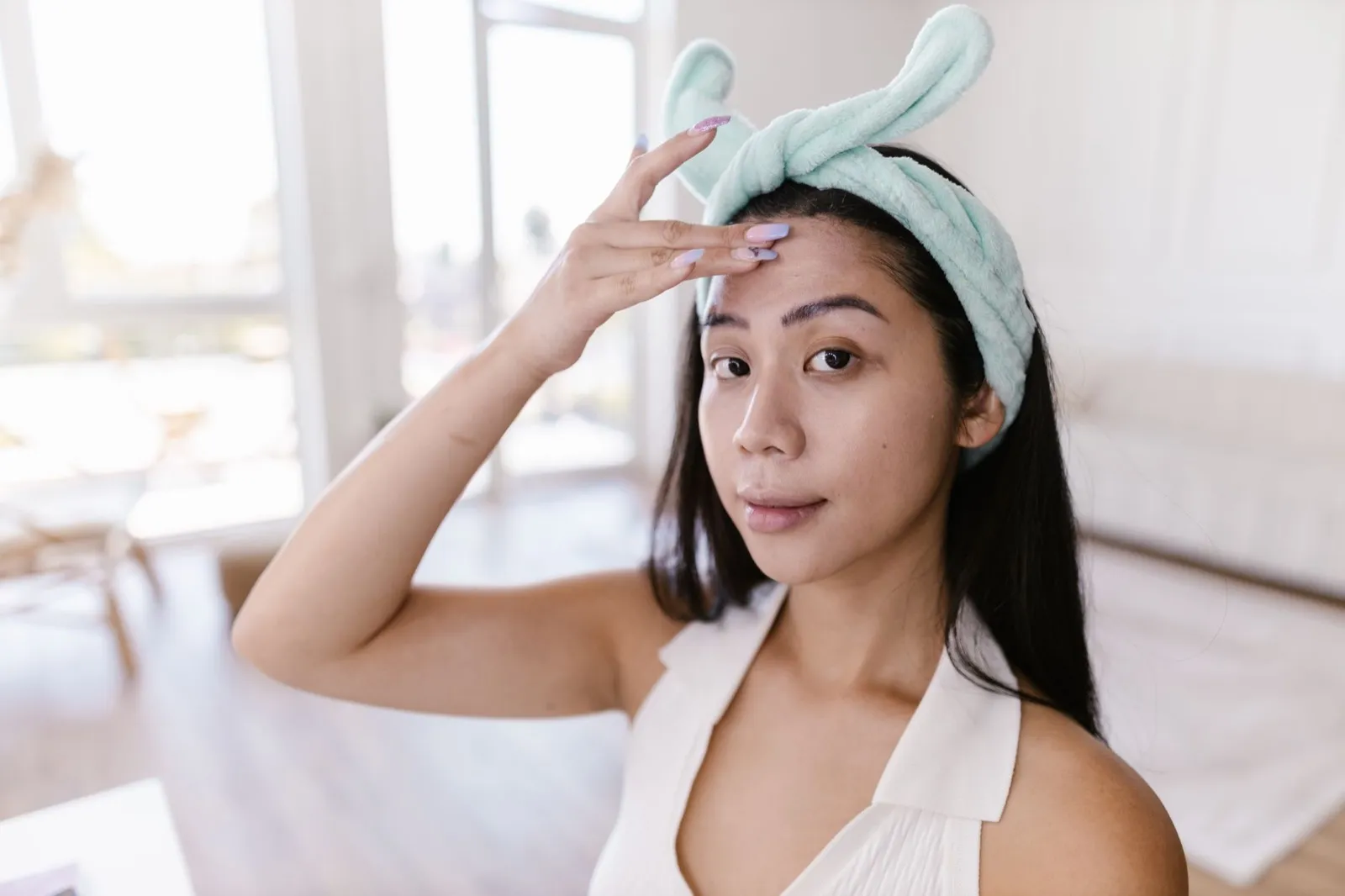
Image Credit: Pexels / RDNE Stock project
An effective anti-ageing skincare routine does not need ten products. Start with broad-spectrum sunscreen, a gentle cleanser and a moisturiser suited to your skin. You can then add one targeted ingredient, such as retinol or vitamin C, if it addresses a concern you care about.
Sunscreen is the most important preventative step because ultraviolet radiation contributes to wrinkles, pigmentation changes and loss of firmness. Retinoids have some of the strongest evidence among topical ingredients for improving mild fine lines and uneven texture, but they can irritate the skin and must not be used during pregnancy.
No cream can stop ageing or make skin permanently texture-free. Good skincare can support comfort, protect against avoidable damage and gradually improve the appearance of dryness, dullness, fine lines and uneven pigmentation.
What does anti-ageing skincare mean?
Anti-ageing skincare usually refers to products and habits intended to prevent avoidable skin damage or soften visible changes associated with time and sun exposure.
These changes may include:
- Fine lines
- Wrinkles
- Dryness
- Uneven pigmentation
- Rough texture
- Dullness
- Reduced firmness
- More visible pores
- Changes in facial volume
- Increased sensitivity
- Slower healing
Ageing is not a skin condition that needs curing. Lines, texture and changes in firmness are natural parts of getting older.
A more helpful goal may be to keep your skin comfortable, protected and supported while treating individual concerns that matter to you.
Why does skin change with age?
Skin changes because of a combination of internal ageing and external influences.
Natural ageing
Over time, the skin may produce less collagen, elastin and natural oil. Cell renewal can become slower, and the skin may retain less water.
You may notice increased dryness, thinner-feeling skin, fine lines, reduced elasticity, slower healing, changes in facial fullness or more fragile skin. These changes vary between people and are influenced partly by genetics.
Sun exposure
Ultraviolet radiation is a major external contributor to visible skin ageing. Repeated exposure can contribute to wrinkles, uneven pigmentation, rough texture, reduced elasticity, visible blood vessels, sun-damaged patches and skin cancer.
Protecting your skin from UV exposure cannot stop natural ageing, but it may reduce additional preventable damage.
Hormonal changes
Hormonal changes, particularly around menopause, may affect skin thickness, moisture and elasticity. Previously oily skin may become drier or more sensitive.
Adjust your products according to how your skin behaves now rather than assuming everyone needs a new routine at a particular age.
Smoking and repeated irritation
Smoking can contribute to premature skin ageing and slower healing. Aggressive scrubbing, excessive exfoliation and several strong active ingredients can also leave skin persistently dry or inflamed.
Irritated skin may appear rougher and make fine lines more visible. A stronger routine is not always a better one.
What can anti-ageing skincare realistically achieve?
A suitable routine may help:
- Reduce dryness
- Make fine surface lines look softer
- Improve dullness
- Support a more even-looking skin tone
- Smooth mild roughness
- Reduce further ultraviolet damage
- Improve the appearance of some dark marks
- Help skin feel more comfortable
- Support the skin barrier
Results are usually gradual and modest. Skincare cannot fully replace lost facial volume, remove deep wrinkles or lift loose skin.
Be cautious with products promising instant lifting, permanent wrinkle removal or results comparable with medical procedures.
The most useful anti-ageing skincare ingredients
You do not need every ingredient listed below. Choose one according to your main concern, then give your skin time to adjust.
Sunscreen
Sunscreen is the foundation of a preventative anti-ageing routine. Choose:
- SPF 30 or higher
- Strong UVA protection
- A texture you can apply generously
- A formula suited to your skin type
In the UK, look for at least four UVA stars or the UVA symbol inside a circle.
Apply sunscreen to exposed face, ears, neck, upper chest, backs of hands and any exposed scalp. Reapply during sustained outdoor exposure and after swimming, sweating or towel drying.
Combine sunscreen with shade, clothing, a hat and suitable sunglasses.
Retinol and retinoids
Retinoids are vitamin A derivatives used for fine lines, uneven texture, pigmentation and acne. Retinol is widely available in cosmetic products, while prescription retinoids such as tretinoin are stronger and used under professional guidance.
They may help improve mild fine lines, rough texture, uneven pigmentation, sun-related changes, clogged pores and mild acne.
Possible side effects include dryness, redness, peeling, stinging, burning and increased sensitivity. Start once or twice a week at night, apply a small amount to dry skin and follow with moisturiser.
Do not combine retinol with another retinoid. Avoid applying it to irritated, broken or sunburnt skin.
Topical retinoids and cosmetic retinol should not be used during pregnancy or while planning a pregnancy. Ask a pharmacist, GP or dermatologist before using retinoids while breastfeeding.
Vitamin C
Topical vitamin C is an antioxidant used for dullness, dark marks and visible signs of sun-related ageing. It may brighten skin, improve uneven-looking pigmentation, support collagen production and complement daytime sun protection.
Vitamin C does not replace sunscreen. It is often applied in the morning after cleansing and before moisturiser and SPF.
Strong L-ascorbic acid serums may sting or irritate sensitive skin. Begin with a lower concentration or a gentler derivative if needed.
Niacinamide
Niacinamide is a form of vitamin B3. It may support the skin barrier, hydration, uneven-looking tone, visible oiliness, mild redness and fine surface texture.
A product containing around 2% to 5% may be enough for many people. Stronger formulas are not automatically more effective and may cause irritation.
Alpha hydroxy acids
AHAs such as glycolic, lactic and mandelic acid exfoliate the skin’s surface. They may improve dullness, rough texture, fine surface lines, uneven pigmentation and dry, flaky skin.
Glycolic acid can be effective but irritating. Lactic and mandelic acid may feel gentler for some people. Begin once a week and do not use several exfoliating acids together or apply them on the same evening as retinol when you are new to either ingredient.
Peptides
Peptides are short chains of amino acids included in products marketed for mature skin. Some formulas may support a smoother or firmer-looking appearance, but results vary.
A peptide moisturiser can be a comfortable option for people who do not tolerate retinol. Do not assume a cream is more effective because it lists several peptides.
Ceramides and hyaluronic acid
Ceramides are lipids naturally found within the skin barrier. Moisturisers containing them may reduce dryness and support sensitive skin.
Hyaluronic acid is a humectant that helps hold water in the upper layers of the skin. It may temporarily soften the look of dry surface lines. Apply it beneath moisturiser because a serum alone may not provide enough protection against water loss.
Azelaic acid
Azelaic acid may help uneven pigmentation, post-blemish marks, mild acne, redness and uneven-looking tone. It can be useful for people who do not tolerate retinol, although it may still cause tingling, dryness or irritation.
A simple morning anti-ageing routine
Step 1. Cleanse gently
Use a mild cleanser or rinse with water if your dry skin does not need a full morning cleanse. Avoid leaving your face feeling tight.
Step 2. Apply an optional antioxidant
Apply vitamin C or niacinamide if you use one. You do not need both as separate serums.
Step 3. Moisturise
Use a moisturiser suited to your skin type. Dry skin may prefer glycerin, ceramides or squalane, while oily skin may feel more comfortable with a gel cream or lightweight lotion.
Step 4. Apply sunscreen
Use broad-spectrum sunscreen with at least SPF 30 and strong UVA protection. Apply it generously and evenly, then allow it to settle before makeup.
A simple evening anti-ageing routine
Step 1. Remove makeup and sunscreen
Use micellar water, cleansing balm or cleansing oil if your ordinary cleanser does not remove them completely. Avoid rubbing around the eyes.
Step 2. Cleanse
Follow with a gentle facial cleanser if needed and pat your skin dry.
Step 3. Apply one treatment
Choose one of retinol, niacinamide, azelaic acid, an AHA, a peptide serum or a hydrating serum. You do not need every active ingredient in the same routine.
Step 4. Moisturise
Finish with moisturiser. If retinol causes dryness, you may apply moisturiser before and after it.
A beginner weekly routine
An example schedule might be:
- Monday: retinol followed by moisturiser
- Tuesday: moisturiser only
- Wednesday: niacinamide or hydrating serum followed by moisturiser
- Thursday: moisturiser only
- Friday: retinol followed by moisturiser
- Saturday: moisturiser only
- Sunday: mild exfoliating acid followed by moisturiser, only if your skin tolerates both acids and retinol
This is an example rather than a requirement. You may need more recovery evenings or may prefer not to use exfoliating acids.
Anti-ageing skincare for different skin types
Dry skin
Dry skin usually benefits from fewer exfoliating products and more consistent moisturising. Look for a cream cleanser, glycerin, ceramides, squalane, hyaluronic acid, shea butter, dimethicone, petrolatum for very dry areas and cream sunscreen.
Use retinol less frequently and choose a lower strength.
Oily skin
Oily skin can still develop fine lines, pigmentation and dehydration. Choose a gentle gel cleanser, lightweight moisturiser, fluid sunscreen, non-comedogenic products, retinol if suitable and niacinamide.
Avoid using every oil-control product at once. Excessive cleansing and exfoliation may leave skin irritated while shine continues.
Sensitive skin
Sensitive skin does not need a strong routine. Begin with fragrance-free cleanser, simple moisturiser, sunscreen designed for sensitive skin and one gentle treatment if desired.
Niacinamide, peptides or a low-strength vitamin C derivative may be easier to tolerate than strong retinol or glycolic acid. Introduce one product at a time.
Acne-prone skin
Retinoids may be useful for both acne and fine lines. Salicylic acid may help blocked pores, while azelaic acid may support acne and post-blemish pigmentation.
Avoid combining several strong treatments without guidance. Choose non-comedogenic moisturiser and sunscreen. Moderate, severe, painful or scarring acne should be discussed with a GP or dermatologist.
Mature skin
Mature skin is not automatically dry, but many people notice reduced moisture and increased sensitivity. A supportive routine may include gentle cream cleanser, richer moisturiser, broad-spectrum sunscreen, retinol if tolerated, vitamin C, ceramides, peptides and niacinamide.
Apply products in thin layers. Adjust makeup according to the result you enjoy rather than following rules about what mature skin should or should not wear.
When should you start anti-ageing skincare?
There is no required age. Sun protection can begin in childhood with age-appropriate products and supervision. Adults may add targeted ingredients whenever they develop a concern they want to address.
You do not need retinol simply because you turn 25 or an eye cream because you turn 30. A cleanser, moisturiser and sunscreen routine is a sensible foundation at any adult age.
How long does anti-ageing skincare take to work?
Hydration may make skin feel softer quickly, but active ingredients usually take longer.
You may need:
- Several weeks to notice improved hydration or texture
- Two to three months to assess pigmentation changes
- Several months to judge retinol results
- Ongoing use to maintain improvement
Take photographs in similar lighting every four to six weeks if gradual changes are difficult to notice. Do not increase strength simply because a product has not changed your skin within a few days.
Do you need a separate eye cream?
Not necessarily. A gentle facial moisturiser may be suitable around the eye area if the instructions allow.
A separate eye cream may help if your usual moisturiser irritates your eyes, you prefer a lighter texture or you experience persistent dryness around the eyes.
Avoid ordinary facial retinol close to the lash line unless the product is specifically formulated for the eye area. No eye cream can permanently remove dark circles caused by genetics, facial structure or visible blood vessels.
Do anti-ageing creams work?
Some do, depending on the ingredients and the result you expect. A moisturiser can reduce dryness and temporarily soften fine surface lines. Retinol may gradually improve mild wrinkles and uneven texture, while vitamin C may support a brighter complexion.
A product is unlikely to remove deep wrinkles, restore significant volume, permanently tighten loose skin, change facial structure or produce surgery-like results.
Is expensive anti-ageing skincare better?
Not automatically. Price can reflect packaging, branding, fragrance, texture, marketing, added ingredients and retail positioning.
An affordable sunscreen, moisturiser or retinol product may work very well. Spend according to the role each product plays. Sunscreen needs a texture you can apply generously every day.
Can collagen creams or supplements replace lost collagen?
Collagen molecules in a cream mainly act as moisturising or film-forming ingredients at the skin’s surface. They do not simply travel into deeper skin and replace structural collagen.
A collagen cream may still make skin feel smoother because it hydrates, but the word collagen does not guarantee a stronger anti-ageing effect.
Some studies have explored oral collagen supplements, but products vary and results are not guaranteed. Supplements should not replace sunscreen, a balanced diet or medical assessment. Ask a pharmacist or GP before taking them if you are pregnant, breastfeeding, take medicines or have a medical condition.
Do water, facial exercises or face taping stop ageing?
Adequate fluid intake supports general health, but drinking extra water does not remove established wrinkles. Moisturiser can improve the surface appearance of dry skin.
Evidence for facial exercises producing reliable anti-ageing results is limited. Facial massage may feel relaxing and temporarily reduce puffiness, but it is unlikely to permanently lift the face or replace volume.
Face taping may temporarily restrict movement, but it does not stop ageing. Adhesives can irritate skin, especially if repeatedly applied or removed roughly.
Does slugging help mature skin?
Slugging means applying a thin layer of an occlusive product, often petrolatum, over moisturiser. It may help very dry skin by reducing water loss.
It does not directly treat wrinkles and may feel too heavy for oily or acne-prone skin. Do not apply an occlusive layer over strong retinol or exfoliating acids unless a professional has advised it.
Anti-ageing skincare during pregnancy and breastfeeding
Do not use topical retinoids or cosmetic retinol during pregnancy or while planning a pregnancy.
A simple pregnancy routine may include gentle cleanser, moisturiser, vitamin C if tolerated, niacinamide, azelaic acid after checking the product and broad-spectrum sunscreen.
Check complete ingredient lists because combination products may contain retinol or another retinoid. Ask a pharmacist, midwife or GP about medicated products, strong acids or anything you are unsure about.
While breastfeeding, suitability depends on the exact ingredient, strength and application area. Avoid active skincare on the nipple, breast or areas likely to contact the baby’s mouth or skin. Ask a pharmacist or GP before restarting retinoids or using medicated products.
Common anti-ageing skincare mistakes
Avoid:
- Skipping sunscreen
- Starting several active ingredients together
- Using strong products every night
- Applying too much retinol
- Exfoliating visible flakes
- Ignoring the neck and hands
- Expecting texture-free skin
- Assuming natural always means safer
- Changing products constantly
Retinol and vitamin C cannot compensate for repeated unprotected sun exposure. Active ingredients need time, and frequent changes can cause irritation and make progress difficult to assess.
When to get professional help
Speak to a pharmacist, GP or dermatologist if skincare causes persistent burning, significant itching, swelling, blistering or a painful rash.
Seek medical advice about a new or changing mole, a mark that bleeds or repeatedly crusts, a sore that does not heal, a rough or scaly sun-exposed patch, persistent unexplained pigmentation, sudden widespread skin changes or severe dryness and itching.
Sun-damaged patches should not be treated only with cosmetic retinol or exfoliating acids. Some changes need examination by a qualified professional.
Seek urgent medical help if a product reaction causes difficulty breathing or swelling of your lips, mouth, tongue or throat.
Related reading
- Skincare SPF Guide: How to Choose and Apply Sunscreen Properly
- Retinol Skincare Guide: Benefits, Side Effects and How to Use It Safely
- Vitamin C Skincare Guide: Benefits, Types and How to Use It
- Skincare Moisturisers: How to Choose the Right Moisturiser for Your Skin