Skincare SPF Guide: How to Choose and Apply Sunscreen Properly
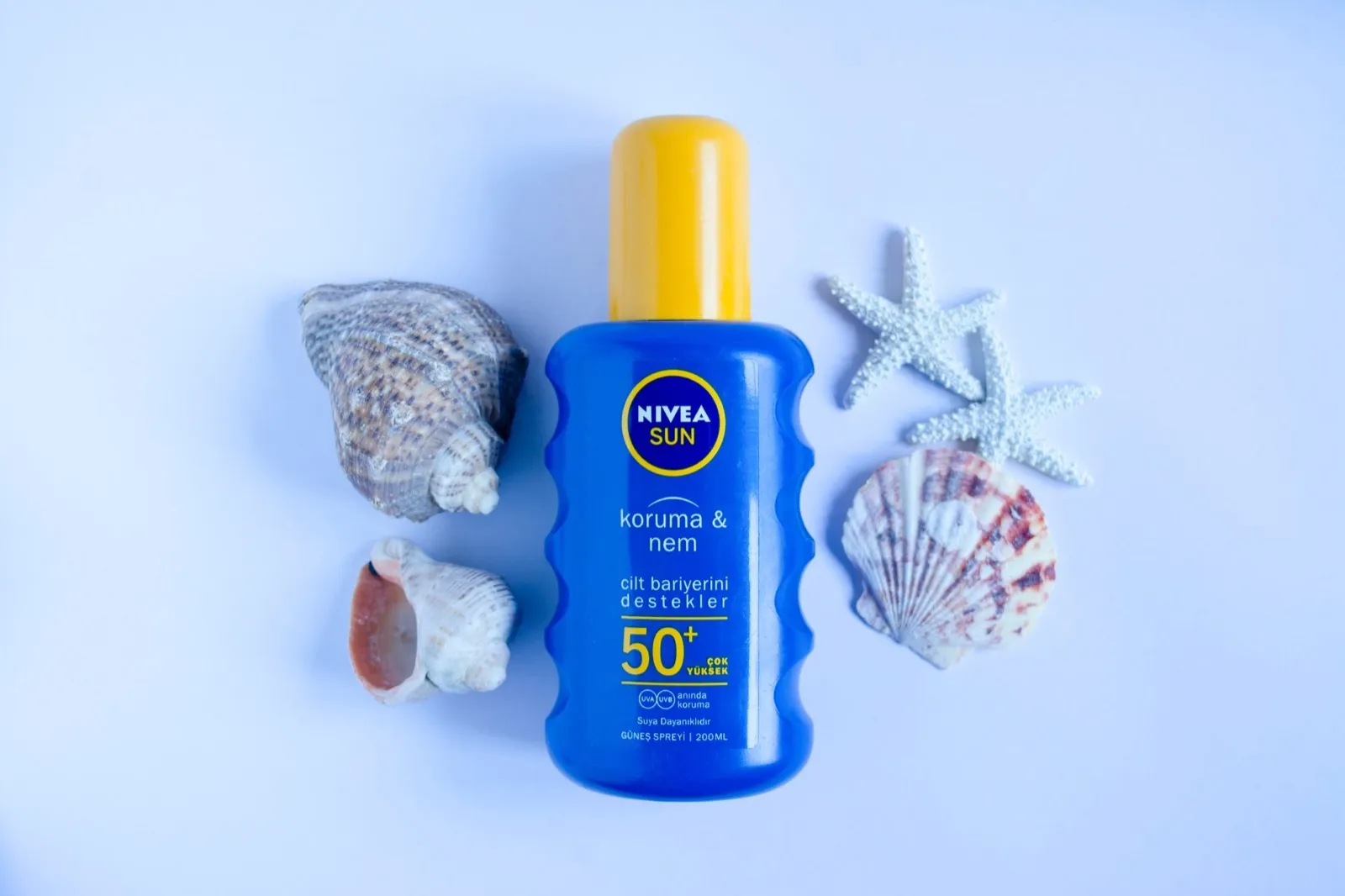
Image Credit: Pexels / Betül Üstün
For reliable sun protection, choose a sunscreen with at least SPF 30 and strong UVA protection. In the UK, look for four or five UVA stars or the letters UVA inside a circle. Apply it generously to exposed skin and reapply regularly, particularly after swimming, sweating or towel drying.
Sunscreen is an important part of a skincare routine, but it should not be your only protection. Shade, suitable clothing, a wide-brimmed hat and UV-protective sunglasses also help reduce exposure when the sun is strong.
What does SPF mean?
SPF stands for sun protection factor. It indicates the level of protection a sunscreen provides against ultraviolet B radiation, usually shortened to UVB.
UVB is strongly associated with sunburn and contributes to skin damage and skin cancer.
The SPF number does not tell you how many hours you can safely remain in the sun. The protection you receive also depends on:
- How much sunscreen you apply
- Whether you cover every exposed area
- How often you reapply it
- Whether it rubs or washes away
- The strength of the sun
- Your skin’s sensitivity to sunlight
- Whether you also use shade and clothing
No sunscreen provides complete protection. A high SPF should not be used as permission to remain in strong sunlight for longer.
What is the difference between UVA and UVB?
Sunlight contains different forms of ultraviolet radiation. UVA and UVB are the two types most relevant to everyday sun protection.
UVA radiation
UVA can contribute to:
- Premature skin ageing
- Changes in pigmentation
- Long-term skin damage
- Skin cancer risk
UVA can be present even when the weather does not feel especially hot. It can also pass through ordinary window glass more readily than UVB.
SPF alone does not describe UVA protection.
UVB radiation
UVB is a major cause of sunburn and also contributes to skin cancer.
Its strength varies according to factors such as:
- Time of day
- Season
- Location
- Altitude
- Cloud cover
- Reflection from water, snow and sand
A sunscreen should protect against both UVA and UVB rather than focusing on SPF alone.
What SPF should you use?
The NHS recommends choosing sunscreen with:
- SPF 30 or higher for UVB protection
- At least four-star UVA protection
A UVA symbol inside a circle indicates that the product meets the relevant European standard for UVA protection.
SPF 50 provides a higher level of UVB protection than SPF 30, but neither blocks all ultraviolet radiation.
You may prefer SPF 50 if:
- Your skin burns easily
- You have very fair skin
- You have a condition that increases light sensitivity
- You take medication that increases sun sensitivity
- You have a history of skin cancer
- You have been advised to use it by a healthcare professional
- You are spending prolonged time outdoors
- You are visiting a location with intense sunlight
- You find that you do not always apply enough product
The most useful sunscreen is one that provides suitable protection and that you are willing to apply generously and regularly.
Is SPF 30 enough?
SPF 30 is the minimum level generally recommended by the NHS and Cancer Research UK for sun protection in the UK. It should also offer strong UVA protection.
SPF 30 can be a suitable choice when it is applied correctly and combined with other protective measures. However, the protection shown on the bottle is based on controlled testing. Applying a thin layer may provide less protection than the label suggests.
SPF 50 can offer a little more margin for imperfect application, but it still needs to be applied generously and reapplied.
What does the UVA star rating mean?
The UK UVA star system usually ranges from one to five stars. A higher number of stars indicates stronger UVA protection relative to the product’s UVB protection.
For everyday use, look for:
- Four UVA stars
- Five UVA stars
- A UVA symbol inside a circle
The UVA circle indicates that the product meets a recognised European requirement for UVA protection. Do not choose sunscreen by SPF alone. A high SPF product with inadequate UVA protection does not provide the balanced coverage you should be looking for.
What does broad spectrum mean?
Broad-spectrum sunscreen is designed to protect against both UVA and UVB radiation. You may see this description on products sold internationally. In the UK, the UVA star rating or UVA circle provides more specific information about UVA protection.
Check the full label rather than relying on one phrase at the front of the bottle.
What is the UV index?
The UV index describes the strength of ultraviolet radiation from the sun at a particular place and time. A higher number means a greater risk of skin and eye damage.
In the UK, sun protection should be considered when the UV index reaches 3 or above. You can check the forecast through a reliable weather service.
The UV index can be high even when:
- The air feels cool
- The sky is partly cloudy
- There is a breeze
- You are not visibly tanning
- You do not feel your skin burning
Heat and ultraviolet radiation are not the same thing. A cool day can still have enough UV to damage unprotected skin.
Do you need sunscreen every day?
Daily facial sunscreen can be a useful habit, particularly during months when ultraviolet levels are high enough to cause skin damage.
Cancer Research UK notes that the sun can be strong enough to cause skin damage in the UK from around mid-March to mid-October.
Your need for sun protection depends on:
- The UV index
- How long you will be outdoors
- The time of day
- Your skin sensitivity
- Your location
- Whether you use medicines or treatments that increase sensitivity
- How much skin is exposed
You may choose to apply facial sunscreen routinely because this is easier than judging your exposure every morning. Sunscreen is still relevant on cloudy days because ultraviolet radiation can pass through cloud.
Do you need sunscreen in winter?
You may still need sunscreen during winter, particularly if:
- The UV index is 3 or above
- You spend a long time outdoors
- You are at high altitude
- You are around snow, which can reflect ultraviolet radiation
- You use light-sensitising treatments
- A healthcare professional has advised year-round protection
- You have melasma or another pigmentation concern affected by sunlight
UV levels are often lower during a typical UK winter, but they are not always absent. Use the UV index and your personal circumstances to guide your routine.
Do you need sunscreen indoors?
You may consider sunscreen indoors if you spend a substantial amount of time beside a bright window, particularly if you are concerned about UVA exposure or have been advised to maintain strict sun protection.
Ordinary windows block much of the UVB associated with sunburn, but some UVA can pass through glass. You do not necessarily need to apply sunscreen for an entire day spent away from windows. Your actual exposure matters.
Do you need sunscreen when it is cloudy?
Yes, you may still need sunscreen when the UV index indicates that protection is required. Clouds do not block all ultraviolet radiation. You can still burn or experience skin damage on an overcast day.
Check the UV forecast rather than deciding based only on how bright or hot the day feels.
Chemical and mineral sunscreen
Sunscreens are often described as chemical, mineral or hybrid. These labels refer to the ultraviolet filters used in the formula.
Chemical sunscreen
Chemical sunscreens use organic ultraviolet filters. They often have:
- Lightweight textures
- Transparent finishes
- Easy spreadability
- Less visible white residue
Some formulas may sting sensitive skin or eyes, although this depends on the individual product and person.
Mineral sunscreen
Mineral sunscreens use filters such as zinc oxide or titanium dioxide. They may suit people who prefer mineral filters or whose skin reacts to certain other sunscreen ingredients.
Possible disadvantages include:
- A visible white or grey cast
- Thicker texture
- Greater tendency to gather in facial hair
- A dry or heavy finish
Tinted mineral sunscreens can reduce visible white residue on some skin tones.
Hybrid sunscreen
Hybrid formulas combine different types of ultraviolet filters. They may offer a balance between cosmetic elegance, strong protection and comfortable wear.
No category is automatically best. The protection rating, application and suitability for your skin matter more than choosing sunscreen based on a broad marketing label.
How to choose sunscreen for your skin type
A suitable texture can make regular application much easier.
Sunscreen for oily skin
Look for descriptions such as:
- Lightweight
- Oil-free
- Non-comedogenic
- Gel
- Fluid
- Matte
- Dry touch
- Suitable for oily skin
A fluid or gel sunscreen may feel more comfortable than a rich cream. Allow it to settle before applying makeup. If your face becomes shiny, use a small amount of powder after the sunscreen has formed an even layer.
Do not apply less sunscreen to avoid shine. Choose a texture you can use in the required amount.
Sunscreen for dry skin
Dry skin may prefer:
- Cream sunscreen
- Hydrating sunscreen
- Moisturising sunscreen
- Fragrance-free formulas
- Products containing glycerin or other moisturising ingredients
You can apply moisturiser before sunscreen if the sunscreen alone does not feel comfortable. Allow each layer to settle. Too many rich products applied quickly may pill or make makeup slide.
Sunscreen for combination skin
A lightweight lotion or fluid often provides a useful balance. Apply moisturiser only where needed, then follow with sunscreen across the exposed face and neck.
You may prefer to:
- Use less moisturiser through the oily centre
- Add more hydration to dry cheeks
- Set the forehead, nose and chin with powder
- Leave dry areas less powdered
The sunscreen layer itself should remain even.
Sunscreen for sensitive skin
Choose a simple formula and introduce it carefully.
Look for:
- Fragrance-free sunscreen
- Products labelled for sensitive skin
- Mineral formulas if preferred
- Alcohol-free options if alcohol irritates your skin
- Products intended for the face
- Formulas designed for sensitive eyes
Marketing terms do not guarantee that a product cannot cause a reaction. Patch testing may help identify obvious irritation, although it cannot predict every response.
Stop using the product if you develop persistent burning, significant itching, swelling or a rash.
Sunscreen for acne-prone skin
Look for:
- Non-comedogenic sunscreen
- Oil-free formulas
- Lightweight fluids
- Gel creams
- Fragrance-free options
- Products suitable for acne-prone skin
Non-comedogenic means the formula is intended to be less likely to block pores. It does not guarantee that no one will develop spots.
Introduce one sunscreen at a time. This makes it easier to identify the cause if your skin becomes irritated or congested. A sunscreen you can wear consistently is more useful than one with a beautiful ingredient list that feels uncomfortable.
Sunscreen for mature skin
Mature skin may be dry, oily, sensitive or combination, so choose according to your actual skin type. Hydrating creams and lotions may feel comfortable on dry skin. Lightweight fluids can work well if you prefer less shine.
Tinted sunscreen may help even the appearance of the complexion, while an ordinary sunscreen can be layered beneath foundation. Sunscreen cannot reverse existing skin ageing, but reducing further ultraviolet exposure may help limit additional sun damage.
Sunscreen for darker skin tones
Every skin tone can be damaged by ultraviolet radiation. People with deeper skin tones may be less likely to burn quickly, but they can still experience sun damage, pigmentation changes and skin cancer.
Look for formulas that blend without leaving an unwanted white, purple or grey cast.
Options may include:
- Clear sunscreen fluids
- Invisible gels
- Tinted mineral sunscreen
- Hybrid formulas
- Sunscreens available in several tint shades
Test the product in daylight and allow it to settle before judging the finish. A tinted product should still provide the stated protection when applied in the required amount.
How much sunscreen should you apply?
Sunscreen needs to be applied generously.
The NHS advises adults to use approximately:
- Two teaspoons for the head, arms and neck
- Two tablespoons for the whole body while wearing a swimming costume
Apply enough to cover exposed skin evenly.
For the face, neck and ears, many people use the two-finger method as a practical guide. This involves applying lines of sunscreen along two fingers. However, the correct amount varies with the product, finger size and area covered.
Follow the manufacturer’s instructions and make sure you do not miss:
- Hairline
- Ears
- Sides of the face
- Jaw
- Neck
- Eyelids, if the product is suitable
- Around the nose
- Lips, using a suitable lip SPF
A thin, barely visible layer may not provide the protection shown on the label.
How to apply facial sunscreen properly
Step 1. Complete your morning skincare
Cleanse your skin if needed, then apply any serum or moisturiser you use. Allow the products to settle before sunscreen.
Step 2. Apply enough sunscreen
Distribute sunscreen across the:
- Forehead
- Cheeks
- Nose
- Chin
- Jaw
- Ears
- Neck
Add more if your upper chest is exposed.
Step 3. Spread it evenly
Use gentle movements to create a continuous layer. Avoid rubbing for so long that the sunscreen begins to roll away. Check around the hairline, eyebrows and sides of the nose.
Step 4. Allow it to settle
Follow the application timing on the product label before going outside. Allowing the product to dry can also make makeup application easier.
Step 5. Apply makeup carefully
Press or blend makeup over the sunscreen without aggressively disturbing the layer beneath it. Use thin layers of foundation and avoid repeatedly rubbing the same area.
When should sunscreen be applied?
Sunscreen should be the final step of your morning skincare routine and should normally be applied before makeup.
A simple routine might be:
- Cleanser
- Serum or treatment
- Moisturiser
- Sunscreen
- Makeup
Follow the instructions on your sunscreen regarding how long before sun exposure it should be applied. Many sun safety sources recommend applying it before going outdoors, then reapplying regularly.
Does sunscreen go before or after moisturiser?
Apply moisturiser first, then sunscreen. Sunscreen should form an even layer over your finished skincare routine. Allow moisturiser to absorb so the sunscreen does not mix unevenly or pill.
You may not need a separate moisturiser if your sunscreen is moisturising enough for your skin.
Does sunscreen go before or after makeup?
Sunscreen goes before makeup. Apply it after skincare, let it settle, then add primer or makeup if desired.
Foundation, concealer and powder should not replace sunscreen unless a product is specifically tested and labelled for sun protection and is applied in the required amount. Most people do not apply enough foundation to achieve the SPF printed on its packaging.
Can you mix sunscreen with moisturiser or foundation?
It is better not to mix sunscreen with another product unless the manufacturer specifically instructs you to do so.
Mixing may:
- Dilute the sunscreen
- Create uneven coverage
- Change how the protective film forms
- Make it difficult to know how much protection you are receiving
Apply moisturiser first, then sunscreen as a separate layer. Apply foundation after the sunscreen has settled.
How often should you reapply sunscreen?
Reapply sunscreen regularly during sun exposure. Many health authorities advise reapplying around every two hours and sooner after:
- Swimming
- Heavy sweating
- Towel drying
- Rubbing the skin
- Activities that remove the product
Even products labelled water-resistant or once daily may need topping up after wear, swimming or friction. The exact timing may vary according to the product instructions and your activity.
How do you reapply sunscreen over makeup?
Reapplication over makeup can feel awkward, but protection should take priority during meaningful sun exposure.
Possible methods include:
- Gently pressing sunscreen lotion over makeup with clean fingers
- Using a clean makeup sponge to press sunscreen onto the skin
- Choosing a lightweight sunscreen fluid
- Removing and reapplying makeup if you need reliable coverage
- Using a tinted sunscreen as the refreshed base
Sunscreen sprays, mists, sticks and powders can be convenient, but it may be difficult to apply enough of them evenly. Use them according to the label and do not assume a light mist provides the same coverage as a generous lotion application.
For prolonged outdoor exposure, a full and even reapplication is more reliable than a small cosmetic touch-up.
Is once-a-day sunscreen enough?
Do not assume that a product remains fully protective all day under every condition.
Sunscreen can be affected by:
- Sweat
- Swimming
- Towels
- Clothing
- Touching the face
- Movement
- Uneven initial application
Follow the label, but reapply if the sunscreen may have been removed.
Is water-resistant sunscreen waterproof?
No sunscreen should be treated as permanently waterproof. Water-resistant products are tested to retain a stated level of protection during limited water exposure. Swimming, sweating and towel drying can still reduce the protective layer.
Reapply after leaving the water and after drying yourself.
Does SPF in foundation provide enough protection?
Makeup containing SPF provides some protection when applied correctly, but most people use much less foundation than the amount required to achieve its labelled SPF.
For dependable protection, use a dedicated sunscreen underneath your makeup.
The British Association of Dermatologists notes that moisturiser and makeup containing SPF are better than no protection, but recommends high-SPF sunscreen for prolonged sun exposure.
Is moisturiser with SPF enough?
A moisturiser with SPF can provide protection if:
- It has suitable SPF and UVA protection
- It is applied evenly
- You use enough
- You cover every exposed area
- You reapply when needed
In practice, people often apply moisturiser more thinly and may miss areas such as the ears and sides of the face. A dedicated sunscreen may be easier to apply in the amount needed, especially before prolonged outdoor exposure.
Does sunscreen prevent tanning?
Sunscreen reduces the ultraviolet radiation reaching your skin, but no sunscreen blocks all UV.
You may still tan while wearing sunscreen, particularly if:
- You apply too little
- You miss areas
- You do not reapply
- The product rubs away
- You remain in strong sunlight for a long time
A tan is a sign that the skin has responded to ultraviolet exposure. It should not be treated as evidence of healthy or protected skin.
Can you still get sunburn while wearing SPF 50?
Yes.
Possible reasons include:
- Applying too little
- Missing part of the skin
- Failing to reapply
- Swimming or sweating
- Towel drying
- Using an expired product
- Remaining in strong sun for too long
- Relying on sunscreen without clothing or shade
SPF 50 offers high protection, but it is not a complete physical barrier.
Does sunscreen expire?
Yes. Check the expiry date and the period-after-opening symbol on the packaging.
Replace sunscreen if:
- It has expired
- The texture has separated unexpectedly
- The smell has changed
- The colour has changed
- The packaging is damaged
- It has been stored in excessive heat
- You cannot tell how old it is
Do not rely on an old bottle that has spent long periods in a hot car or direct sunlight. Store sunscreen according to the manufacturer’s instructions.
Can sunscreen cause spots?
A sunscreen may contribute to breakouts in some people, but this varies.
Try:
- A lightweight fluid
- A gel sunscreen
- A non-comedogenic formula
- An oil-free product
- A fragrance-free option
- Removing it thoroughly in the evening
Introduce one new product at a time. Breakouts can also be influenced by hormones, skincare, makeup, hair products, stress and medication.
Why does sunscreen sting your eyes?
Sunscreen may move into the eyes through sweat, facial movement or application too close to the lash line.
You could try:
- A sunscreen designed for sensitive eyes
- A mineral formula around the eye area
- Allowing the product to set before makeup
- Avoiding application inside the orbital area unless the product is suitable
- Wearing sunglasses and a hat
- Using less rich skincare beneath sunscreen
Do not reduce protection on exposed skin without replacing it with another suitable method.
If sunscreen enters your eye, rinse gently with clean water. Seek advice if pain, redness or blurred vision continues.
Why does sunscreen leave a white cast?
A white or grey cast may be caused by the ultraviolet filters, pigment or powder within the formula. It is more noticeable on medium and deep skin tones.
Try:
- A tinted sunscreen
- A transparent fluid
- A hybrid formula
- A product tested across diverse skin tones
- Applying it in sections while still using the full amount
- Allowing the sunscreen to settle before judging the finish
Do not apply less product simply to reduce the cast, as this may reduce protection.
Why does sunscreen pill?
Pilling occurs when products roll into small flakes or balls.
Possible causes include:
- Applying too many skincare layers
- Using too much moisturiser
- Not allowing products to settle
- Repeated rubbing
- Applying makeup too quickly
- Incompatible film-forming textures
- Dry or flaky skin beneath the products
Try simplifying your routine and reducing the amount of each product except the sunscreen. Apply sunscreen gently, allow it to settle, then press makeup over it rather than rubbing.
Is sunscreen safe for sensitive or reactive skin?
Many people with sensitive skin can find a suitable sunscreen, but it may require some testing.
Start with a fragrance-free product designed for sensitive skin. Patch test it on a limited area and introduce it when your skin is otherwise calm.
Stop using the product if you experience:
- Persistent burning
- Significant itching
- Swelling
- Blistering
- A worsening rash
Speak to a pharmacist, GP or dermatologist if reactions continue.
Is sunscreen safe during pregnancy?
Sunscreen is generally an important part of protecting exposed skin during pregnancy, particularly because some people notice increased pigmentation.
If you have concerns about a specific ingredient or product, ask a pharmacist, midwife or GP for individual advice. Choose a reputable product, follow its instructions and combine it with shade and protective clothing.
Sun protection for babies and children
Babies and children need particular care in strong sunlight.
Keep babies under six months out of direct strong sunlight as much as possible. Use shade and suitable clothing.
For older babies and children:
- Use shade
- Cover exposed skin with suitable clothing
- Use a wide-brimmed hat
- Protect the eyes with suitable sunglasses
- Apply sunscreen to exposed areas
- Reapply after water play, sweating and towel drying
Choose a product suitable for the child’s age and follow the label. Ask a pharmacist, health visitor or GP if a child has eczema, allergies or a previous sunscreen reaction.
Sunscreen is not the only form of sun protection
Do not rely on sunscreen alone.
When the sun is strong:
- Spend time in the shade
- Cover your shoulders
- Wear loose clothing
- Use a wide-brimmed hat
- Wear UV-protective sunglasses
- Avoid remaining outdoors for longer because you applied sunscreen
- Reapply sunscreen to exposed areas
In the UK, ultraviolet radiation is generally strongest around the middle of the day. NHS and Cancer Research UK guidance recommends extra care between approximately 11am and 3pm when the sun is strong.
Common sunscreen mistakes
Applying too little
A thin layer may provide less protection than the SPF shown on the bottle. Apply generously and evenly.
Missing exposed areas
Commonly forgotten areas include:
- Ears
- Hairline
- Neck
- Upper chest
- Hands
- Tops of the feet
- Around clothing straps
- Scalp where hair is thin
Forgetting to reapply
Sunscreen can wear away through water, sweat and friction. Top it up regularly during exposure.
Relying on makeup SPF
Foundation is rarely applied in a thick enough layer to act as your only sunscreen. Use dedicated sun protection underneath.
Using sunscreen to stay outside longer
Sunscreen reduces exposure but does not make prolonged strong sunlight risk-free. Use shade and clothing too.
Judging ultraviolet levels by temperature
Cool and windy conditions can still have a high UV index. Check the forecast.
Mixing sunscreen with another product
This may create uneven coverage or dilute the formula. Apply it as a separate layer.
Using an expired bottle
Old sunscreen may no longer perform as intended. Check the date and condition of the product.
Skipping sunscreen on darker skin
Every skin tone can experience ultraviolet damage. Choose a formula that blends well and use it correctly.
When to get professional help
Speak to a pharmacist, GP or dermatologist if sunscreen repeatedly causes significant irritation, burning, swelling, blistering or a persistent rash.
Seek medical advice about a new or changing mole, a mark that bleeds or itches, or a sore that does not heal.
Contact NHS 111 or seek medical advice if sunburn causes severe blistering, marked swelling, dizziness, vomiting, fever or signs of dehydration.
Seek urgent medical help if a product reaction causes difficulty breathing or swelling of the lips, mouth, tongue or throat.
Related reading
- Skincare Cleansers: How to Choose the Right Cleanser for Your Skin
- Skincare Moisturisers: How to Choose the Right Moisturiser for Your Skin
- How to Remove Makeup Properly: A Gentle Step by Step Guide
- Makeup by Skin Type: How to Choose and Apply the Right Products