Retinol Skincare Guide: Benefits, Side Effects and How to Use It Safely
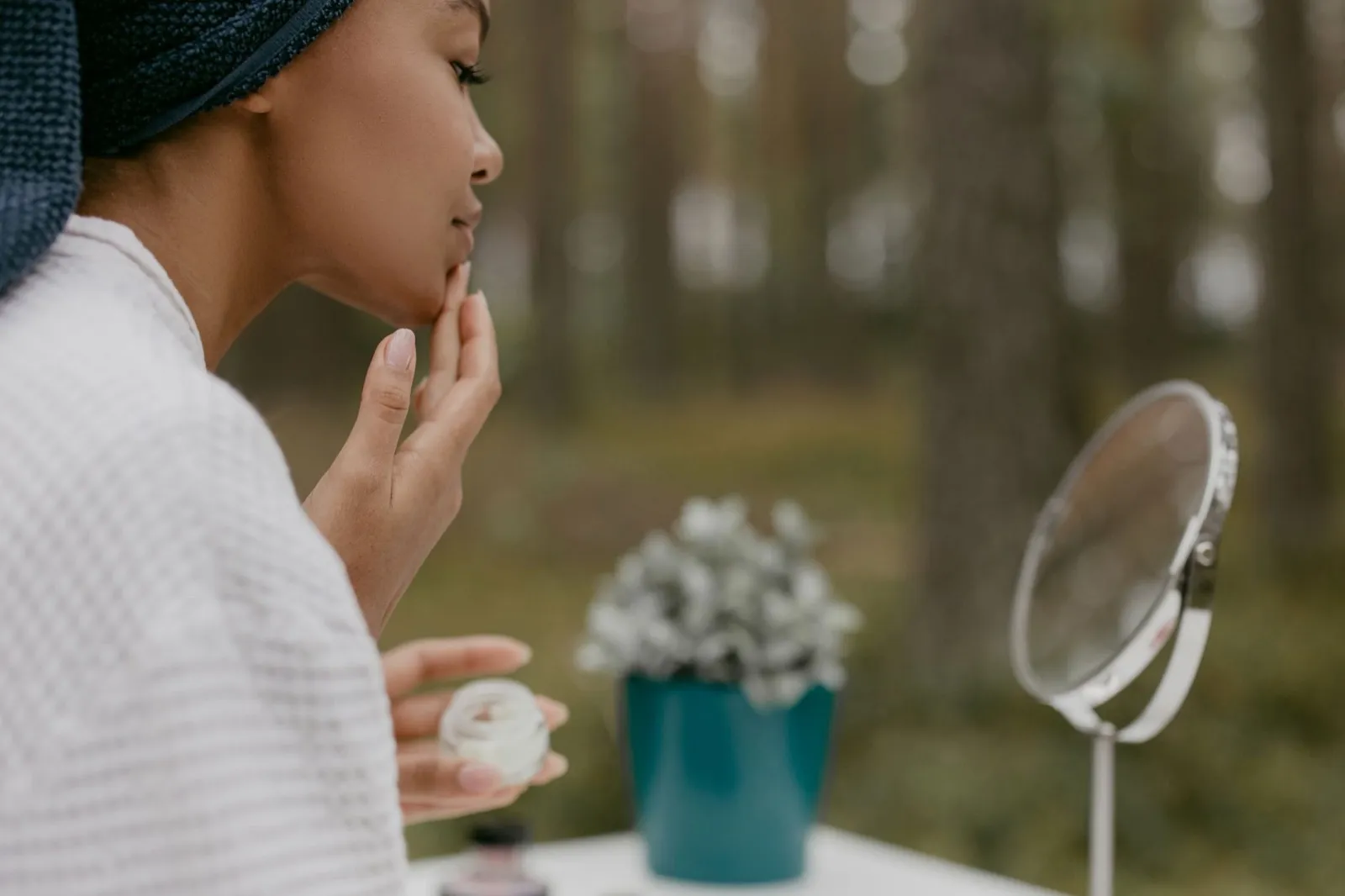
Image Credit: Pexels / cottonbro studio
Retinol is a form of vitamin A used in skincare products for concerns such as fine lines, uneven-looking pigmentation, rough texture and mild acne. It can be effective, but it may also cause dryness, peeling, redness and stinging, particularly when you first begin using it.
Start with a gentle formula once or twice a week at night. Apply a small amount to dry skin, follow with moisturiser and use suitable sunscreen during the day.
Retinol and other topical retinoids should not be used during pregnancy. Speak to a pharmacist, GP or dermatologist before using one if you are pregnant, planning a pregnancy, breastfeeding, treating a skin condition or already using prescription skincare.
What is retinol?
Retinol belongs to a family of vitamin A ingredients known as retinoids. The word retinoid is an umbrella term covering both cosmetic and prescription-strength ingredients.
Examples of retinoids include:
- Retinol
- Retinal, sometimes called retinaldehyde
- Retinyl esters
- Adapalene
- Tretinoin
- Tazarotene
- Trifarotene
- Isotretinoin
These ingredients are not interchangeable. They vary in strength, stability, intended use and likelihood of causing irritation.
Oral isotretinoin is a prescription medicine for severe acne and is very different from a cosmetic retinol serum. It carries significant risks and requires specialist medical supervision.
What does retinol do?
Retinol affects the way skin cells behave and renew themselves. With consistent use, it may help improve the appearance of:
- Fine lines
- Uneven skin texture
- Mild pigmentation
- Sun-damaged skin
- Clogged pores
- Mild acne
- Dull-looking skin
Retinoids can also support collagen production, which may soften the appearance of fine lines over time. Cosmetic products usually create gradual and subtle changes rather than dramatically lifting or tightening the skin.
Retinol is not an instant treatment. It normally needs regular use over time, and stronger products do not always produce better results if irritation prevents you from using them consistently.
Retinol and retinoids: What is the difference?
Retinol is one type of retinoid.
Cosmetic retinol
Retinol is widely available in serums, creams, eye creams, night treatments and facial oils. It must be converted within the skin before it reaches its active form. This generally makes it gentler than prescription tretinoin, although it can still cause considerable irritation.
Retinal
Retinal, also called retinaldehyde, requires fewer conversion steps than retinol. It may act more directly, but the overall strength still depends on the concentration and formulation.
Retinyl esters
Retinyl palmitate and other retinyl esters are often considered milder vitamin A derivatives. They may suit someone who wants a gentle introduction, although results can be more subtle.
Prescription topical retinoids
Prescription retinoids include tretinoin, tazarotene and some acne treatments. They are used for specific medical or dermatological reasons and should be applied according to professional advice.
Adapalene is a topical retinoid used for acne. Availability without prescription varies by country.
What strength of retinol should a beginner use?
Retinol percentages are not directly comparable across every brand because formulation, packaging and stability influence how a product performs.
A lower-strength product is generally a sensible starting point. Common cosmetic strengths may include:
- 0.1% retinol
- 0.2% retinol
- 0.3% retinol
- 0.5% retinol
- 1% retinol
A beginner may prefer a low concentration such as 0.1% to 0.3%, used infrequently at first. Do not assume that 1% is automatically better. A lower-strength formula used consistently may be more useful than a strong product that repeatedly leaves your skin sore and peeling.
Start with the least intense formula and gradually increase use only as tolerated.
Who may benefit from retinol?
Retinol may suit people concerned about:
- Early fine lines
- Uneven-looking skin tone
- Mild sun damage
- Rough texture
- Clogged pores
- Mild breakouts
- Loss of radiance
It is not essential for healthy skin. A simple routine with a gentle cleanser, moisturiser and sunscreen is enough for many people.
You do not need to begin retinol at a particular age. Choose it because it addresses a concern you have, not because social media suggests everyone should use it.
Who should avoid retinol?
Retinol may not be suitable if:
- You are pregnant
- You are planning a pregnancy
- Your skin is currently very irritated
- You have active eczema or dermatitis in the area
- Your skin is sunburnt
- You recently had a strong peel or resurfacing procedure
- You use another prescription retinoid
- A healthcare professional has advised you against it
- You cannot protect your skin appropriately from sunlight
- You have previously had a significant reaction to vitamin A skincare
Speak to a pharmacist, GP or dermatologist if you are unsure.
Can you use retinol during pregnancy?
Topical retinoids should not be used during pregnancy. UK safety guidance also advises women and girls not to use them while planning a pregnancy. This cautious advice applies to prescription topical retinoids and skincare products containing retinol.
If you have used retinol before realising you were pregnant, stop using it and speak to your midwife, pharmacist or GP. Do not panic. Absorption from correctly used topical products is generally low and inadvertent exposure does not automatically mean that harm has occurred. Individual advice is still important.
Can you use retinol while breastfeeding?
Advice about topical retinoids during breastfeeding can depend on the specific ingredient, strength, treatment area and reason for use. Speak to a pharmacist, GP or dermatologist before starting or restarting retinol while breastfeeding.
Do not apply a retinoid to the breast, nipple or any area that could come into direct contact with the baby’s skin or mouth.
How to introduce retinol to your routine
The gentlest approach is to begin slowly and keep the rest of your routine simple.
Week 1 to 2
Use retinol once a week at night. Watch for:
- Persistent burning
- Significant redness
- Painful peeling
- Swelling
- A worsening rash
Mild dryness may occur, but your skin should not feel injured.
Week 3 to 4
If your skin remains comfortable, increase to twice a week. Leave several nights between applications, such as Monday and Thursday rather than consecutive evenings.
After the first month
You may gradually increase to every other night if your skin tolerates it and the product instructions allow. Daily use is not necessary for everyone. Many people achieve a manageable routine using retinol two or three times a week.
Do not increase the strength and frequency at the same time.
How to use retinol step by step
Step 1. Cleanse gently
Wash your face with a mild cleanser and lukewarm water. Avoid using a scrub, exfoliating cleansing brush or strong acid cleanser on the same evening.
Step 2. Let your skin dry
Pat your face dry and allow it to become fully dry before applying retinol. Applying a retinoid to damp skin may increase penetration and irritation.
Step 3. Use a small amount
Follow the product instructions. For many facial retinoid products, a pea-sized amount is enough for the whole face. More product will not necessarily create faster results, but it may increase irritation.
Place small dots across the forehead, cheeks and chin, then spread them into a thin layer.
Step 4. Avoid sensitive areas
Unless the product is specifically designed for them, avoid:
- Eyelids
- Corners of the eyes
- Lips
- Corners of the nose
- Broken skin
- Irritated patches
You can apply a little moisturiser or petroleum jelly to vulnerable areas first to reduce accidental spread.
Step 5. Apply moisturiser
Follow with a gentle moisturiser. Choose a simple formula without exfoliating acids or strong fragrance if your skin is easily irritated.
Step 6. Use sunscreen the next day
Apply a broad-spectrum sunscreen with at least SPF 30 and suitable UVA protection. Sunscreen does not make an irritating routine safe, but it is an essential part of protecting skin while using a retinoid.
What is the retinol sandwich method?
The retinol sandwich method places retinol between two layers of moisturiser:
- Moisturiser
- Retinol
- Moisturiser
This may reduce irritation by slowing contact between the retinol and skin. It can be helpful for dry or sensitive skin, beginners and people returning to retinol after a break.
Allow the first layer of moisturiser to settle before applying retinol. The method may slightly reduce the intensity of the application, but a tolerable routine is often more useful than an aggressive one.
Should retinol be used in the morning or at night?
Retinol is usually applied at night. Some retinoid ingredients and formulas may be affected by light, and night-time application also makes it easier to separate retinol from potentially irritating daytime products.
Check the packaging, as formulation instructions vary. Your daytime routine should include sunscreen, particularly when the UV index indicates that protection is needed.
Where does retinol go in a skincare routine?
A simple retinol evening routine may look like this:
- Gentle cleanser
- Moisturiser, if using the sandwich method
- Retinol
- Moisturiser
You do not need several serums on the same evening. If you use prescription skincare, follow the order provided by your prescriber rather than a general beauty routine.
Can you use retinol every night?
Some people eventually tolerate nightly use, but many do not need to use retinol every evening.
Using it too frequently may cause:
- Redness
- Dryness
- Peeling
- Stinging
- Burning
- Increased sensitivity
- A damaged-feeling skin barrier
Begin slowly and increase only if your skin remains comfortable. If irritation develops, pause or reduce the frequency rather than trying to push through painful symptoms.
How long does retinol take to work?
Retinol results are gradual. You may need several weeks or months of consistent use before noticing changes in texture, breakouts, pigmentation or fine lines.
The exact timing depends on:
- The concern being treated
- Product strength
- Formula stability
- Frequency of use
- Your skin’s tolerance
- Other skincare products
- Sun protection
- Whether you are using cosmetic or prescription retinoids
Do not apply more in an attempt to speed up the process. Prescription topical retinoids used for acne may require a number of weeks before clear improvement is seen.
What are the common side effects of retinol?
Common reactions can include:
- Dryness
- Flaking
- Tightness
- Mild redness
- Stinging
- Increased sensitivity
- Irritation around the eyes, nose or mouth
A little dryness can occur during the adjustment period, but significant pain, swelling, blistering or a widespread rash is not something to ignore.
What is retinisation?
Retinisation is a beauty term used to describe the adjustment period after starting a retinoid. During this time, you may notice dryness, mild peeling, tightness, redness and increased sensitivity.
These symptoms should remain manageable. Severe irritation is not proof that the product is working. If your face feels raw, painful or intensely inflamed, stop using the retinol and allow your skin to recover.
Does retinol cause purging?
Some people notice more blemishes after starting a retinoid, particularly if they already have clogged pores or acne. This is sometimes described as purging. However, not every breakout after a new product is a purge.
The product may instead be irritating your skin, too rich for you, used too frequently, combined with too many active ingredients, causing contact dermatitis or unrelated to the timing of your breakouts.
Speak to a pharmacist, GP or dermatologist if acne becomes severe, painful or continues to worsen.
What should you do if retinol irritates your skin?
Stop or reduce the product and simplify your routine.
Use:
- A gentle cleanser
- A fragrance-free moisturiser
- Suitable sunscreen
- No scrubs or exfoliating acids until the skin recovers
Avoid picking at flakes, applying more retinol, strong facial treatments, harsh cleansing brushes, very hot water and several new products.
Once your skin feels comfortable, you may try a lower strength or less frequent application. Do not restart if the reaction involved swelling, blistering or a significant rash without seeking professional advice.
Can you use retinol with other skincare ingredients?
Vitamin C
Retinol and vitamin C can be part of the same overall routine, but using both together may irritate sensitive skin. A simple approach is vitamin C in the morning and retinol at night. Introduce one product first and allow your skin to adjust before adding the other.
Niacinamide
Many people can use retinol and niacinamide in the same routine. Niacinamide is often included in moisturisers and may help support the skin barrier.
You could apply cleanser, niacinamide serum, retinol and moisturiser. Alternatively, use a moisturiser containing niacinamide after retinol. Stop or simplify the routine if the combination causes irritation.
Hyaluronic acid
Hyaluronic acid can usually be used alongside retinol. It is a humectant that helps hold water in the upper layers of the skin. Apply it according to the product instructions, then use moisturiser. It does not prevent all retinol irritation, so you should still begin slowly.
Salicylic acid
Both ingredients may cause dryness and irritation. If you are new to either product, avoid using them during the same routine. You might alternate salicylic acid on one evening, a recovery night, and retinol on another evening.
Glycolic acid
Retinol and glycolic acid can both irritate the skin. Avoid beginning them together. If your skin eventually tolerates both, use them on separate nights unless a qualified professional recommends a specific routine.
Do not use glycolic acid to remove retinol peeling. This is likely to worsen the irritation.
Benzoyl peroxide
The answer depends on the specific products and treatment plan. Some acne routines deliberately combine retinoids and benzoyl peroxide, while other formulas may be irritating or less effective when layered together.
Use combination prescription products exactly as directed. For separate over-the-counter products, ask a pharmacist or dermatologist how to schedule them.
Two retinoids
Do not layer multiple retinoid products unless a dermatologist specifically tells you to. Avoid combining retinol serum and retinal cream, retinol and adapalene, cosmetic retinol and prescription tretinoin, or two different retinol serums.
Using more than one may greatly increase irritation without adding useful benefits.
Can you use retinol around the eyes?
The eye area is delicate and easily irritated. Use only a product specifically designed for that area, and follow its instructions carefully.
Avoid applying ordinary facial retinol directly to eyelids, lash lines, inner corners or very close to the eyes. Retinoid products can migrate slightly after application, so leave a comfortable margin around the eye area.
Stop using the product if you develop persistent dryness, swelling, eye irritation or changes in vision.
Can you apply retinol to the neck, hands or chest?
The neck may be more sensitive than the face. Begin with a low-strength product once a week, use moisturiser and avoid recently shaved, irritated or broken skin.
Some people use retinol on the backs of the hands or upper chest for uneven texture or visible sun damage. These areas can still become irritated and receive substantial sun exposure, so moisturise and protect them with sunscreen and clothing.
Do not apply retinol to a new, changing or unexplained skin mark in an attempt to treat it yourself.
Does retinol thin the skin?
Retinol may temporarily make the outer surface feel more delicate during the adjustment period because of dryness and peeling. This is different from permanently thinning healthy skin.
Retinoids are also associated with processes that support collagen production within the skin. If your skin feels fragile, sore or persistently inflamed, reduce or stop the product and seek advice.
Does retinol make skin sensitive to the sun?
Retinoids can irritate the skin, and irritated skin may be less comfortable in sunlight. Prescription guidance advises avoiding excessive sun and ultraviolet exposure while using topical retinoids.
Use broad-spectrum sunscreen, seek shade and wear protective clothing. Do not use sunscreen as a reason to continue a retinol routine that is making your skin raw or inflamed.
Should you stop retinol before waxing, a facial or a peel?
Retinoids can make the skin more prone to irritation and surface injury from facial waxing. Tell the beauty professional that you use retinol or a prescription retinoid before booking.
Tell the practitioner about every retinoid and active skincare product you use. You may be asked to stop retinol before chemical peels, laser treatments, microneedling, dermaplaning, strong exfoliating facials or waxing.
The required break depends on the procedure and product. Do not hide retinoid use from the practitioner, as this may increase the risk of irritation or injury.
How should retinol be stored?
Follow the storage instructions on the packaging. Many retinol products are sensitive to light, air or heat.
Packaging may include opaque tubes, dark bottles, airless pumps or tightly sealed containers. Keep the product away from direct sunlight and excessive heat.
Replace it if the colour, smell or texture changes unexpectedly or if it has passed its expiry date or recommended period after opening.
How to choose a retinol product
Look beyond the percentage on the label. Consider:
- Product strength
- Packaging
- Formula texture
- Added fragrance
- Your skin type
- Other active ingredients
- Instructions for frequency
- Whether the product is designed for the face or eye area
- Whether the brand gives clear safety information
- Whether you can use it consistently within your budget
A cream may suit dry skin, while a lightweight serum may appeal to oily skin. Sensitive skin may benefit from a low-strength, fragrance-free formula in protective packaging.
Common retinol mistakes
Avoid:
- Starting with the strongest product
- Using it every night immediately
- Applying too much
- Applying it to damp skin
- Combining several strong ingredients
- Skipping moisturiser
- Ignoring sunscreen
- Continuing through severe irritation
- Using it during pregnancy
- Expecting immediate results
- Changing strength every few weeks
A high concentration can cause irritation that makes regular use impossible. Painful peeling, swelling and blistering are not desirable adjustment signs. Stop using the product and seek advice if necessary.
A simple beginner retinol routine
Morning
- Gentle cleanser or water rinse
- Moisturiser
- Broad-spectrum sunscreen with at least SPF 30 and strong UVA protection
- Makeup, if desired
Retinol evening
- Gentle cleanser
- Allow skin to dry
- Moisturiser, if using the sandwich method
- A small amount of retinol
- Moisturiser
Recovery evening
- Gentle cleanser
- Hydrating serum, if tolerated
- Moisturiser
A recovery evening gives your skin a break from strong active ingredients.
When to get professional help
Speak to a pharmacist, GP or dermatologist before using retinol if you have eczema, rosacea, severe acne, recurrent dermatitis or another skin condition.
Seek advice if you develop:
- Persistent burning
- Significant swelling
- Blistering
- A painful rash
- Cracked or weeping skin
- Severe worsening of acne
- Eye irritation that does not settle
- Symptoms that continue after stopping the product
Seek urgent medical help if a skincare reaction causes difficulty breathing or swelling of your lips, mouth, tongue or throat.
Do not use topical retinoids during pregnancy. If you become pregnant while using retinol or another topical retinoid, stop the product and contact your midwife, pharmacist or GP for individual guidance.
Related reading
- Skincare Cleansers: How to Choose the Right Cleanser for Your Skin
- Skincare Moisturisers: How to Choose the Right Moisturiser for Your Skin
- Skincare SPF Guide: How to Choose and Apply Sunscreen Properly
- Makeup by Skin Type: How to Choose and Apply the Right Products