Cosy Hobbies for Autumn and Winter
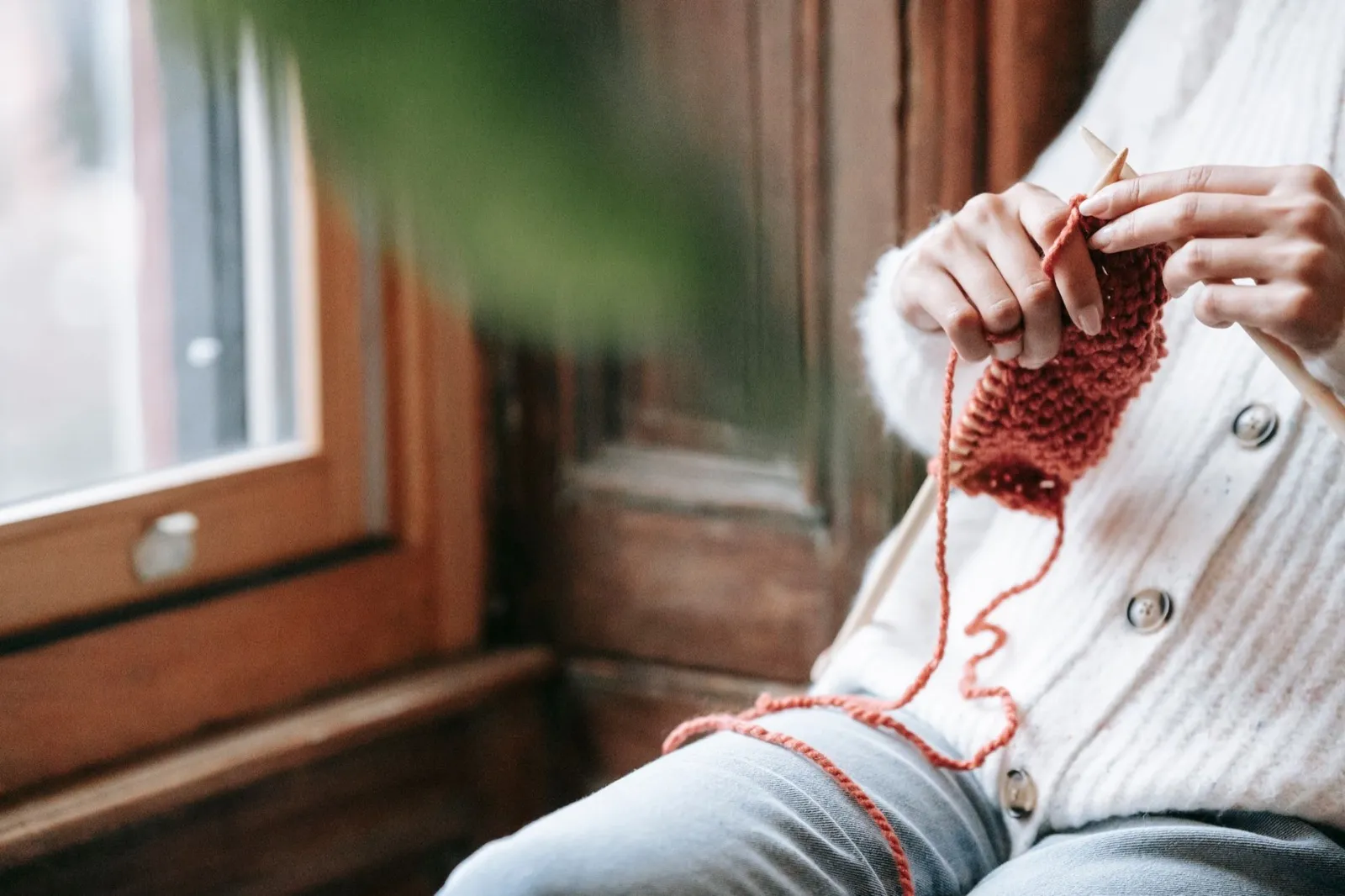
Image Credit: Pexels / Miriam Alonso
Cosy hobbies are not a command to enjoy dark evenings or make every cold day picturesque. They are simply activities that can add warmth, interest and a little texture when you are spending more time indoors. Pick what feels comforting, skip what creates pressure and let an ordinary evening be ordinary when that is what you need.
The best seasonal hobby is usually small and repeatable: a library book, a simple soup, a half-finished scarf, a puzzle on a tray or a weekend walk with a thermos. It does not need a matching aesthetic, a large shopping trip or a social-media post.
Read, listen and collect stories
Autumn and winter are a natural time to borrow fiction, memoirs, poetry, comics and audiobooks from your library. Make a small seasonal stack, but do not force yourself through books because they fit a theme. A short detective novel, a comfort reread or an audiobook while you cook all count.
Try a reading notebook with only three notes per book: a line you liked, a question and whether you would recommend it to someone. If you want gentle company, check your library for a book group or arrange a monthly shared read with one friend. LibraryOn notes that libraries often host hobby and interest groups, including reading groups and crafts.
Local history is another good cold-weather hobby. Search digitised maps, old photographs, museum collections and archive material for your town or a street you know. Make a folder of sources, not a pressure-filled research project.
Make things slowly
Knitting, crochet, mending, embroidery and hand sewing are popular in colder months because they are portable and easy to pause. Start with a basic stitch, a repaired button or a small square. Borrow a beginner book, ask a craft group or follow one clear tutorial. Buy one ball of yarn rather than an entire project’s worth until you know you enjoy the process.
For a screen-free alternative, try collage, watercolour, colouring, clay, paper stars or simple bookbinding. Keep a basket with modest materials near where you sit. A creative hobby works better when the beginning is visible and there is little tidying before you can start.
Jigsaws, crosswords and board games offer a different kind of absorbed quiet. Choose a jigsaw you can complete in sections, use a tray if table space is tight and swap finished puzzles with friends or a library group.
Cook and bake for warmth, not perfection
Make one seasonal dish you genuinely enjoy: soup, roasted vegetables, a crumble, scones, bread or a slow-cooked stew. Borrow a cookbook, choose recipes with ingredients you can use again and keep food safety simple and practical. Cooking is still a hobby if the result is not beautiful.
Create a handwritten collection of reliable cold-weather meals. Include the easy food you turn to on low-energy days as well as recipes you like to make slowly. A hobby should not make you feel you have failed because you ordered dinner or used a jarred sauce.
Tea, coffee and hot chocolate tasting can be another quiet ritual. Compare two varieties, notice what you like and enjoy the process without turning it into an expensive collection.
Stay connected without making a big plan
Host a low-key film night, soup-and-bread supper, puzzle afternoon or craft evening. Invite one or two people, make the plan short and keep the food simple. If hosting is not comfortable, suggest a library event, museum visit, local talk or walk with a warm drink afterwards.
Community choirs, games groups, repair cafés and craft circles can be especially welcome during darker months. Ask about beginner access, cost, travel and what to bring. You are allowed to go once, sit quietly and decide later whether to return.
Go outdoors in small doses
Cold weather does not make outdoor hobbies impossible, but it does call for practical planning. Take a short daylight walk, notice bare branches and winter birds, visit a park, photograph interesting light or follow a local heritage trail. Check weather and surface conditions, wear layers and choose a route that feels safe.
Gardening changes rather than stops. You might plan containers, clear a small bed, care for houseplants, collect seeds or visit a public garden. Avoid framing outdoor time as a test of toughness. Some days the most pleasant seasonal hobby is looking at the rain from a warm room.
Build a gentle seasonal rhythm
Choose one weekday and one weekend option. For example, read for twenty minutes on Tuesday and take a Saturday morning walk; mend on Thursday and cook soup on Sunday. The rhythm should make life easier to inhabit, not fill it with obligations.
If you feel a dip in energy during darker months, make choices smaller: an audiobook rather than a book club, a postcard-sized drawing instead of a project, a five-minute balcony check instead of gardening. Allowing the hobby to shrink keeps it available.
Use the season as a source of ideas
Notice what is particular to this part of the year without needing to turn it into a performance. You might collect fallen leaves for a drawing reference, learn the names of winter birds, visit a local market, photograph early dusk, make a list of films set in cold places or research the history of a seasonal tradition. A small theme can make familiar days feel less repetitive.
If you enjoy making gifts, choose projects that remain pleasant even if you keep them yourself: a baked treat, a repaired item, a simple card or a knitted square. Deadlines can drain the ease from a hobby. Give yourself permission to buy a card, simplify the plan or finish after the season has passed.
Winter hobbies can be social at a low volume, too. Suggest a short daytime museum visit, a library talk, a board game with one friend or a walk followed by something warm. The aim is not to make your calendar full. It is to have a few options that feel friendly when you want them.
Keep your supplies modest
Seasonal displays can make hobbies look as though they require a new collection of mugs, candles, yarn and decorations. Start with what you have: a library book, old magazines for collage, a familiar recipe, a puzzle swap or a pot of herbs. Add something only when it will genuinely help you return to the activity.
Make storage part of the choice. A project that fits in a basket, drawer or tray is easier to enjoy in a small home. If you share space, choose activities that can pause easily and agree where materials can live. Practical limits are not a failure of imagination; they help a hobby remain restful.
Have a plan for low-energy evenings
Make a short list of activities that need almost no preparation: reread a favourite chapter, listen to an audiobook while mending, do a crossword, organise a small collection of photographs or make a warm drink and write three lines about the day. Keep the materials together so the hobby does not require a decision-heavy start.
It can also help to choose between comfort and stimulation. On one evening, you may want the familiarity of a jigsaw or comfort film. On another, you may want a new recipe, an unfamiliar author or a local talk. Both are worthwhile. Let the season offer options rather than a narrow idea of what cosy time should look like.
If a hobby involves candles, cooking or tools, use ordinary safety habits: keep flames attended, use a clear work surface and stop when you are too tired to focus. A calm evening is not improved by rushing.
Frequently asked questions
What are the cosiest hobbies at home?
Reading, audiobooks, knitting, mending, puzzles, baking, drawing, journalling and simple crafts all work well at home. Choose what feels pleasant to set up, not what looks most seasonal.
How can I enjoy winter without spending money?
Use your library, take themed local walks, cook with pantry ingredients, make collage from old paper, swap puzzles and books, or join free community events. Cosiness does not need shopping.
What if I dislike winter?
You do not have to love it. A small indoor interest, light exposure during the day and contact with people you care about may make the season more manageable, but persistent low mood deserves professional support.
When to get professional advice
If low mood, sleep changes, anxiety, loss of interest or difficulty coping persists or worsens during autumn and winter, speak to a GP or qualified mental health professional. Seek urgent help if you feel unable to keep yourself safe. Hobbies can offer comfort but are not treatment.
Related reading
- Hobbies You Can Do at Home When You’re Bored
- Creative Hobbies for Adults Who Need a Break From Screens
- How to Have a Self-Care Day at Home