Second-Hand Shopping: How to Find Clothes You'll Actually Wear
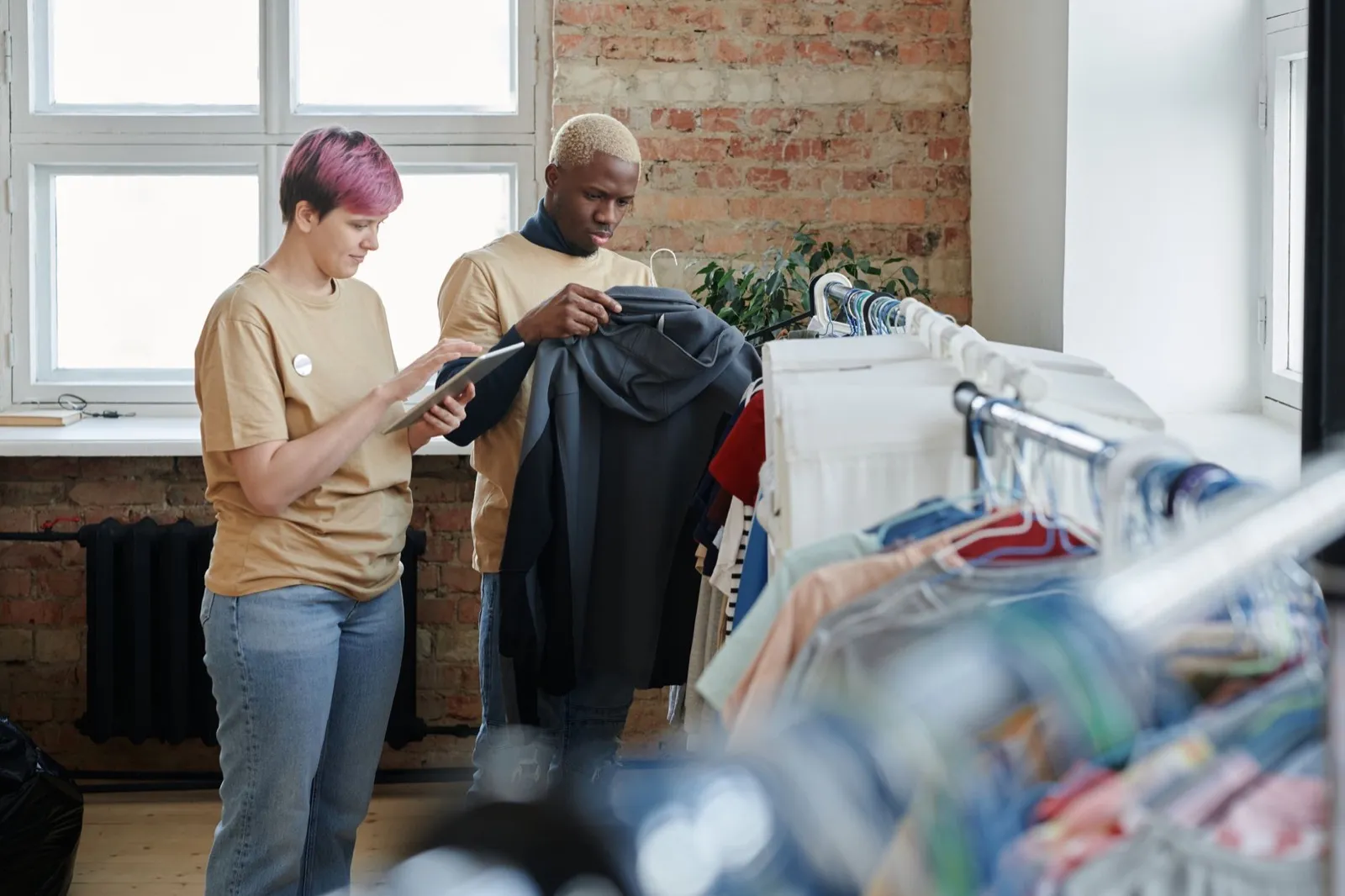
Image Credit: Pexels / Julia M Cameron
Second-Hand Shopping: How to Find Clothes You’ll Actually Wear
Second-hand shopping can be brilliant for finding clothes at lower prices, discovering styles that are no longer in current collections and adding something a little different to your wardrobe. The difficult part is not finding clothes. It is finding pieces you will genuinely wear once the excitement of the search has passed.
The simplest approach is to shop second-hand much as you would shop anywhere else. Know roughly what you need, keep your real wardrobe in mind, check the condition carefully and do not let a low price or an interesting label persuade you to buy something that does not suit your life.
A great second-hand find is not simply something inexpensive. It is something you are pleased to keep wearing.
Start with a short shopping list
Second-hand shops and resale listings can present you with hundreds of unrelated options at once. Going in with a little direction makes the search much easier.
Before you shop, look at your wardrobe and note any genuine gaps.
Your list might include:
- Straight-leg jeans
- A lightweight jacket
- A cardigan for work
- A black evening bag
- Comfortable leather boots
- A dress for an upcoming event
Keep the list flexible. One of the pleasures of second-hand shopping is finding something you were not expecting.
The list is there to stop every interesting item from feeling like an opportunity you should take.
Know what you already wear
Your existing wardrobe is one of the best guides to what you are likely to wear again.
Look at the pieces you reach for most often.
What do they have in common?
Perhaps you repeatedly choose relaxed shirts, wide-leg trousers and simple trainers. Maybe you enjoy fitted knitwear, midi skirts and boots. You might wear colour constantly, or prefer a mostly neutral wardrobe with a few brighter pieces.
There is no correct formula.
Knowing your own patterns simply makes it easier to recognise a useful second-hand find.
If you never wear blazers, finding an expensive blazer for a fraction of its original price does not necessarily make it a good purchase for you.
Search by category rather than endlessly browsing
Online second-hand shopping can become overwhelming quickly.
If you know what you need, use specific searches and filters where available.
Searching for a category, colour, approximate size, material or style can narrow the options considerably. If you are looking for a navy wool coat, for example, starting there is likely to be more useful than scrolling through every coat available.
Try not to make your search so narrow that you miss good alternatives, though.
Sizing can vary considerably between brands, eras and individual garments. A labelled size is useful information, but it should not always be your only filter.
Measurements can be especially helpful when shopping online.
Use measurements for online second-hand shopping
Buying pre-owned clothing online means you often cannot try the garment on before committing.
Measurements can reduce some of the guesswork.
If a listing includes them, compare the garment measurements with a similar item you already own and like wearing.
For example, you might compare:
- Waist
- Hip
- Rise
- Inside leg
- Chest width
- Shoulder width
- Sleeve length
- Overall garment length
The measurements that matter will depend on the item.
If important information is missing and the selling platform allows questions, you may prefer to ask the seller before purchasing rather than relying only on the size printed on the label.
Look past the size label in shops
Second-hand rails often contain clothing from different brands, countries and time periods, so the numbers on labels may not correspond neatly.
If possible, judge the garment visually and try it on.
You may find useful pieces in several labelled sizes depending on the cut, fabric and brand.
This is not about making your body fit a particular number. The label is simply information attached to the garment.
What matters is whether the clothes fit and feel the way you want them to now.
Check high-wear areas carefully
Pre-owned clothing has already had a life, so condition deserves a closer look.
Start with the areas that tend to receive repeated contact or friction.
On tops and jackets, inspect:
- Collars
- Cuffs
- Underarms
- Elbows
- Pocket edges
- Fastenings
On trousers and jeans, look at:
- Knees
- Hems
- Waistbands
- Pockets
- Inner thighs
- Zips and buttons
For knitwear, check the surface for holes, pulls and areas that have become noticeably thin.
Signs of wear do not automatically make an item unsuitable. Some people are perfectly happy with visible wear, particularly on denim, leather or casual pieces.
The useful question is whether the condition is acceptable to you for the price being asked.
Decide which repairs you will genuinely do
A missing button or loose hem may be an easy fix.
A broken zip, large tear, significant stain or damaged knit can require more work.
Before buying something that needs attention, ask yourself whether you will realistically repair it.
If you sew regularly or already use a local alterations service, a small fault might not bother you at all. If you have a pile of clothes waiting to be repaired at home, another project may not be the bargain it first appears to be.
For alterations you cannot do yourself, remember that the eventual cost of the garment includes the repair as well as the purchase price.
Inspect the fabric and construction
Second-hand shopping gives you one useful advantage: the garment has already been worn or stored for some time.
That can reveal things you might not see in a brand-new item.
Look at whether the fabric has retained its shape. Check seams for pulling and inspect hems, buttons and zips.
Read the fibre-content label if it is still present, along with the care instructions.
A familiar brand name is not enough reason to skip these checks. Quality can vary between individual products and ranges, and condition matters just as much when you are buying something pre-owned.
Judge the garment in front of you.
Think in outfits before buying
An unusual second-hand piece can be exciting precisely because you have not seen anything similar in current shops.
Before paying, picture how you would wear it.
Can you think of two or three outfits using clothes you already own?
A printed blouse might work with your jeans, work trousers and favourite skirt. A vintage-style jacket might fit naturally over several dresses you already wear.
You do not need to make everything match everything else.
The aim is simply to check that the new piece has somewhere to go once it enters your wardrobe.
If you need to buy trousers, shoes and a bag before you can wear your bargain top, it may not be quite the bargain you imagined.
Do not buy something only because of the label
Finding a recognisable or expensive brand second-hand can feel particularly satisfying.
That can also make it easy to overlook the garment itself.
Try mentally covering the label.
Would you still like the fabric, colour, cut and condition?
Would you still consider buying it at the second-hand price?
If yes, the brand may simply be a nice extra. If not, you may be responding more to the name than to something you will actually wear.
The same principle applies to vintage labels, limited collections and pieces that originally had high retail prices.
Interesting provenance can add enjoyment, but it does not have to determine the purchase.
Be realistic about special-occasion clothes
Second-hand shops can be particularly tempting for evening dresses, statement jackets and unusual accessories.
If you have a real event coming up, this can be a useful place to look.
If you do not, pause before buying an occasion piece simply because it feels rare.
Ask yourself where you could realistically wear it and whether you would choose it over the occasion clothes you already own.
You can absolutely own clothes simply because you enjoy them. Not every item has to earn its place through frequent wear.
It helps, however, to recognise the difference between deliberately choosing something special and buying it because you are afraid you will never find another one.
Give yourself permission to leave empty-handed
Second-hand shopping can create its own form of urgency.
There may only be one version of an item. If you leave it behind, someone else could buy it.
That is true, but it does not mean you need to take every uncertain piece home.
If something is uncomfortable, damaged beyond what you want to repair, difficult to style or simply not quite right, leaving it is a reasonable decision.
There will be other clothes.
The goal is not to win the second-hand shop. It is to find pieces that make sense for you.
Be thoughtful about online condition descriptions
When shopping through resale platforms, read the description carefully and look through all available photographs.
Pay attention to any disclosed marks, repairs, missing parts or signs of wear.
If the photographs do not show an area you particularly care about, you may prefer to request more information before buying where the platform allows it.
Also check the platform’s current buyer protection, returns and dispute terms rather than assuming they work like a standard online retailer.
Private resale transactions and professional retail purchases may operate differently.
Knowing the applicable terms before paying helps you judge how comfortable you are with the purchase.
Wash and care for second-hand clothes appropriately
Once you bring a pre-owned garment home, check its care label before cleaning it.
Different fabrics and garments can require different methods, so avoid assuming everything should go straight into the same wash.
If a care label is missing, you may need to take a more cautious approach based on what you know about the fabric and construction.
For pieces that require specialist treatment, factor that effort or cost into the purchase decision before buying where possible.
Practical care matters because an item that is difficult for you to maintain may receive less wear, however good it looked on the rail.
Build a personal second-hand checklist
You can make second-hand shopping much easier by using the same questions each time.
Before buying, ask:
- Would I want this if it were not second-hand?
- Does it fit comfortably in the way I want it to?
- Is the condition acceptable to me?
- Will I realistically repair any faults?
- Can I wear it with clothes I already own?
- Does it suit my actual routine?
- Am I buying the garment or getting excited about the label, rarity or price?
- Am I comfortable with the care requirements?
You do not need every answer to be perfect.
Sometimes a slightly impractical vintage coat is exactly the piece you want. Sometimes the sensible black trousers are a better find. Your wardrobe does not have to follow a formula.
The useful distinction is between choosing something deliberately and buying it simply because second-hand shopping makes it feel too good to leave behind.
Shop slowly enough to notice that difference, and your best finds are far more likely to be the clothes you are still reaching for months later.
Related reading
- Affordable Fashion: How to Look Stylish on a Budget
- How to Shop for Clothes on a Budget Without Buying More
- How to Find Good-Quality Clothes Without Paying Designer Prices