The 30-Day Decluttering Challenge: One Small Task Every Day
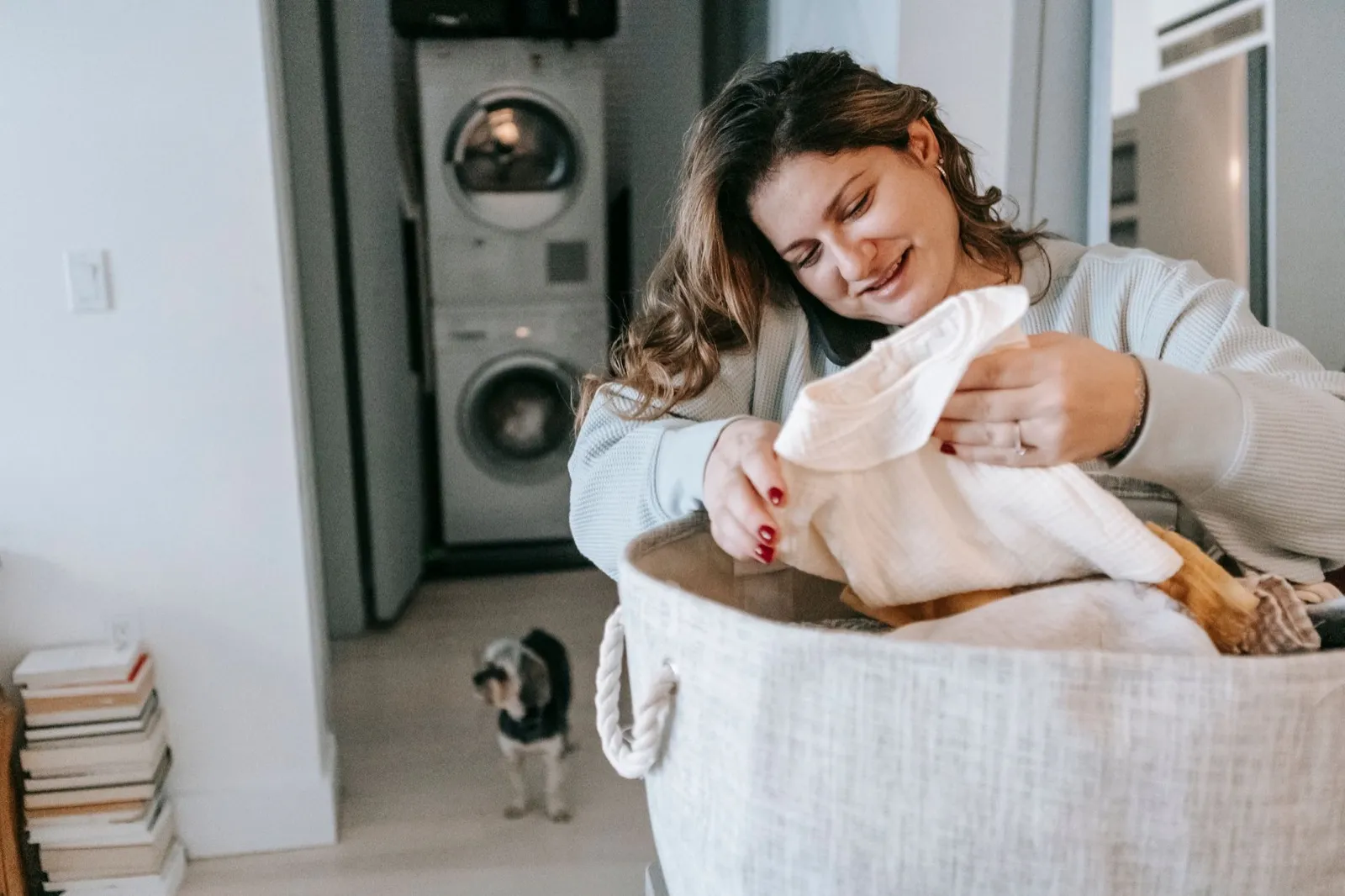
Image Credit: Pexels / Sarah Chai
A 30-day decluttering challenge works best when each task is small enough to finish in ten to twenty minutes. The aim is not to remove a certain number of possessions or create a perfect home. It is to practise making a few useful decisions, clear small areas you use every day and learn what helps your home feel easier to live in.
You can skip, swap or repeat days. If you are ill, busy, grieving, caring for someone or simply low on energy, choose the gentlest task or pause. This challenge is a menu of prompts, not a deadline you have failed if you do not complete it in a calendar month.
How to use the challenge
Keep four bags or boxes nearby: rubbish, recycling, donation and decide later. Work in one area only, and stop when the timer ends. Do not start a second project because you found something that belongs in another room; put it in the “elsewhere” box and return it after the session.
Before you begin, choose a donation route and check what it accepts. Check local recycling guidance for items that cannot go in your usual bin. Do not donate unsafe, recalled or broken electrical items. If an object is sentimental, valuable or belongs to someone else, place it in the decide-later box rather than rushing.
Days 1 to 7: Make daily spaces easier
Day 1: Clear one small surface
Choose a bedside table, coffee table or part of a kitchen counter. Remove rubbish, return obvious items and leave only what is useful there.
Day 2: Collect rubbish and recycling from one room
Take a bag around one room only. Recycle according to local rules and do not turn this into a deep clean.
Day 3: Sort one bag or pocket
Empty one handbag, rucksack, coat pocket or work bag. Remove wrappers, old receipts and items that belong elsewhere.
Day 4: Clear a safe route
Make a path to the bed, front door, bathroom or kitchen worktop. Prioritise access, not visual perfection.
Day 5: Choose five obvious duplicates
Look for duplicate pens, mugs, tote bags, hair ties or utensils. Keep the amount you use and set aside usable extras.
Day 6: Reset the place where laundry gathers
Put dirty clothes into one basket and clean clothes into a separate basket or drawer. Do not decide your whole wardrobe today.
Day 7: Make one donation bag
Add a few clean, usable items you are ready to pass on. Label it with the intended destination and put it by the door.
Days 8 to 14: Work through small household categories
Day 8: Declutter one bathroom shelf
Remove empty bottles and products you do not use. Check dates, and return unwanted medicines to a pharmacy rather than flushing them.
Day 9: Sort one kitchen drawer
Keep the tools you reach for. Recycle or dispose of damaged items appropriately, and put like items together.
Day 10: Check the fridge for food to use
Look for food approaching its use-by date and plan a meal around it if safe to do so. Follow date-label guidance and dispose of food that should not be eaten.
Day 11: Clear one food-cupboard shelf
Group similar foods and remove empty packets. Put older items at the front if that helps you notice them.
Day 12: Sort tea towels or cleaning cloths
Keep the clean, usable ones. Recycle or dispose of worn items through an appropriate local route.
Day 13: Choose one small stack of papers
Sort into act, keep, recycle and ask about. Keep sensitive documents secure; do not guess about important records.
Day 14: Empty one small drawer
Choose a junk drawer, bedside drawer or desk drawer. Return only things that belong in that location.
Days 15 to 21: Make getting dressed and resting easier
Day 15: Sort socks or underwear
Keep pairs and comfortable items you use. Recycle worn textiles where accepted.
Day 16: Choose five clothes to review
Ask whether they fit your current life and body, are in usable condition and are items you choose to wear.
Day 17: Clear the chair
If a chair has become clothing storage, move dirty clothes to laundry and give wearable-again clothes one hook or shelf.
Day 18: Reset one bedside area
Keep only bedtime or morning essentials. Return cups, papers and random items to their proper homes.
Day 19: Sort one shelf of books or magazines
Keep what you plan to read, reference or enjoy. Pass on items in good condition if you are ready.
Day 20: Review one small group of toiletries
Remove empty or dried-up products and group daily items together. Store medicines as directed.
Day 21: Choose one memory box item
Do not force a decision. You can keep it, photograph it, place it in a smaller memory box or put it back for another time.
Days 22 to 30: Reduce digital and hidden clutter
Day 22: Delete ten screenshots
Keep only screenshots with a real purpose. Save important information in a note or folder if needed.
Day 23: Remove one unused app
Check for subscriptions, data and account access before deleting it.
Day 24: Turn off three unnecessary notifications
Keep alerts that support safety, important communication or accessibility.
Day 25: Clear your downloads folder
Delete temporary files and move important documents into a few named folders.
Day 26: Unsubscribe from three unwanted emails
Do this through legitimate unsubscribe links in messages you recognise. Mark suspicious messages as spam instead.
Day 27: Sort one cable or charger box
Keep known, working items for devices you own. Recycle unwanted electrical accessories appropriately.
Day 28: Check one storage space
Choose one under-bed box, cupboard corner or high shelf. Remove rubbish and identify anything that needs a decision later.
Day 29: Take one outgoing bag out
Donate, recycle or dispose of one prepared bag using a suitable route. If you cannot leave home, arrange the next step.
Day 30: Choose your maintenance habit
Pick one small weekly action: clear a surface, check the fridge, process post, review downloads or fill a donation bag. Choose the one that would help your home most.
If you miss a day
Do not double up unless you genuinely want to. Repeat an easy task, skip ahead or turn the next task into a five-minute version. The value of a challenge is learning what you can return to, not proving that you can keep a streak.
At the end, notice which spaces became easier to use and which categories still feel difficult. Choose one next small project from that information. You may need more time, storage changes, help carrying bags or no change at all for a while.
Frequently asked questions
How much should I declutter each day?
One small, contained task is enough. A drawer, bag, shelf or ten-minute timer is a reasonable boundary.
What if I cannot donate anything?
You can still recycle, safely dispose of rubbish, return items to their homes or create a review box. Decluttering is not dependent on giving things away.
Can I repeat the challenge?
Yes. Repeat the tasks that were useful, swap out tasks that did not fit your home, and keep the pace gentle.
When to get professional advice
Speak to a GP or relevant mental-health professional if clutter is causing serious distress, risks, unusable rooms or difficulty with daily care. The NHS provides information about hoarding disorder and support. Call 999 or go to A&E if there is immediate danger.
Related reading
- How to Declutter Your Home Without Getting Overwhelmed
- Where to Start Decluttering When You Have Too Much Stuff
- Things to Get Rid of When Decluttering Your Home