Thick Hair Care Guide: Washing, Styling and Reducing Bulk
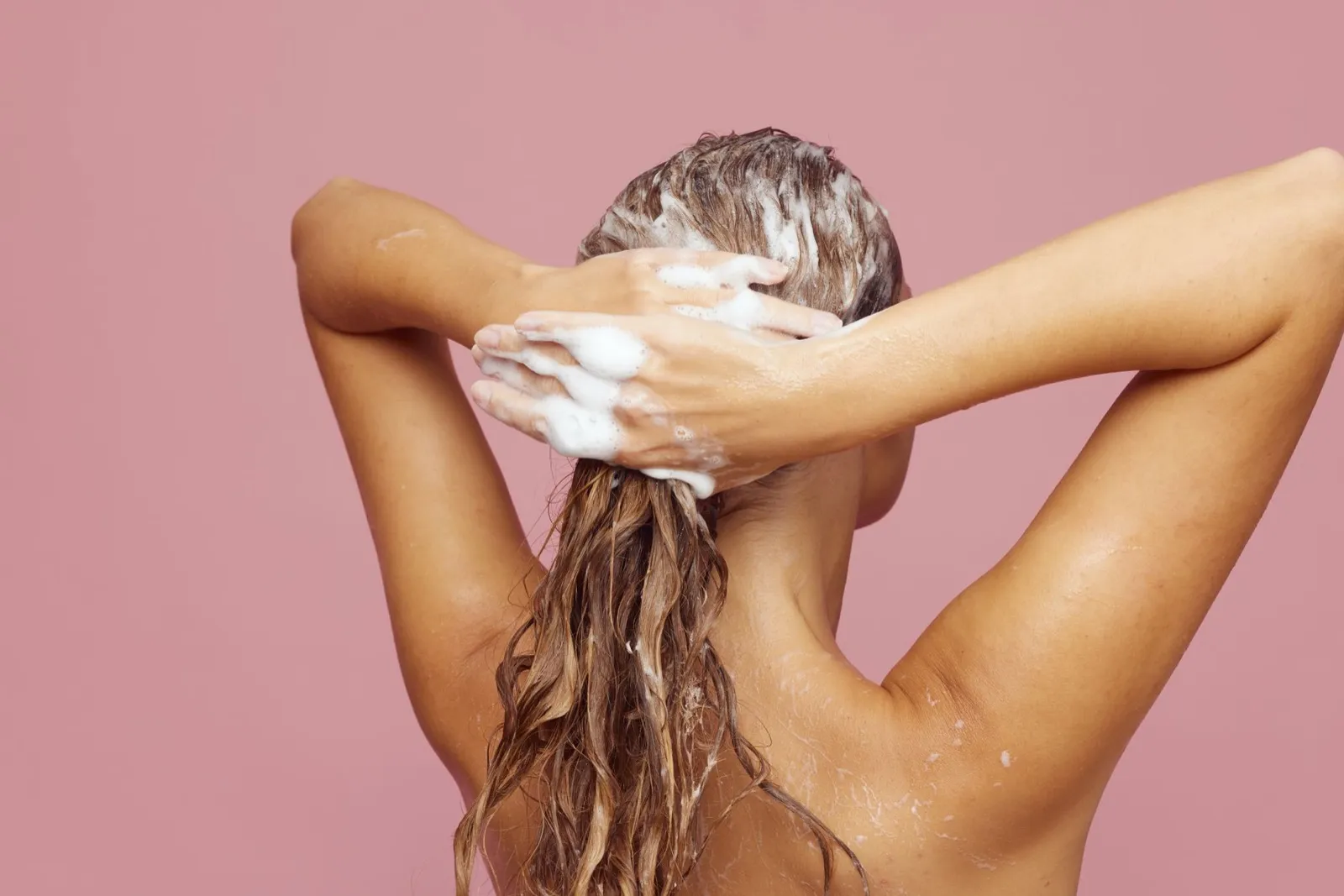
Image Credit: Pexels / Hairlust Official
Thick hair usually needs thorough cleansing, generous conditioning and careful sectioning so water and products reach every layer. It may take longer to wash, detangle and dry, but a simple routine can make it softer and easier to manage.
The term thick hair can describe coarse individual strands, high hair density or both. Someone may have many fine strands, fewer coarse strands or dense hair made up of thick strands.
Focus shampoo on the scalp, apply conditioner through the lengths, detangle in sections and use the lowest effective heat. If hair suddenly becomes thinner, shedding is heavy or the scalp is painful or inflamed, speak to a GP.
What does thick hair mean?
Coarse strands
Coarse hair has a relatively large individual diameter. A strand may feel clearly noticeable, resist styling, take longer to wet, need more product, feel rough when dry and hold shape well.
Coarse does not mean damaged or frizzy. It can be straight, wavy, curly or coily.
High-density hair
High-density hair has many strands across the scalp. It may make the scalp difficult to see, feel heavy at longer lengths, take longer to wash and dry, need sectioning, require more conditioner and tangle beneath the surface.
High-density hair can contain fine, medium or coarse strands.
How to tell if you have thick hair
You may have high density if the scalp is difficult to see without parting, a standard tie cannot wrap comfortably, small clips cannot hold all hair, inner layers stay damp, washing requires sections or your ponytail feels heavy.
You may have coarse strands if one strand is easy to feel, hair feels substantial or wiry, resists styling, needs richer products, absorbs water slowly or fine accessories struggle to hold it.
You can have dense fine, dense medium, dense coarse, low-density coarse, curly coarse or straight coarse hair.
What does thick hair need?
A useful routine includes thoroughly wetting hair, shampooing the scalp in sections, conditioning lengths, detangling ends upwards, rinsing carefully, leave-in if needed, styling in sections, drying inner layers and avoiding accessories that pull.
Thick hair needs even coverage, not necessarily large amounts of every product.
How often should you wash thick hair?
Wash according to scalp oiliness, sweat, curl pattern, products, exercise, protective styling, flakes, itching, dryness and how long hair takes to dry.
Straight thick hair with oily roots may need washing every few days. Dry curly, coily or Afro-textured hair may be washed less frequently.
Do not delay washing solely because the process takes time. Persistent sweat, dry shampoo and build-up can make the scalp uncomfortable.
How to wash thick hair properly
Divide hair into two to six sections depending on length and density. Wet each section thoroughly, lifting hair so water reaches crown, behind ears, nape and inner layers.
Apply shampoo to the scalp rather than coating ends. Massage gently with fingertips, rinse each section and let foam move through the lengths. Repeat only for heavy oil or build-up.
Hair that looks wet outside may still be dry underneath. Check for leftover foam or residue beneath dense layers.
Choosing shampoo
For oily scalp, try balancing or regular cleansing shampoo and occasional clarifying shampoo. For dry lengths, use gentle or moisturising shampoo and avoid rubbing ends.
Clarifying shampoo can remove oils, butters, silicone, dry shampoo, wax, gel, hairspray and heavy conditioner. Use occasionally and follow with conditioner.
Chelating shampoo may remove minerals from hard water. For dandruff, use an appropriate anti-dandruff shampoo and follow contact-time directions.
Does thick hair need conditioner and masks?
Most thick hair benefits from conditioner because it reduces friction and makes detangling easier. Apply through lengths, using sections so inner layers receive enough.
A mask may help hair that is dry, coarse, bleached, tangled or difficult to manage. Use weekly or every two weeks according to the formula.
Reduce use if hair becomes coated, sticky, limp or difficult to rinse. Conditioner and masks cannot permanently repair split ends but may temporarily smooth them.
How to detangle thick hair
- Divide hair into sections.
- Apply conditioner or detangling product.
- Begin at ends.
- Separate large knots with fingers.
- Use a wide-tooth comb or suitable brush.
- Work gradually towards roots.
- Hold hair above knots.
- Add water or conditioner as needed.
Do not force a comb through resistance. Thick curly hair may be easiest to comb in the shower before conditioner is rinsed.
Useful tools include wide-tooth combs, flexible detangling brushes, paddle brushes, strong sectioning clips, large-tooth styling combs and curl-definition brushes. Choose smooth teeth, rounded ends and enough strength for density.
How to dry thick hair
Thick hair can remain wet beneath the surface. Squeeze out water, use microfibre or cotton, blot rather than rub, divide sections, avoid tight twisting and keep the scalp uncovered while drying.
Air-drying avoids direct heat but may take a long time. Separate inner layers and allow airflow. A gentle blow-dry may be more practical than leaving hair wet all day.
Blow-drying
Begin when hair is no longer dripping. Apply heat protectant, divide sections, start with lower layers, use medium heat, keep the dryer moving, direct airflow down the shaft and dry roots and inner layers fully.
Do not use maximum heat simply because hair is thick. Coarse hair can still become dry and damaged.
Leave-in products and product amounts
Thick hair may benefit from leave-in spray, conditioning lotion, cream, detangling milk, curl cream, anti-frizz serum, oil or heat-protective cream.
Apply in sections. Add more only if hair remains rough, tangled or dry. Use less if it becomes sticky, greasy, flat, dull, coated, slow to dry or difficult to wash.
Adding water may distribute product better than adding another handful.
Hair oil can smooth coarse strands and reduce friction but does not replace water or conditioner. Use over leave-in, on damp ends, as pre-wash or on dry areas. Heavy scalp oil may cause build-up or worsen dandruff.
Routines for thick hair types
Thick straight hair
Shampoo scalp thoroughly, condition lengths, detangle ends upwards, use light leave-in, protect from heat, dry in sections and use serum only where needed. Avoid rich masks and oil on oily roots.
Thick wavy hair
Try moisturising conditioner, leave-in lotion, mousse, foam, light curl cream, medium-hold gel, sectioned styling and diffusing. Apply to wet hair and scrunch. Reduce heavy cream and oil if waves look stretched.
Thick curly hair
Wash, condition and style in sections. Use leave-in, curl cream if needed, gel or mousse for hold, and air-dry or diffuse. Use enough water to help products spread and avoid dry brushing.
Thick coily and Afro-textured hair
Divide hair before washing, cleanse scalp carefully, condition each section, detangle ends upwards, dry gently, apply leave-in and add cream, gel or oil as needed.
Do not assume coily hair should remain coated in oil. The scalp needs cleansing and lengths benefit from water-based conditioning. Protective styles should not be painful, heavy or tight.
Low- and high-porosity thick hair
Low-porosity hair may resist water and build up. Thoroughly saturate sections, use lighter products, apply to wet hair, use warmth during conditioning if suitable, clarify occasionally and limit heavy butter and oil.
High-porosity hair absorbs water quickly but loses it easily, often after bleaching, colour, straightening, heat or wear. Try rich conditioner, leave-in, cream, oil over damp hair, protein if tolerated, lower heat, less chemical processing and regular trims.
Products temporarily smooth damage but cannot restore severely split strands.
How to manage frizz and reduce bulk
Frizz may be natural texture, humidity, dryness, damage or new growth. Use conditioner, leave-in, damp styling, smoothing cream or gel, controlled airflow, night protection, occasional clarifying and lower heat.
A skilled haircut can reduce weight through long layers, internal layers, face framing, graduated shape, selected weight removal, shorter length or an undercut where suitable.
Avoid excessive thinning shears on curly, frizzy, damaged or short-piece-prone hair. Removing too much can create uneven regrowth, frizz, thin ends and loss of curl structure.
Suitable cuts may include long layers, shoulder-length layers, textured lob, layered bob, shag, curly layers, rounded curly cut, one-length cut or a controlled pixie.
Curly and coily hair should be cut with shrinkage and movement in mind.
Hairstyles and accessories for thick hair
Practical styles include low ponytail, braided ponytail, low bun, two braids, French or Dutch braid, claw-clip twist, half-up bun, high or low puff, twists, braided bun and loose chignon.
Use large covered elastics, thick seamless bands, spiral ties, satin scrunchies, adjustable ties, large claw clips and smooth accessories.
Avoid thin bands, exposed metal joins, broken teeth and accessories that catch or pull. Remove ties slowly.
Sleeping with thick hair
Try one or two loose braids, loose twists, loose pineapple, satin bonnet, smooth pillowcase, soft scrunchie or gentle wrap.
Avoid tight heavy buns and cover hair only when roots are reasonably dry.
Straightening, curling and protective styles
For straightening, apply heat protectant, blow-dry in sections, dry fully, use the lowest effective setting and make controlled passes. For curling, use manageable sections, allow curls to cool and avoid holding tools in one place.
Protective styles may include loose braids, twists, flat twists, cornrows, Bantu knots, braided buns, wigs over prepared hair and tucked updos.
They are not protective if they cause pain, headaches, bumps, crusting, broken hairs, tenderness, visible thinning or difficulty sleeping. Heavy extensions can add considerable weight.
Can thick hair become thinner?
Density and strand diameter can change through ageing, hormones, pregnancy, postpartum shedding, menopause, pattern hair loss, illness, stress, weight loss, deficiency, medicine, traction, chemicals and breakage.
Photographs of parting and crown can help monitor change. Do not dismiss a clear difference because hair was previously thick.
Thick hair after pregnancy
Hair may feel fuller during pregnancy, followed by increased shedding several months after birth. Noticeable changes may include smaller ponytail, scalp visibility, temple thinning or large amounts during washing.
Gentle care reduces breakage but cannot prevent hormone-related shedding. Speak to a GP for severe, patchy or persistent loss.
Can thick hair cause headaches?
Hair itself does not usually cause headaches, but weight and tension from high ponytails, buns, braids, extensions, tight clips, hairpieces or headbands may cause scalp discomfort.
Loosen styles and distribute weight differently. Seek medical advice for new, severe or persistent headaches.
Common thick hair mistakes
Avoid washing only the outer layer, conditioning only the surface, detangling the whole head at once, excessive heat, small accessories, tying wet hair tightly, using too much product, avoiding shampoo, heavy extensions, excessive thinning and assuming thick hair cannot thin.
Work in sections and add water before more product.
A simple routine for thick hair
Wash day
- Divide hair into sections.
- Wet scalp and lengths thoroughly.
- Shampoo scalp.
- Massage gently and rinse.
- Repeat only if needed.
- Condition lengths.
- Detangle ends upwards.
- Rinse carefully.
- Blot excess water.
- Apply leave-in if needed.
- Air-dry or blow-dry in sections.
Between washes
Protect hair at night, use a little oil on dry ends, refresh curls with water or leave-in, avoid tightening ponytails, keep scalp accessible, remove build-up and change tied-style positions.
Occasionally clarify, use a mask, trim split ends, clean tools and check the scalp.
When to get professional help
Speak to a GP about sudden or significant shedding, widening parting, smaller ponytail, scalp visibility, smooth bald patches, receding hairline, crown thinning, temple or edge loss, eyebrow or eyelash loss, shedding for months or changes with tiredness, weight or menstrual symptoms.
Seek GP or dermatology advice for scalp pain, burning, tenderness, thick scale, crusting, pus, spreading rash, smooth shiny areas or loss of follicle openings.
Loosen or remove styles causing pain, bumps, broken hairs or visible thinning. Seek urgent medical help if a hair product causes difficulty breathing, faintness or swelling of your lips, mouth, tongue or throat.
Related reading
- Hair Types Guide: How to Identify and Care for Your Hair
- Haircare Guide: How to Build a Healthy Hair and Scalp Routine
- Hairstyles Guide: How to Choose a Style for Your Hair Type
- Hair Loss in Women: Causes, Treatments and When to Seek Help