Toddler Development
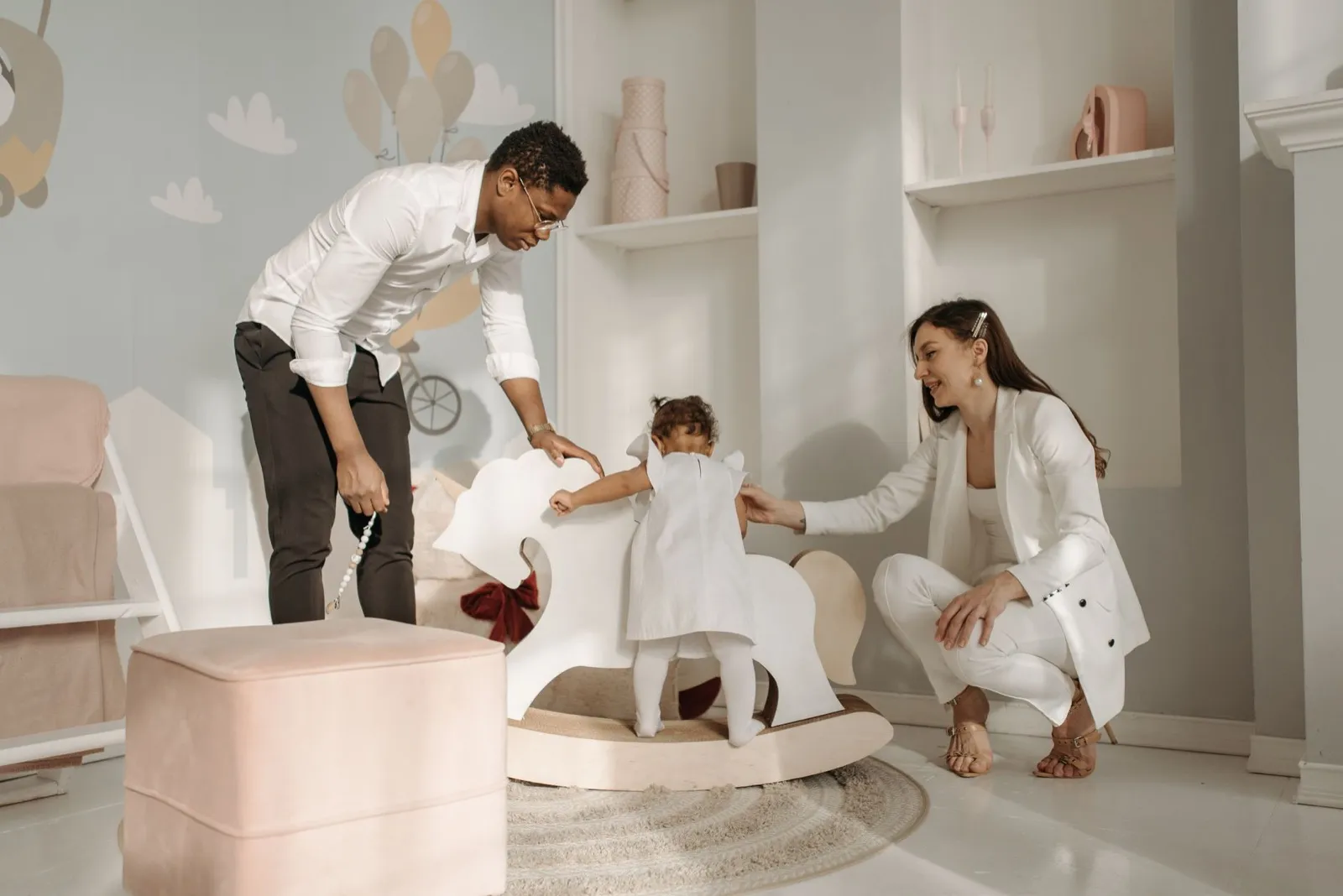
Image Credit: Pexels / Pavel Danilyuk
Toddler development can feel wonderfully exciting one minute and completely confusing the next. Your child may suddenly learn a new word, insist on doing everything themselves, climb somewhere you thought was impossible and then become deeply upset because you cut their toast the wrong way.
All of this happens during a period of rapid learning. Toddlers are developing language, movement, coordination, social skills, emotional understanding, imagination and independence, often at different rates.
Developmental milestones can help you understand the kinds of changes that happen during these years, but they should not become a competition. Children learn skills at different times. The most useful thing you can do is give your toddler plenty of opportunities to talk, play, move, explore and connect with you, while asking for professional advice if something about their development worries you.
What does toddler development include?
Toddler development is much broader than learning to walk and talk.
During these years, several areas develop alongside each other.
Physical development includes walking, running, climbing, throwing, kicking and gradually gaining more control over smaller movements such as using cutlery, turning pages or making marks with crayons.
Language and communication develop as toddlers understand more words, begin using words themselves and gradually start putting them together.
Social and emotional development includes learning about relationships, expressing feelings and beginning to understand other people’s emotions.
Thinking and learning skills also develop through play. Toddlers experiment constantly. They stack, drop, pour, hide, copy, pretend and repeat things to see what happens.
Independence becomes increasingly noticeable too. Your toddler may want to feed themselves, choose what to wear or attempt tasks without help.
These areas are connected. A simple game with a ball can involve movement, communication, turn-taking, attention and problem-solving all at once.
Toddler milestones are guides, not deadlines
It is easy to become anxious when another child of the same age seems to be doing something your toddler is not.
Try to resist turning development into a checklist.
Children develop at different rates, particularly with skills such as talking, walking and social interaction.
Look at your child’s development over time rather than focusing on one isolated skill.
You may notice that they understand far more language than they can currently say. They may be cautious physically but fascinated by books. Another toddler may be constantly climbing but use fewer words.
Developmental reviews exist partly to help identify children who may benefit from additional support, but variation itself does not automatically mean something is wrong.
If you are concerned, speak to your health visitor rather than waiting for your child to catch up or comparing them repeatedly with other toddlers.
Supporting speech and language
You do not need formal lessons to help your toddler develop language.
Ordinary conversation gives them countless opportunities to listen and learn.
NHS Best Start in Life guidance encourages parents to talk about everyday activities, follow what their child is interested in and use natural conversation during routines such as meals, getting dressed and going outside.
If your toddler points to a dog, you might say, “Yes, a dog. It’s a big brown dog.”
If they use a single word, you can naturally expand on it rather than asking them to repeat a longer sentence.
Books are useful too. You do not always need to read every sentence. Look at the pictures, name objects and talk about what is happening.
Songs and nursery rhymes introduce repeated sounds and words in a playful way.
Most importantly, give your toddler time to respond. Conversation can move more slowly when someone is still learning how to turn thoughts into words.
What if your toddler is not talking as much as other children?
Children learn to talk at different ages.
Some toddlers use words early, while others take longer to develop spoken language.
Try to consider communication more broadly. Your toddler may communicate by pointing, looking, gesturing, making sounds or bringing objects to you as their spoken language develops.
Keep talking naturally with them rather than constantly testing them.
If your family speaks more than one language, NHS guidance supports talking to your child in the language or languages you use at home.
If you are worried about your child’s speech, understanding or communication, speak to your health visitor, nursery key worker or local speech and language therapy service.
You do not need to wait until the concern feels serious before asking.
Movement and physical development
Toddlers usually have a strong desire to move.
Walking may gradually turn into faster walking, running, climbing, kicking, throwing and attempting things that make nearby adults slightly nervous.
Physical activity helps toddlers practise balance, coordination and movement skills.
NHS Best Start in Life guidance says toddlers should ideally have around 180 minutes of physical activity spread throughout the day. It does not need to happen in one long session.
Ordinary activities count.
Walking to the park, dancing in the kitchen, climbing playground equipment, kicking a ball and moving around the house can all contribute.
Give your toddler opportunities to move freely in safe spaces rather than expecting them to sit still for long periods.
As their abilities change, reassess your home for hazards. A toddler who could not reach a worktop last month may suddenly discover climbing.
Fine motor skills and everyday independence
Not all physical development involves running and jumping.
Toddlers are also becoming more skilled with their hands.
You may notice them attempting to use a spoon, stack blocks, turn pages, scribble, put objects into containers or remove their own socks.
These small everyday tasks help them practise coordination.
Give your toddler opportunities to try things before stepping in, provided the activity is safe.
That might mean letting them attempt to feed themselves, help put toys into a basket or carry something lightweight.
The result may be slower and messier than doing it yourself.
That is often part of learning.
You can help when needed without expecting your toddler to complete the task perfectly.
Why play matters so much
Play is one of the main ways toddlers learn.
NHS Best Start in Life guidance describes play as important for emotional and physical development as well as bonding.
You do not need expensive educational toys.
Toddlers can learn through:
- stacking blocks
- drawing and making marks
- dancing to music
- playing with balls
- looking at books
- simple puzzles
- pretend play
- water play
- helping with safe household tasks
- exploring outdoors
Try following your toddler’s lead sometimes rather than directing the activity.
If they are carefully lining up toy animals, you can talk about what they are doing instead of immediately changing the game.
Their repetitive play may look simple to you, but repetition is one of the ways young children practise and understand new skills.
Pretend play and imagination
As toddlers grow, ordinary objects can suddenly become almost anything.
A cardboard box may become a car. A spoon may become a microphone. Teddy may need dinner, a bath and an extremely serious trip to the doctor.
Pretend play gives children opportunities to practise language, copy familiar routines and explore ideas.
Join in if your toddler invites you.
You might pretend to feed a toy, put a doll to bed or run a tiny imaginary shop.
There is no need to control the story. Let your toddler decide what happens and add words to the game naturally.
NHS guidance for children aged two to three specifically recommends pretend play as one way to support communication and confidence.
Understanding toddler emotions
Toddlers can experience very big feelings while having relatively few skills for managing them.
They may know exactly what they want but not have the language, patience or emotional control to explain it calmly.
This is one reason frustration can become intense very quickly.
NHS Best Start in Life guidance recommends helping toddlers by naming their feelings and staying as calm as possible.
You might say, “You’re angry because you wanted the red cup.”
Naming the emotion does not mean giving your toddler everything they want. You can acknowledge a feeling while still keeping a boundary.
Once they are calmer, they are more able to listen and learn.
Expecting a distressed toddler to reason like an adult is likely to frustrate both of you.
Independence and the desire to do everything themselves
A growing desire for independence is a familiar part of toddlerhood.
You may hear “no” frequently. Your child may insist on putting on their own shoes, choosing a cup or attempting something without help.
Where possible, give them small, manageable choices.
Instead of asking an open-ended question about what they want to wear, you might offer two suitable tops.
Let them help with simple tasks such as putting clothes into a laundry basket or carrying their cup to the table.
Choices can give toddlers some control while you still manage the bigger decisions.
Not every moment needs to become a lesson in independence. If you are late and need to put the shoes on yourself, that is fine too.
Reading together
Books support language, attention and connection, but toddler reading rarely looks like a quiet adult reading session.
Your toddler may skip pages, point repeatedly at the same picture or wander away halfway through.
That still counts.
Talk about the pictures. Let them choose familiar books again and again. Ask simple questions if they enjoy answering them, but avoid turning story time into a quiz.
Libraries can be a useful source of age-appropriate books without needing to buy new ones constantly.
Some libraries also offer free story or rhyme sessions for young children.
The goal is to make books familiar and enjoyable, not to make your toddler perform.
Screen time and development
Screens are part of everyday family life, so the aim does not have to be perfection.
Current NHS Best Start in Life guidance says children aged two to five should have screen time limited to no more than one hour a day.
For children under two, NHS guidance advises avoiding screen time where possible. If screens are used, shared activities that encourage interaction are preferable.
For older toddlers using screens, choose age-appropriate content with simple stories and clear speech.
Watching together gives you opportunities to talk about what is happening rather than leaving the screen to replace interaction completely.
Screens can be useful at times, particularly on difficult days. They do not need to become a source of parental guilt.
Aim for a balance that still leaves plenty of room for movement, conversation, play, sleep and family interaction.
Your toddler’s development review
In England, children are usually offered a health and development review at around two to two and a half years old.
The NHS says this review focuses on your child’s development and can help identify where additional support may be useful.
If your child attends nursery, they will also have a progress review with their key worker.
These reviews can cover areas such as communication, movement, behaviour and learning.
Use the appointment to mention anything you have noticed or wondered about.
You do not need to prepare a perfect list of milestones. Think instead about your child’s everyday life.
How do they communicate? How do they move? What do they enjoy? Is there anything they seem to find particularly difficult?
And remember that you can contact your health visitor before the scheduled review if you have concerns.
Avoid comparing your toddler too closely
Comparison is almost unavoidable.
At a playgroup, one child may be speaking in long sentences while another climbs every piece of equipment in sight. Online, milestone videos can make development look remarkably tidy and predictable.
Real toddlers are not like that.
Try to notice your own child’s progress over time.
Maybe they are attempting new words, becoming steadier on their feet, using pretend play or finding new ways to tell you what they want.
Small changes matter too.
NHS Best Start in Life refers to these smaller achievements as part of children’s ongoing development, and they are often easier to appreciate when you are not constantly looking for the next major milestone.
When to get professional advice
Speak to your health visitor, GP or nursery key worker if you are worried about any part of your toddler’s development.
This might include concerns about speech and language, understanding, movement, hearing, vision, social interaction, behaviour or a loss of skills they previously had.
For communication concerns, your health visitor or nursery may suggest support from a speech and language therapy service.
Your child will usually be offered a health and development review at around two to two and a half years old, but you do not need to wait for that appointment if something is worrying you.
If your child has lost skills they previously used, seems significantly different from their usual self or has other signs of illness alongside a developmental concern, seek medical advice.
Developmental milestone information can provide useful context, but it cannot assess an individual child. A qualified professional can consider your toddler’s development as a whole and help you understand whether any additional support would be useful.
Related reading
- Toddler Development: Milestones and Stages from 1 to 3 Years
- 1-Year-Old Development: Milestones to Look Out For
- 2-Year-Old Development: Milestones and What to Expect
Sources
- NHS Best Start in Life: Toddler
- NHS Best Start in Life: Early learning and development
- NHS Best Start in Life: First words and little sentences, 1 to 2 years
- NHS Best Start in Life: Chatting and building sentences, 2 to 3 years
- NHS Best Start in Life: Playtime and bonding with your toddler
- NHS Best Start in Life: Help your toddler manage emotions