Toddler Walking, Running and Physical Development
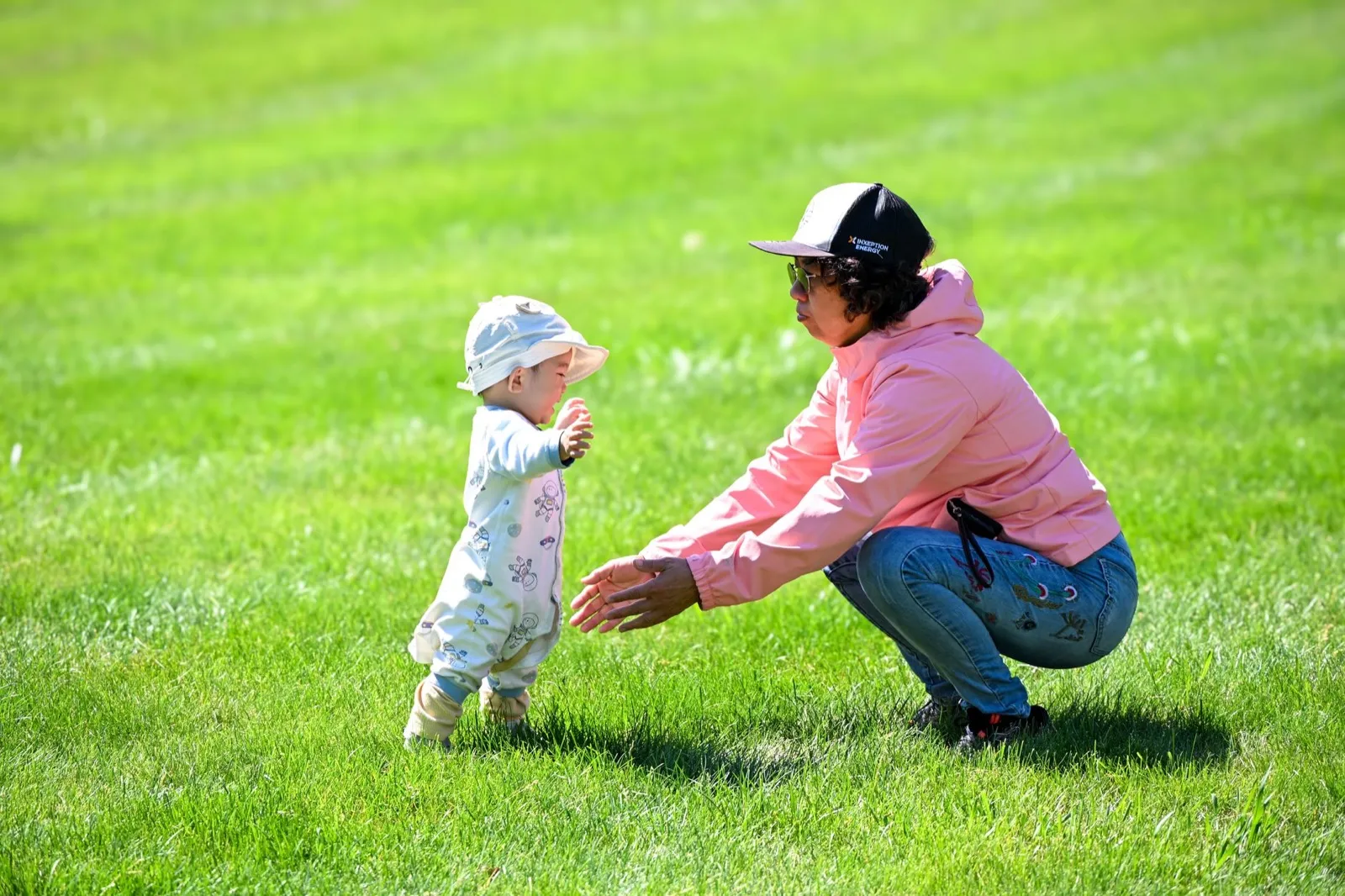
Image Credit: Pexels / SAIF SIDDIQUE
Once a toddler starts moving independently, their physical skills can seem to change almost week by week. Early, careful steps may gradually become steadier walking, followed by climbing, running, kicking, jumping and an enthusiastic desire to explore almost everything.
There is a wide range in how these skills develop. Some toddlers are confident movers early, while others take more time. What matters is not comparing your child with the fastest toddler at playgroup, but noticing how their movement, strength, balance and confidence develop over time.
Everyday active play gives toddlers opportunities to practise these skills. You do not need complicated equipment or structured exercise sessions. Walking to the park, dancing in the kitchen, climbing at the playground and kicking a ball can all support physical development.
What does physical development look like in toddlers?
Physical development includes much more than learning to walk.
Gross motor skills involve the larger movements of the body. These include:
- Sitting and standing
- Walking
- Running
- Climbing
- Squatting
- Jumping
- Kicking
- Throwing
- Balancing
- Using steps and stairs
Toddlers also continue developing fine motor skills, which involve smaller movements of the hands and fingers. Picking up objects, stacking blocks, using a spoon and turning book pages are examples.
These areas develop alongside each other. A toddler carrying a toy across the room, for instance, is combining balance, walking, grip, coordination and awareness of their surroundings.
How toddler walking develops
Learning to walk is not usually one sudden event.
Before independent walking becomes established, children may pull themselves upright, stand while holding furniture, move sideways while supported and experiment with letting go.
Early walking often looks quite different from adult walking. A new walker may take short steps, hold their arms up for balance and fall frequently while learning how to control their body.
With practice, walking usually becomes steadier and more efficient. Toddlers begin changing direction more easily, carrying objects while walking and navigating different surfaces.
Oxford Health NHS Foundation Trust explains that toddlers gradually perfect their walking, becoming quicker and steadier and falling less as their skills develop.
There is no need to rush this process. Safe opportunities to move freely and practise are more useful than trying to make a toddler perform a skill before they are ready.
When do toddlers start running?
Running develops after a child has become more confident walking.
At first, a toddler’s attempt at running may look more like a very fast walk. Balance, coordination and control develop with practice.
Oxford Health NHS Foundation Trust describes running as one of the gross motor skills toddlers develop as their walking becomes quicker and steadier. By around age two, many toddlers are developing the ability to run and navigate obstacles, although individual development varies.
As toddlers become more physically confident, you may notice them experimenting with:
- Moving faster
- Stopping and starting
- Turning while moving
- Chasing other people
- Running around obstacles
- Kicking balls
- Climbing onto low surfaces
- Trying to jump
- Walking up and down steps with support
These skills build gradually rather than appearing perfectly formed.
Why toddlers fall so much
Falls are a normal part of learning to move.
A toddler is still developing balance, coordination, body awareness and the ability to judge distances. They are also curious and often move before fully considering what is around them.
As walking becomes more established, falls commonly become less frequent.
The aim is not to prevent every small stumble. Instead, create a reasonably safe environment where your toddler can practise movement while being supervised appropriately.
Toddlers also have limited awareness of danger. Oxford Health NHS guidance notes that young children learning skills such as running and using stairs still need an adult nearby to keep them safe.
Extra care is sensible around stairs, roads, water, windows, climbing equipment and furniture that could tip.
How running, climbing and jumping develop
Walking creates the foundation for many later gross motor skills.
Once a toddler feels stable on their feet, they can begin experimenting with more challenging movements.
Running
Running requires more balance and coordination than walking. Early running can look awkward, but repeated opportunities to move help toddlers practise controlling their speed and direction.
Climbing
Many toddlers become keen climbers. Sofas, steps and playground equipment can suddenly look extremely appealing.
Climbing requires strength, balance and planning. Choose environments designed for young children and stay close enough to help if needed.
Jumping
Jumping requires a toddler to coordinate both sides of their body while briefly leaving the ground. It develops gradually, so early attempts may be small.
Kicking and throwing
Ball play can help toddlers practise balance, hand-eye coordination and whole-body movement.
NHS Best Start in Life recommends simple activities such as throwing, catching and kicking a ball to help children practise coordination, balance and agility.
The aim does not need to be accuracy. Rolling, chasing and attempting to kick the ball are useful forms of active play too.
How much physical activity do toddlers need?
NHS physical activity guidance says toddlers aged one to two should be physically active for at least 180 minutes, or three hours, across the day.
This does not mean three hours of organised exercise.
The total can include light activity and energetic movement, such as:
- Walking
- Moving around the home
- Active play
- Running
- Jumping
- Dancing
- Playing with a ball
- Climbing
- Playground play
- Riding suitable wheeled toys
- Playing in water
Activity can be spread throughout the day.
For children aged three to four, NHS guidance also recommends at least 180 minutes of varied physical activity across the day, with at least 60 minutes involving moderate-to-vigorous activity.
These recommendations are general public health guidance. Children with disabilities or long-term health conditions may need activities adapted to their needs, and their healthcare team can advise where necessary.
Simple ways to encourage physical development
Supporting physical development does not require turning your home into a miniature gym.
Toddlers benefit from regular chances to use their bodies in ordinary life.
You could:
- Let your toddler walk part of a journey when practical
- Visit a park or playground
- Dance together to music
- Roll, throw and kick a ball
- Encourage supervised climbing on suitable play equipment
- Play simple chasing games
- Let them help with age-appropriate household tasks
- Sing action songs
- Provide space for active indoor play
- Explore safe outdoor surfaces such as grass and paths
NHS guidance suggests allowing toddlers who can walk to do some walking rather than always travelling in a buggy. It also recommends active play including parks, climbing, dancing and ball games.
Some days will naturally be more active than others. Rain, tiredness, childcare, work and family routines all affect what is realistic.
Movement can happen in small bursts throughout the day.
Let your toddler practise at their own pace
It is tempting to turn development into a checklist, particularly when other children of a similar age appear to be doing something your toddler is not.
Physical skills do not all emerge on the same day for every child.
One toddler may be interested in climbing while another spends more time developing language or fine motor skills. Even siblings can reach movement milestones differently.
Offer opportunities without forcing practice.
If your toddler is hesitant at the playground, they do not need to be repeatedly placed on equipment they are frightened of. They can watch, explore and try things when they feel ready.
Likewise, an adventurous toddler may need more help learning safe boundaries because confidence can develop faster than awareness of danger.
Bare feet, socks and first shoes
Parents often wonder whether new walkers need supportive shoes immediately.
NHS guidance says children do not need proper shoes until they are walking independently. Even then, shoes can initially be kept for outdoor walking.
Indoors, a safe environment where a child can move without restrictive footwear may be suitable.
Once shoes are needed, fit matters. NHS guidance advises that shoes and socks should be the correct size and that footwear should hold the heel securely without cramping the toes.
Children’s feet grow quickly, so check the fit regularly.
If you have concerns about your toddler’s feet, walking pattern or footwear, a health visitor, GP or appropriately qualified professional can advise.
What about walking on tiptoes?
Seeing a toddler occasionally walking on their toes can worry parents.
The NHS states that tiptoe walking is common in children aged three and under. If you have concerns, however, you can speak to your GP or health visitor.
The same principle applies to other aspects of walking that worry you. You do not need to work out for yourself whether something is a normal variation.
A professional can consider your child’s overall development, movement and medical history.
Everyday safety as toddlers become more mobile
A newly mobile toddler can reach places that were previously completely inaccessible.
That makes physical development exciting, but it can also require a fresh look at your surroundings.
As your child begins walking, running and climbing, consider risks such as:
- Unsecured furniture
- Open stairs
- Accessible windows
- Hot drinks
- Water
- Roads and driveways
- Small objects
- Climbable furniture
- Unlocked cupboards containing hazardous products
Supervision remains important because toddlers do not yet have an adult understanding of danger.
At playgrounds, choose equipment suitable for your child’s abilities and stay close enough to respond if they need help.
Movement does not have to be structured
There is often pressure to find activities that are specifically designed to support development.
Toddlers can learn a great deal simply by moving through ordinary environments.
Walking across grass challenges the body differently from walking across a smooth floor. Picking a toy up requires bending and balancing. Dancing involves rhythm and coordination. Helping put washing into a basket involves lifting, carrying and squatting.
Play does not need to look educational to be useful.
NHS Best Start in Life describes walking, running, climbing, jumping and dancing as activities that help develop toddlers’ muscles, bones and brains.
Following your toddler’s interests can make movement easier to include naturally. A child who loves buses might happily walk to look for them. A toddler fascinated by balls may spend far longer chasing one than following a planned exercise game.
When to get professional advice
Development varies, but it is worth asking for professional advice if you are worried about how your toddler moves.
Speak to your health visitor or GP if you have concerns about walking, balance, coordination, the way your child uses their legs or feet, or any aspect of their physical development.
You should also seek advice if your child loses a physical skill they previously had, or if movement seems painful.
The NHS advises speaking to a GP or health visitor if you are concerned about tiptoe walking. NHS guidance on toddler development also encourages parents to use health and development reviews to discuss any concerns and access further support where needed.
If your toddler has a disability or long-term condition, their healthcare team can advise on physical activity that is appropriate for them and any adaptations that may help.
You do not need to compare your child with another toddler before asking a question. If something about their movement is concerning you, raising it with a qualified professional is a reasonable next step.
Physical development during the toddler years is full of practice. Walking becomes steadier, movement becomes quicker and new challenges suddenly become irresistible. Giving your child safe opportunities to move, explore and play can support those developing skills without turning everyday life into a training programme.
Related reading
- Toddler Development
- Best Toys and Activities to Support Toddler Development
- Toddler Development: Milestones and Stages from 1 to 3 Years