Korean Skincare Routine: A Simple Step by Step Guide for Beginners
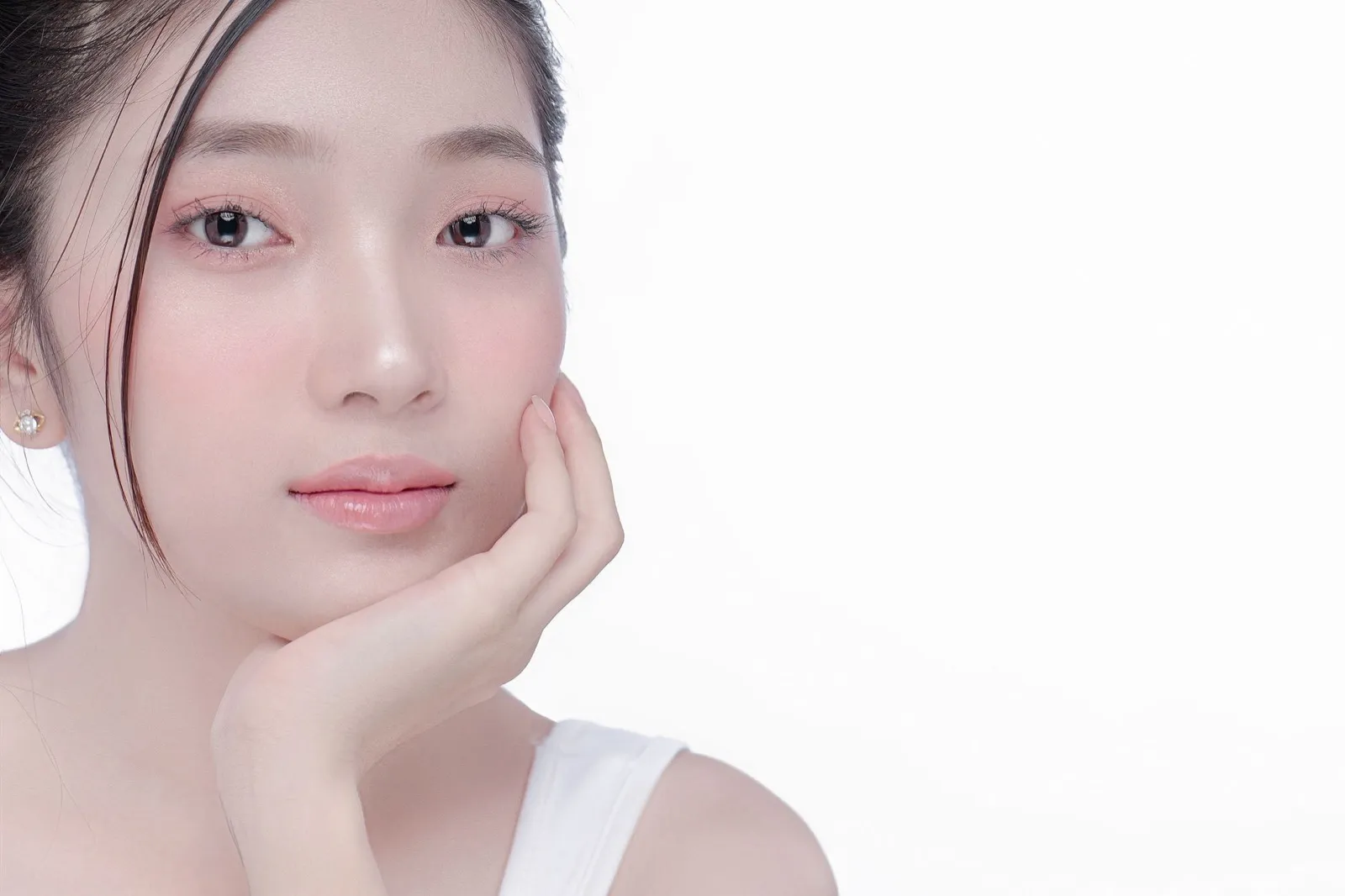
Image Credit: Pexels / Minh Tâm Nguyễn Ngọc
A Korean skincare routine usually focuses on gentle cleansing, hydration, skin barrier support and daily sun protection. It may include several lightweight layers, but you do not need a ten-step routine to follow its principles.
For most beginners, a cleanser, moisturiser and sunscreen provide a strong foundation. You can then add one optional product, such as a hydrating toner, essence, serum or treatment, according to your skin’s needs.
The number of steps matters less than choosing products that suit your skin and using them consistently. Applying too many products at once may lead to irritation, spots or difficulty identifying which formula caused a reaction.
What is Korean skincare?
Korean skincare, often called K-beauty, refers to products, techniques and routines associated with South Korea’s beauty industry.
It is commonly linked with:
- Gentle cleansing
- Lightweight hydration
- Layering thin products
- Supporting the skin barrier
- Daily sunscreen
- Preventing irritation
- Customising routines by skin type
- Ingredients such as centella asiatica, rice, green tea and fermented extracts
Korean skincare is not one fixed routine followed by everyone in Korea. A product being Korean also does not automatically make it gentler, safer or more effective. Ingredients, formulation and suitability still matter.
Do you need a ten-step Korean skincare routine?
No. The well-known ten-step routine is one possible structure rather than a requirement.
A practical routine may contain:
Morning
- Gentle cleanser or water rinse
- Moisturiser
- Sunscreen
Evening
- Makeup or sunscreen remover
- Gentle cleanser
- Moisturiser
You can add toner, essence, serum, exfoliant or a mask if it addresses a particular concern. More products do not guarantee healthier skin and may increase irritation, pilling and unnecessary expense.
What is the Korean skincare routine order?
A longer routine may follow this order:
- Oil-based cleanser
- Water-based cleanser
- Exfoliant
- Toner
- Essence
- Serum or ampoule
- Sheet mask
- Eye cream
- Moisturiser
- Sunscreen in the morning
Most steps are optional. The general idea is to apply lighter, water-based textures before thicker creams and oils. Product instructions take priority, particularly for medicated treatments.
The Korean skincare steps explained
1. Oil-based cleanser
An oil-based cleanser helps dissolve makeup, sunscreen, excess surface oil, long-wearing foundation, waterproof mascara and lip products.
Apply cleansing oil or balm to dry skin with clean hands. Massage gently, add lukewarm water and rinse according to the instructions.
An oil cleanser can suit oily skin as well as dry skin. You may not need this step if you have not worn makeup or water-resistant sunscreen.
2. Water-based cleanser
A water-based cleanser removes sweat, residue and anything left after the first step.
Choose a gel cleanser for oily or combination skin, cream cleanser for dry skin, low-foaming cleanser for sensitive skin or mild cleanser for acne-prone skin.
Your face should feel clean but comfortable. Tightness is not proof that a cleanser worked better.
3. Exfoliant
Exfoliation may improve texture, dullness or congestion. Korean skincare products may contain AHA, BHA, PHA, enzymes or fine physical particles.
You do not need to exfoliate every day. Begin once a week and increase only if your skin remains comfortable.
Signs of over-exfoliation include burning, redness, tightness, flaking, moisturiser stinging, unusual shininess, increased sensitivity and worsening dark marks. Stop exfoliating and simplify your routine if these develop.
4. Toner
A Korean toner is usually intended to add light hydration after cleansing rather than create a strong astringent feeling.
It may contain glycerin, hyaluronic acid, panthenol, centella asiatica, green tea, beta-glucan, rice extracts or ceramides.
One layer is usually enough. The seven-skin method is not necessary, and you can skip toner if cleanser and moisturiser already leave your skin comfortable.
5. Essence
An essence is a lightweight product usually applied after toner and before serum. It may focus on hydration, barrier support or a brighter-looking complexion.
Brands use the terms toner, essence and serum differently. You do not need all three; choose the texture and formula that address your needs.
6. Serum or ampoule
A serum contains ingredients selected for a particular concern. An ampoule is often marketed as more concentrated, although there is no universal rule making every ampoule stronger than every serum.
Possible concerns include dryness, dullness, uneven tone, visible oiliness, acne, fine lines, barrier support and redness.
Common ingredients include niacinamide, vitamin C, hyaluronic acid, peptides, centella asiatica, azelaic acid, retinol, propolis and arbutin. Choose one treatment serum first.
7. Sheet mask
A sheet mask is fabric or gel soaked in serum. It can provide temporary hydration but is not essential.
Use it according to the instructions. Do not leave it on until it becomes completely dry or reuse disposable masks. Stop if it causes burning, itching or swelling.
8. Eye cream
Eye cream is optional. A gentle facial moisturiser may be suitable around the eyes if the instructions allow.
Apply a small amount around the orbital area rather than directly on the lash lines. Eye creams may temporarily soften dry surface lines, but cannot permanently remove genetic dark circles, deep wrinkles or hollowness.
9. Moisturiser
Korean moisturisers include gels, gel creams, emulsions, lotions, creams, sleeping packs and balms.
Choose according to your skin:
- Oily skin: lightweight gel cream, lotion or emulsion
- Dry skin: richer cream with humectants, emollients and occlusives
- Combination skin: light moisturiser across the face and more on dry areas
- Sensitive skin: simple fragrance-free formula
10. Sunscreen
Sunscreen is the final step of a morning routine. Choose at least SPF 30, strong UVA protection, a texture you can apply generously and a formula suited to your skin.
In the UK, look for at least four UVA stars or the UVA symbol inside a circle. Apply to the face, ears and neck, and reapply during sustained outdoor exposure and after swimming, sweating or towel drying.
Korean sunscreens are often popular for lightweight, moisturising textures, but you still need enough product to receive the stated protection. Combine sunscreen with shade, clothing, a hat and sunglasses.
What are sleeping masks, glass skin, skin flooding and slugging?
A sleeping mask or sleeping pack is a moisturising product applied as the final evening step and washed away the next morning. It may replace night cream or provide an occasional richer layer.
Glass skin is a beauty term for skin that appears smooth, hydrated, even and reflective. Real skin still has pores, texture, fine lines and movement. Lighting, makeup and editing affect online images.
Skin flooding involves applying several hydrating products in thin layers, such as toner, essence, hyaluronic acid and moisturiser. It may help dry or dehydrated skin, but a well-formulated moisturiser may be enough. Too many layers can pill.
Slugging involves applying a thin layer of an occlusive product, often petroleum jelly, over moisturiser. It may help very dry skin but may not suit oily or acne-prone skin.
Avoid slugging over retinol, strong exfoliating acids, benzoyl peroxide, products that sting or inflamed or infected skin.
Popular Korean skincare ingredients
Centella asiatica
Centella asiatica, or cica, is a botanical ingredient used for soothing and barrier support. Botanical ingredients can still cause irritation or allergy.
Snail secretion filtrate
Snail mucin is used in hydrating and soothing products. It is not essential and will not suit everyone. Patch test carefully if your skin is reactive, and check whether it meets your ethical preferences.
Propolis
Propolis is a resin-like material produced by bees and used for hydration and soothing. Avoid it if you have a known bee-product allergy.
Rice and green tea
Rice-derived ingredients are marketed for hydration and a brighter complexion. Green tea extracts contain antioxidant compounds and may appear in products for oily, sensitive or redness-prone skin.
The effect depends on the complete formula, not an individual word on the packaging.
Fermented extracts and mugwort
Fermented extracts and mugwort appear in products intended for hydration or soothing. Fermentation and natural origin do not guarantee that a formula will be more effective or gentler.
Niacinamide, hyaluronic acid, ceramides and peptides
Niacinamide may support the barrier, visible oiliness, uneven tone and mild redness. Hyaluronic acid is a humectant, not an exfoliating acid. Ceramides support the skin barrier, while peptides are used in products targeting hydration, fine lines and firmness.
Korean skincare for different skin types
Dry skin
Try a water rinse or cream cleanser, hydrating toner or essence, rich moisturiser and cream sunscreen in the morning. In the evening, use a cleansing balm, gentle cream cleanser, hydrating serum, ceramide cream and a sleeping mask on selected nights.
Look for glycerin, ceramides, squalane, panthenol and hyaluronic acid. Flaking may signal irritation rather than a need for stronger exfoliation.
Oily skin
Try a gentle gel cleanser, niacinamide serum, gel cream and lightweight sunscreen in the morning. In the evening, use an oil cleanser if wearing makeup or sunscreen, a gentle gel cleanser, salicylic acid on selected evenings and lightweight moisturiser.
Do not skip moisturiser solely because your skin is oily.
Combination skin
Use a lightweight toner across the face, serum where needed, gel cream across the face and richer moisturiser on dry cheeks. You do not need a separate routine for every area.
Sensitive skin
Keep the routine short: gentle fragrance-free cleanser, simple moisturiser and sunscreen. Add a toner or serum only after the basics feel comfortable.
Centella, panthenol or ceramides may suit some sensitive skin, but no ingredient is universally soothing. Avoid introducing several fragranced botanical products together.
Acne-prone skin
Use gentle cleansing, lightweight non-comedogenic products, one acne treatment, moisturiser and sunscreen.
Helpful ingredients may include salicylic acid, azelaic acid, niacinamide, benzoyl peroxide and adapalene or another prescribed retinoid. Do not use all of these together.
Moderate, severe, painful or scarring acne requires professional advice.
Can Korean skincare help acne or sensitive skin?
Korean products may support acne-prone skin through gentle cleansing, hydration and comfortable sunscreen, but essences, masks and botanical extracts are not replacements for acne medicines.
The country of manufacture does not determine whether a product is suitable for sensitive skin. Some products contain fragrance, essential oils, fermented extracts, several botanicals, exfoliating acids or high concentrations of active ingredients.
Read the full ingredient list, patch test new products and keep the routine simple.
How to patch test Korean skincare
Apply a new product to a small area before using it across your face. Test the normal amount on the inner arm or bend of the elbow twice daily for seven to ten days if the product instructions allow.
Do not test on broken skin, active eczema, a rash, sunburn or eyelids. A successful home patch test cannot guarantee that you will never react, but it may reveal an obvious problem.
How to introduce several products safely
Do not begin a complete multi-step routine in one evening.
A gentler plan is:
- Week 1: cleanser
- Week 2: moisturiser
- Week 3: sunscreen
- Week 4: one toner, essence or serum
Use each product long enough to assess comfort before adding the next. This makes reactions easier to investigate.
Can you mix Korean and non-Korean skincare?
Yes. Products do not need to come from one country, brand or product line.
You can use a Korean sunscreen, a British moisturiser and a pharmacy acne treatment in the same routine if they suit your skin and are compatible. Focus on ingredients and function.
How to check whether a Korean cosmetic is genuine
Buy from reputable retailers and check sealed packaging, batch or lot information, expiry details, ingredient list, manufacturer information, UK responsible-person details where required and whether the texture, smell and colour seem normal.
Be cautious with unknown marketplace sellers and unusually low prices. Imported cosmetics should be supplied through legitimate channels and meet applicable safety and labelling requirements.
Can you use Korean sunscreen in the UK?
Yes, provided the product is legally supplied and offers suitable UVB and UVA protection.
Check the SPF rating, UVA information, application instructions, expiry date and water resistance if needed. Some products use the PA rating for UVA protection, from PA+ to PA++++.
Use enough sunscreen and reapply during meaningful outdoor exposure.
Is Korean skincare suitable during pregnancy?
The country or brand does not determine pregnancy suitability. Check each ingredient list.
A simple pregnancy routine may include gentle cleanser, moisturiser and sunscreen, with ingredients such as vitamin C, niacinamide or azelaic acid after checking the individual product.
Do not use cosmetic retinol or topical retinoids during pregnancy or while planning a pregnancy. Products labelled wrinkle care, renewal or anti-ageing may contain retinoids, so check the full list.
Ask a pharmacist, midwife or GP if you are unsure.
Common Korean skincare mistakes
Avoid:
- Buying all ten steps immediately
- Layering several products with the same active
- Exfoliating every day
- Assuming natural ingredients cannot irritate
- Copying someone else’s routine exactly
- Skipping moisturiser
- Applying too many layers beneath sunscreen
- Treating tingling as proof of effectiveness
- Expecting glass skin
- Ignoring acne that needs treatment
Begin with the essentials and add one product at a time. Persistent stinging or burning may indicate irritation.
A simple Korean skincare routine for beginners
Morning
- Gentle cleanser or water rinse
- Hydrating toner or serum, if needed
- Moisturiser
- Broad-spectrum sunscreen
- Makeup, if desired
Evening
- Oil cleanser if wearing makeup or sunscreen
- Gentle water-based cleanser
- One toner, essence or treatment
- Moisturiser
Once a week
Use a gentle exfoliant or sheet mask if your skin tolerates it. You do not need to complete every step every day.
When to get professional help
Stop using a product if it causes persistent burning, significant itching, swelling, blistering or a worsening rash.
Speak to a pharmacist, GP or dermatologist if irritation does not improve after stopping, your skin repeatedly reacts to cosmetics, you have persistent redness or flushing, cracked or weeping skin, painful or scarring acne, an eye or eyelid rash, symptoms affecting daily life or suspected eczema, rosacea or contact dermatitis.
Seek prompt advice for eye pain, significant eyelid swelling, discharge or changes to vision.
Seek urgent medical help if a skincare reaction causes difficulty breathing or swelling of your lips, mouth, tongue or throat.
Related reading
- Skincare Cleansers: How to Choose the Right Cleanser for Your Skin
- Skincare Moisturisers: How to Choose the Right Moisturiser for Your Skin
- Skincare SPF Guide: How to Choose and Apply Sunscreen Properly
- Acne Skincare Guide: Causes, Treatments and a Simple Routine